 Largo Siding
 Why Indian Rocks Beach Roofs Wear Out Faster Than Roofs Ten Miles Inland
Indian Rocks Beach sits right on the Gulf, and that location is exactly why the roofs there age differently than roofs further inland in Pinellas County. A shingle roof on the barrier island is dealing with a combination of stresses that a roof in, say, mid-Largo simply doesn't see at the same intensity: salt-laden air that accelerates corrosion of metal fasteners and flashing, near-constant onshore wind that works shingle edges and ridge caps loose over time, intense year-round UV that bakes the asphalt and dries out the oils that keep shingles flexible, and the ever-present risk of a tropical system bringing wind-driven rain that finds any gap in the roofing system.
None of that means a shingle roof is a bad choice for Indian Rocks Beach. Asphalt shingles remain one of the most practical, cost-effective roofing systems for this part of Florida when they're specified and installed correctly for the exposure. The problem isn't the material — it's when a roof gets installed the same way it would be installed on a house in Ohio, with no adjustment for what a Gulf-front or near-Gulf property actually experiences. That's where a lot of premature failures start.
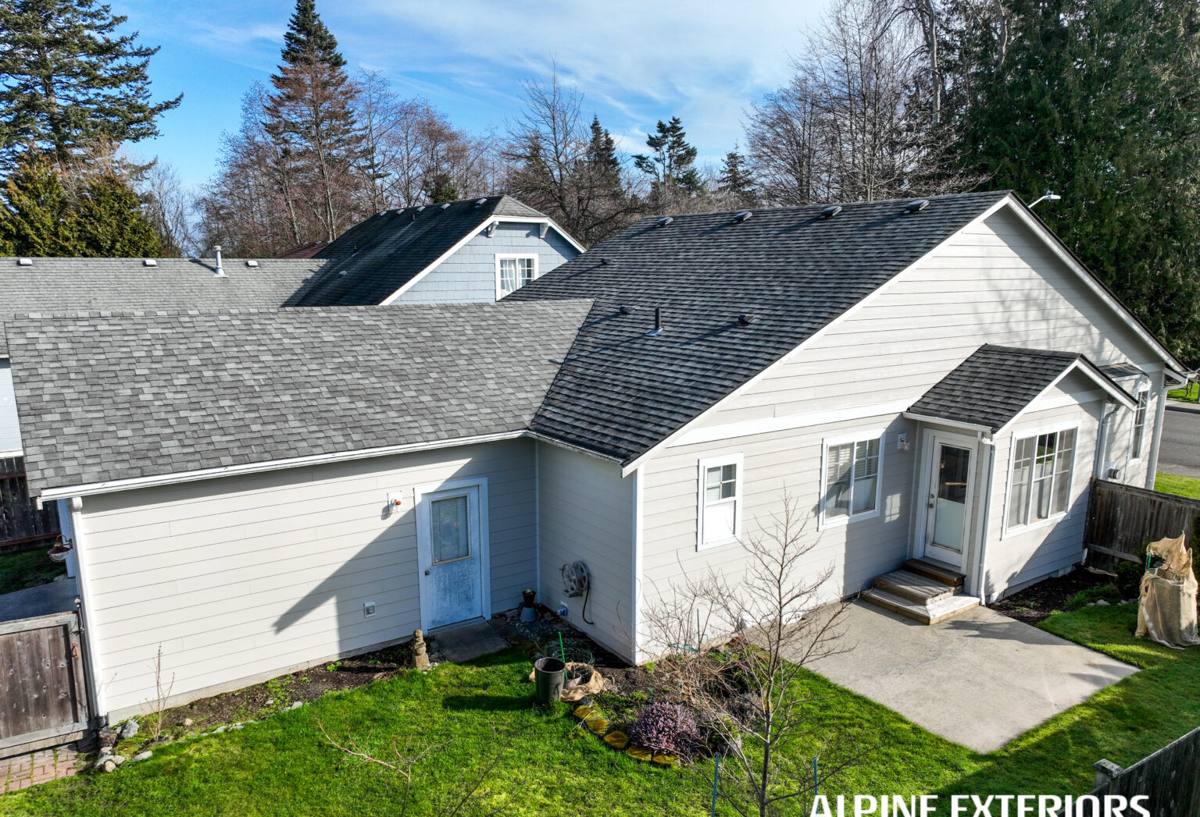
What a Correctly Installed Shingle Roof Needs on a Barrier Island
Wind Rating and Fastening
Florida Building Code sets minimum wind-resistance requirements for roofing in coastal Pinellas County, and those requirements exist for a reason. The right shingle for this area carries a wind rating suited to the local exposure category, and just as important, it has to be fastened correctly — proper nail count, proper nail placement within the shingle's nailing zone, and a hand-nailed or correctly calibrated pneumatic setup rather than a rushed high-speed pass. A shingle that's rated for high wind but under-nailed will still fail early. We follow manufacturer nailing specs to the letter because that's what preserves both the wind performance and the warranty.
Underlayment: The Layer That Actually Keeps Water Out
Shingles shed the bulk of the water, but the underlayment beneath them is the real waterproofing layer, and it matters more on a coastal roof than almost anywhere else in the house. Wind-driven rain during a tropical storm or a strong summer squall can push water sideways and under shingle tabs, especially near ridges, valleys, and roof-to-wall transitions. We use synthetic or self-adhering underlayment at vulnerable areas — valleys, eaves, penetrations, and sidewalls — so that if wind ever does get water past the shingles themselves, the deck stays dry.
Attic Ventilation
Intense year-round Florida sun turns an unventilated attic into an oven, and that heat works both directions: it shortens the life of the shingles from underneath and it drives up cooling costs inside the house. A correctly built roof system balances intake vents at the eaves with exhaust at the ridge so heat and moisture actually move out instead of sitting trapped against the underside of the roof deck.
Signs an Indian Rocks Beach Roof Needs Attention
Salt air and sun exposure don't always announce themselves with an obvious leak. Often the warning signs show up gradually, and homeowners get used to seeing them without realizing what they mean. Worth checking for, or having a professional check for, on any coastal Pinellas County shingle roof:
- Granules collecting in gutters or at downspout outlets — a sign the shingle surface is wearing down
- Shingle edges or tabs that look curled, cupped, or lifted, especially on the side of the roof facing prevailing wind
- Streaking or dark staining, which is usually algae growth rather than dirt, and spreads faster in humid coastal air
- Corroded, rusted, or loose nail heads and flashing around vents, chimneys, and roof-to-wall joints
- Soft spots or sagging when walked on, which points to deck moisture beneath the shingles
- Cracked or missing ridge cap shingles, since the ridge takes the most direct wind load on the roof
- Daylight visible through the attic decking, or water stains on interior ceilings after heavy rain
Any one of these on its own may not mean a full replacement is due. But on a barrier island roof, small issues compound faster than they would inland, so catching them early is what keeps a repair a repair instead of turning it into a replacement.
Shingle Options for Coastal Pinellas County
Not every asphalt shingle product is built the same, and the differences matter more here than in a lot of markets. The table below compares the general categories homeowners in this area typically weigh against each other.
| Shingle Type | Wind Performance | Algae Resistance | Best Fit |
|---|---|---|---|
| Standard 3-tab | Lower wind rating, fewer nailing points | Varies by product line | Budget-conscious inland re-roofs, not our first recommendation this close to the Gulf |
| Architectural (laminated) | Higher wind rating, more surface for fastening and adhesive sealing | Available with algae-resistant granules | Most Indian Rocks Beach homes — better wind and weathering performance for the added cost |
| Impact-rated (Class 3 / Class 4) | Built to resist wind-borne debris impact in addition to wind uplift | Available with algae-resistant granules | Higher exposure locations, or homeowners prioritizing insurance premium credits |
We'll walk through which category makes sense for a specific roof, its exposure, and the homeowner's priorities — some people want the longest possible service life and are willing to pay for it up front, others are working within a tighter budget and want the best value within it. Either way, the goal is a roof rated and installed for what Indian Rocks Beach actually throws at it, not a generic spec.
Our Process, Start to Finish
- On-site inspection. We look at the existing roof, deck condition, ventilation, and any problem areas before recommending anything — repair or replacement.
- Honest estimate. We explain what's actually needed and why, including material options and what drives the cost difference between them.
- Tear-off and deck check. Old roofing comes off down to the deck, and we inspect the plywood or OSB underneath for soft spots or water damage before anything new goes on.
- Underlayment and flashing. Synthetic or self-adhering underlayment goes down first, with new flashing at valleys, walls, and penetrations rather than reusing old, corroded pieces.
- Shingle installation. Installed to manufacturer nailing specs for the wind rating being installed, with attention to starter strips, ridge caps, and proper overlap at valleys.
- Ventilation check. Intake and exhaust ventilation confirmed or corrected so the finished roof system can actually breathe.
- Cleanup and walkthrough. Site cleared of debris and nails with a magnetic sweep, and we walk the finished roof with the homeowner.
Why a Crew That Already Works Indian Rocks Beach Matters
Permitting and Local Requirements
Roofing permits and inspections for Indian Rocks Beach go through the applicable local building department, and coastal Pinellas County properties often carry additional considerations — flood zone designations, wind mitigation documentation for insurance, and in some cases barrier-island-specific building requirements. A crew that pulls permits in this area regularly knows what's expected and doesn't lose time on avoidable back-and-forth.
Access and Logistics on a Barrier Island
Indian Rocks Beach properties are often on narrow lots, tight streets, or lots with limited staging space compared to a typical inland subdivision. Knowing how to stage material delivery, dumpster placement, and crew access on these lots before the job starts — rather than figuring it out on day one — keeps a project moving and keeps disruption to neighbors to a minimum.
Understanding the Exposure
A crew that has worked a number of roofs specifically in this pocket of the coast has a feel for which parts of a given roof take the worst of the wind and salt exposure, and adjusts the install accordingly — extra attention at ridges, valleys, and the windward roof plane isn't guesswork, it's pattern recognition from doing the work here repeatedly.
Maintenance and Realistic Lifespan in Salt Air
Even a well-installed shingle roof in this environment benefits from periodic attention rather than being ignored until there's a leak. A simple annual check — clearing debris from valleys and gutters, confirming flashing and sealant around penetrations are still sound, and looking for any lifted or missing shingles after storm season — catches small problems while they're still cheap to fix. Salt air and UV exposure mean a shingle roof on Indian Rocks Beach will generally sit toward the shorter end of a given product's rated lifespan compared to the same product installed well inland, which is exactly why material choice and installation quality matter more here, not less.
Cost Factors to Expect
We don't publish blanket prices because every roof is different, but the factors that actually move the number are consistent. Understanding them ahead of time makes for a more useful estimate conversation.
| Factor | Why It Affects Cost |
|---|---|
| Roof size and pitch | More square footage and steeper pitches mean more material and labor time |
| Deck condition | Rotten or soft decking found during tear-off has to be replaced before new roofing goes on |
| Shingle category | Standard, architectural, and impact-rated products carry different material costs |
| Number of valleys, penetrations, and roof planes | More flashing, cutting, and detail work adds labor |
| Ventilation upgrades needed | Adding or correcting intake/exhaust venting is sometimes needed to meet code or manufacturer requirements |
| Access and staging | Tight barrier-island lots can affect equipment and material staging |
If you're weighing a repair against a full replacement on an Indian Rocks Beach home, or just want a straight answer on what condition your roof is actually in, we're happy to take a look. The estimate is free, there's no pressure attached to it, and you can use the form below to get started.