 Largo Siding
 Siding Built for a Barrier Island Address
Redington Beach sits close enough to the Gulf that salt air, humidity, and wind aren't occasional weather events — they're the daily operating conditions your siding has to survive. Homes here take a different kind of beating than a house ten miles inland in Largo proper. The combination of airborne salt, intense sun exposure, and wind-driven rain off the Gulf accelerates wear on almost every exterior material, and siding is usually the first thing to show it.
We install James Hardie fiber cement siding exclusively, and on barrier island and near-coastal properties like Redington Beach, that decision matters even more than it does elsewhere in our Pinellas County service area. This page walks through what local homes actually need from their siding, what a correct installation looks like in this specific environment, and why the details of who installs it matter as much as what gets installed.
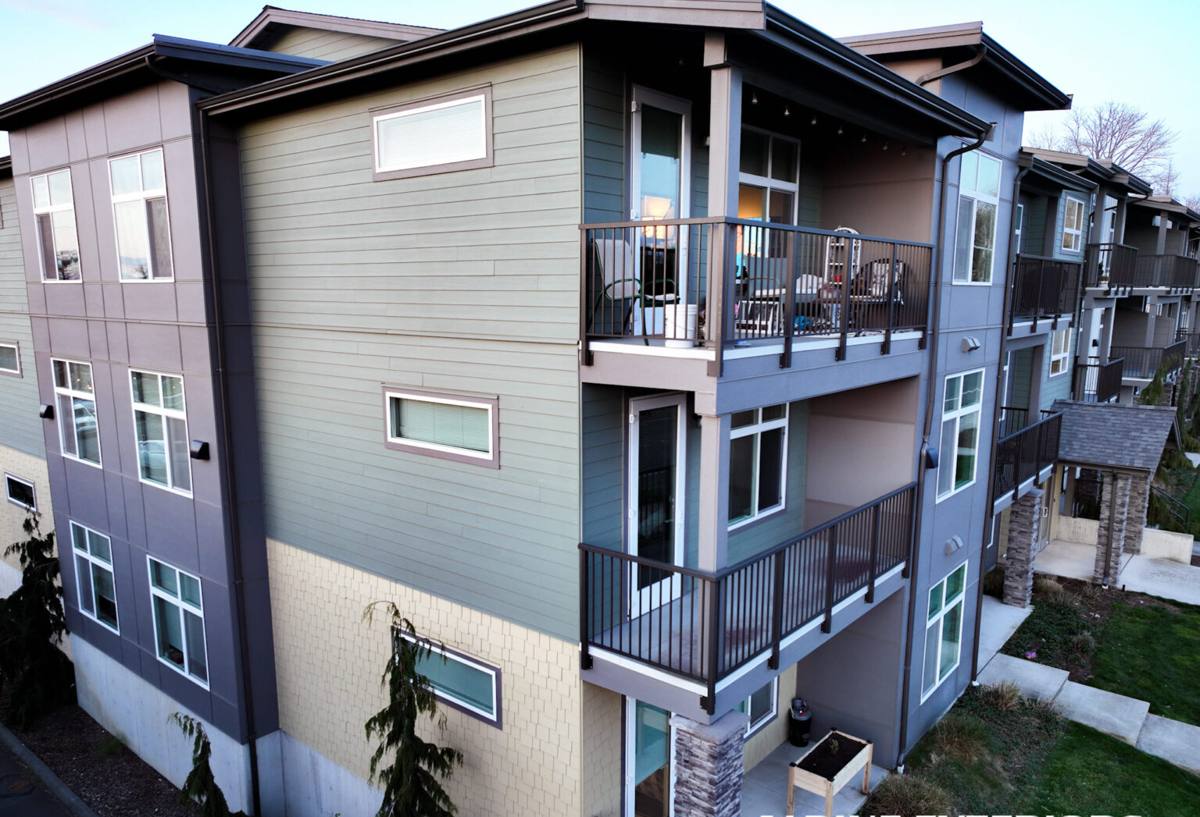
What Redington Beach's Climate Does to Siding
Salt Air and Corrosion
Airborne salt from the Gulf settles on every exterior surface, including siding, trim, and fasteners. Over years, salt exposure degrades poorly protected materials, corrodes exposed metal fasteners, and can accelerate the breakdown of finishes that weren't engineered to handle it. This is one of the main reasons fastener choice and finish quality matter more here than in a typical suburban installation.
Year-Round UV Exposure
Florida sun doesn't take a season off, and a Gulf-front or near-Gulf property gets more direct exposure than a shaded inland lot. UV breaks down pigments and surface coatings over time, which is why factory-applied, baked-on finishes hold up better long-term than site-applied paint that has to be reapplied as it fades and chalks.
Wind-Driven Rain
Rain that comes in sideways during Gulf storms tests the water-management details behind the siding — the house wrap, flashing, and gaps that let water drain instead of collecting — as much as it tests the siding material itself. Materials that absorb and hold moisture are more vulnerable to this pattern than materials engineered to resist it.
Hurricane-Force Wind
Pinellas County's coastal properties are built and inspected against hurricane wind-load requirements, and siding is part of that system. Fastening pattern, panel engagement, and manufacturer wind-rating all factor into whether siding stays attached during a real wind event, not just a summer thunderstorm.
Why We Only Install James Hardie in This Area
We don't install vinyl siding, LP SmartSide, Cemplank, Allura, or primed wood products, and that standard applies everywhere we work — but it's especially relevant on a barrier island. Vinyl can soften, warp, or become brittle under sustained heat and UV, and it offers little resistance to wind-driven debris. Wood-based composite products depend on their edge sealing and moisture protection holding up perfectly over time; in a high-humidity, high-salt environment, any breach in that protection tends to show up faster than it would inland.
James Hardie fiber cement is non-combustible, doesn't rot, and isn't a food source for pests — none of which are affected by salt air. Its ColorPlus factory finish is baked on under controlled conditions rather than applied on-site, which gives it more consistent UV and fade resistance than field-applied paint. Hardie also engineers specific HZ5 product lines for high-humidity, storm-exposed climates like ours, which is the version we specify for Redington Beach installations.
Fiber Cement vs. Common Alternatives — Coastal Performance
| Factor | James Hardie Fiber Cement | Vinyl | Wood/Composite (LP, primed wood) |
|---|---|---|---|
| Salt air resistance | Strong — cement composition doesn't corrode | Moderate — can chalk and become brittle over time | Depends entirely on intact sealing/paint |
| Wind resistance | Engineered HZ5 lines rated for high-wind zones | Lower impact and wind resistance | Varies by product and fastening |
| UV/fade resistance | Factory-baked ColorPlus finish | Can fade and chalk with sun exposure | Field-applied paint fades faster, needs recoating |
| Moisture/rot risk | Non-combustible, doesn't rot | Doesn't rot but can trap moisture behind panels if installed poorly | Vulnerable if edges/seals fail |
| Fire rating | Non-combustible | Combustible | Combustible |
What a Correct Installation Involves Here
Fiber cement siding is only as good as the installation behind it. On a coastal Pinellas County home, a handful of details matter more than they would on an inland job, and skipping them is where problems start even with the right material on the wall.
Water Management Before the Siding Goes Up
Before a single panel is hung, we address the water-resistive barrier, flashing around windows and doors, and drainage gaps that let any moisture that gets behind the siding drain back out instead of sitting against the wall assembly. Wind-driven rain finds every weak point, so this layer is not optional and not something that shows once the siding is on — it's inspected before we close it up.
Fastening for Wind and Corrosion Resistance
We fasten to Hardie's published specifications for our wind zone, using corrosion-resistant fasteners appropriate for near-coastal exposure. Under-fastened or improperly spaced panels are one of the most common causes of wind damage in storm events, and it's a mistake that's invisible until wind actually tests it.
Proper Clearances and Gaps
Fiber cement needs specific clearances from rooflines, decks, and grade, along with expansion gaps at joints and trim. Getting these wrong traps moisture against the material and undermines the product's long-term performance, regardless of how good the siding itself is.
HZ5 Product Selection
James Hardie makes climate-specific versions of its siding. We specify HZ5, engineered for high-humidity, hurricane-prone regions, for Redington Beach projects rather than a general-purpose version — this is a product-line decision, not an upgrade option, on a job this close to the Gulf.
Our Process for Redington Beach Projects
- On-site assessment — we look at your home's current siding, water-management layer, trim condition, and any problem areas specific to its exposure and orientation.
- Product and color selection — walking through Hardie's HZ5 lines, ColorPlus finish options, and trim profiles that fit your home.
- Tear-off and inspection — removing old siding and inspecting the sheathing and water barrier underneath for any hidden damage before we move forward.
- Water barrier and flashing work — correcting or replacing the drainage plane and flashing details before any new siding goes up.
- Installation to spec — fastening, clearances, and joint treatment per Hardie's requirements for our wind zone.
- Final walkthrough — checking trim, caulking, and finish work with you before we call the job done.
Why Local Experience in This Specific Area Matters
A crew that regularly works Redington Beach and the surrounding Gulf-front communities has already seen how salt air, sun, and storm exposure act on siding here over time — which trim details fail first, which orientations take the worst UV, where wind-driven rain tends to find a gap. That's different knowledge than general Florida siding experience, and it shows up in the choices made on your specific job: fastener spec, product line, and water-management detailing aren't generic decisions, they're informed by what actually holds up a few blocks from the Gulf.
It also matters for permitting and inspection. Coastal Pinellas County properties often have wind-load and permitting requirements tied to their location, and a crew familiar with local requirements moves through that process without surprises.
What to Ask Before Hiring Anyone for This Job
- Do they install a specific manufacturer's system to spec, or mix and match products by job?
- Can they explain the difference between standard and HZ5 (high-humidity zone) Hardie products?
- Do they inspect and address the water-resistive barrier and flashing, or just install over what's there?
- Do they follow the manufacturer's published fastening schedule for your wind zone?
- Have they worked on Gulf-front or near-coastal properties before, specifically?
- Is the warranty backed by the manufacturer and transferable if you sell the home?
Maintenance Expectations After Installation
One advantage of fiber cement with a factory finish is how little upkeep it needs compared to site-painted materials, but "low maintenance" isn't "no maintenance," especially this close to the Gulf. A periodic rinse to clear salt residue, an annual look at caulking and trim joints, and prompt attention to any impact damage go a long way toward getting the full lifespan out of the material. We're happy to walk through what a reasonable maintenance routine looks like for your specific home during the estimate.
Get a Straightforward Estimate
If your Redington Beach home's siding is showing its age — fading, cracking, soft spots, or storm damage — we'll come take a look and give you a straightforward assessment of what it needs, with no pressure to sign anything on the spot. Reach out using the form below to schedule a free estimate.