 Largo Siding
 Windows Built for What Palm Harbor Weather Actually Does
Palm Harbor sits close enough to the Gulf that salt air, wind-driven rain, and intense UV exposure are a daily fact of life for every window on your house, not just the ones facing the water. Add in the summer heat load that runs a Pinellas County air conditioner nearly year-round, and it's easy to see why old, single-pane or poorly sealed windows quietly become one of the biggest energy drains in a home. Replacing them with properly rated, correctly installed energy-efficient windows is one of the few upgrades that pays you back every single month on your electric bill while also toughening up the house against the next tropical storm or hurricane.
This page covers what energy-efficient windows actually need to do in this climate, what separates a correct installation from a sloppy one, and how we approach the job for homeowners in Palm Harbor and the surrounding Largo area.
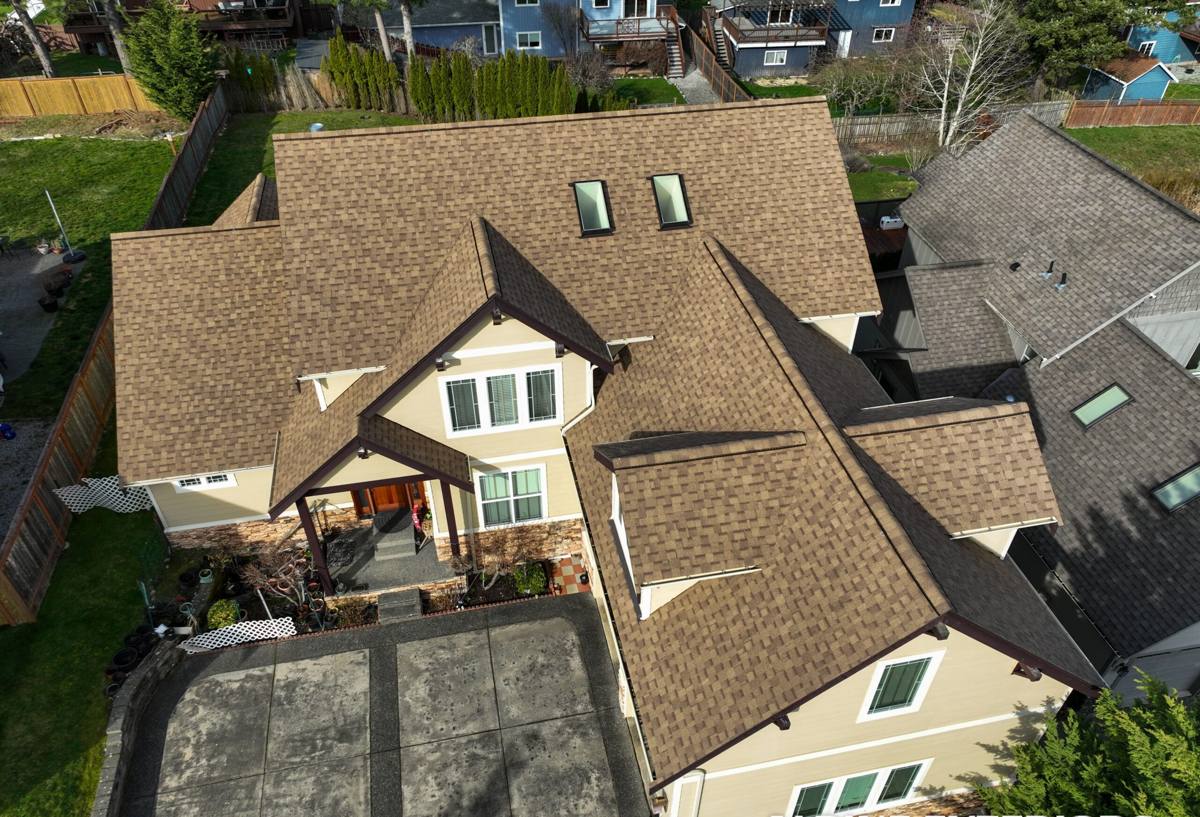
What "Energy-Efficient" Really Means on a Florida Window
In a lot of parts of the country, energy-efficient windows are mostly about keeping heat in. In Florida, the job is reversed — the goal is keeping heat, humidity, and UV out while still letting the window survive wind-driven rain and storm-force gusts. That means a few technical ratings actually matter when you're comparing window quotes:
- U-Factor — how much heat transfers through the window. Lower is better for keeping outdoor heat from soaking into the house.
- SHGC (Solar Heat Gain Coefficient) — how much solar radiation passes through the glass. In Palm Harbor's sun exposure, a lower SHGC keeps rooms noticeably cooler and eases the load on your AC.
- Low-E coatings — a microscopically thin coating that blocks a large share of UV and infrared without darkening the glass, which cuts fading on floors and furniture as much as it cuts your cooling bill.
- Air infiltration rating — how tightly the window seals when closed. A leaky seal lets in humid air, which is both an energy problem and a mold and mildew problem in a coastal climate.
Any window sold as "energy-efficient" should carry an NFRC (National Fenestration Rating Council) label listing these numbers. If a quote doesn't reference specific U-factor and SHGC values, you're not actually comparing apples to apples.
Signs Your Palm Harbor Home's Windows Are Working Against You
Most homeowners don't replace windows because one dramatically fails — they replace them because a slow accumulation of small problems finally adds up. Worth checking for:
- Rooms near windows that feel noticeably hotter than the rest of the house in the afternoon
- Condensation or fogging between double-pane glass (a sign the seal has failed)
- Windows that are difficult to open, close, or lock — frames can warp from years of heat cycling
- Visible daylight or a draft around the frame when the window is shut
- Chalky, pitted, or discolored aluminum frames from years of salt air exposure
- Rising cooling bills with no other explanation
- Fading carpet, flooring, or furniture near south- and west-facing windows
If more than one or two of these sound familiar, it's usually cheaper over a five-year window to replace than to keep patching.
Energy-Efficient vs. Impact-Rated: Do You Need Both?
These are two different specs that often get bundled together, and homeowners are frequently surprised to learn they're not the same thing. A window can be highly energy-efficient without being impact-rated, and vice versa — though for most Palm Harbor homes, we recommend specifying both.
| Feature | Energy-Efficient Focus | Impact-Rated Focus |
|---|---|---|
| Primary job | Reduce heat transfer and UV/solar gain | Resist wind-borne debris and pressure during storms |
| Glass construction | Insulated glass unit (IGU), Low-E coatings, gas fill | Laminated glass with an interlayer that holds the pane together if struck |
| Storm protection | None on its own | Meets Florida Building Code wind-borne debris requirements — often removes the need for separate shutters |
| Typical use case | Interior comfort and utility bills | Code compliance in coastal wind zones, insurance considerations |
| Best fit for Palm Harbor | Every window in the house | Windows on the storm-exposed sides, or the whole house where code requires it |
Many manufacturers now build laminated, impact-rated glass with the same Low-E coatings and gas fills used in standard energy-efficient units — so you're not necessarily choosing one benefit over the other. We'll go over what your specific home needs based on its wind exposure and existing protection (shutters, garage door rating, etc.) rather than upselling a single answer to every house.
What a Correct Installation Actually Involves
The window unit itself is only part of the performance equation. A high-end energy-efficient window installed with a poor seal or the wrong flashing will leak air, leak water, and lose most of its rated efficiency within a few years — which is a common problem we see when re-inspecting older installs around Pinellas County. Our process:
- On-site assessment — we measure existing openings, check for water damage or rot in the surrounding framing, and note sun exposure and wind zone for each elevation of the house.
- Product selection — we go over frame material, glass package, and impact rating options against your budget and priorities, with real U-factor and SHGC numbers, not vague marketing language.
- Removal and prep — old windows come out carefully to avoid damaging the rough opening, and we address any wood rot or moisture intrusion we find before anything new goes in.
- Flashing and sealing — proper flashing tape and sealant around the new frame is what actually keeps wind-driven rain out during a storm. This step gets skipped or rushed more than any other on bad installs.
- Installation and shimming — the unit is set plumb, level, and square, then shimmed and fastened per the manufacturer's specifications so the frame isn't under stress that can crack seals over time.
- Final seal and trim — interior and exterior trim, caulking, and a final inspection for smooth operation and a tight seal.
- Permit sign-off — where required, we coordinate inspection so the work is documented and code-compliant.
Frame Materials: What Holds Up on the Gulf Coast
Frame material affects both energy performance and how well the window survives years of salt air and UV. None of these are inherently "bad" — the right choice depends on budget, the look of the house, and how much upkeep you want to do.
| Material | Energy Performance | Coastal Durability | Maintenance |
|---|---|---|---|
| Vinyl | Very good insulator, common multi-chambered designs | Doesn't rust or corrode; UV-stable formulations resist yellowing | Low — occasional cleaning, no repainting |
| Aluminum | Conducts heat more readily unless thermally broken | Prone to pitting and corrosion from salt air over time | Moderate — benefits from periodic inspection of seals and finish |
| Fiberglass | Excellent, low thermal expansion | Very strong resistance to salt air and UV | Low, though a higher upfront cost |
| Wood/wood-clad | Good with proper glazing | Requires protection from moisture; not our first recommendation this close to the coast | Higher — periodic sealing or painting |
For most Palm Harbor homes, we steer people toward vinyl or fiberglass frames specifically because of how much lower the long-term maintenance burden is in a salt-air environment — it's a practical trade-off, not a knock on any manufacturer's product.
What Affects the Cost of a Window Replacement
Every home is different, but the main variables that move a quote up or down are consistent. As a broad range, homeowners in this area typically see installed costs somewhere in the neighborhood of $450–$900 per window for mid-grade impact-rated, energy-efficient units, with premium glass packages, oversized openings, or custom shapes running higher. We'll always give you a specific number for your house rather than a generic estimate.
| Cost Factor | Why It Matters |
|---|---|
| Impact rating | Laminated impact glass costs more than standard IGU glass but can reduce or eliminate the need for separate shutters |
| Frame material | Vinyl is generally the most budget-friendly; fiberglass and wood-clad run higher |
| Window size and count | Larger openings and whole-house replacements have per-unit efficiencies but a higher total project cost |
| Glass package | Low-E coatings, gas fill, and tinting options each add incremental cost and performance |
| Structural repair | Rotted framing or water damage found during removal adds labor and material before the new window goes in |
| Permitting | Pinellas County permit and inspection fees are part of a compliant installation |
Permits and Florida Building Code in Pinellas County
Window replacement in unincorporated Pinellas County and surrounding municipalities generally requires a permit, and the products used have to meet Florida Building Code wind and impact requirements for the property's specific wind zone. This isn't paperwork for its own sake — it's what confirms the windows going into your home were actually tested to handle the wind pressures this area sees, and it protects you if you ever file an insurance claim or sell the house. We handle the permitting and inspection coordination as part of the job so you're not stuck chasing down documentation later.
Why Hire a Crew That Already Works in Palm Harbor
Window installation looks straightforward from the outside, but the details that determine whether a window lasts fifteen years or fails in five are all local: knowing which wind zone your street falls in, how to flash an opening so it survives wind-driven rain instead of just heavy rain, and which frame materials actually hold up against Gulf Coast salt air instead of just looking good in a showroom. A crew that regularly works in and around Largo and Palm Harbor has already seen how different products perform here over time, not just in a manufacturer's brochure. That local track record is worth more than a slightly lower bid from a crew unfamiliar with the area's code requirements or climate demands.
If you're weighing whether to replace a few problem windows or handle the whole house at once, we're glad to walk through your specific situation and give you a straight answer — no pressure, no inflated urgency. Reach out for a free estimate and we'll take a look at what your home actually needs.