 Largo Siding
 Why Dunedin Homes Go Through Siding Faster Than Most
Dunedin sits on a stretch of Pinellas County coastline that takes a beating most homeowners inland never have to think about. The combination of wind-driven rain off the Gulf, near-constant UV exposure, salt-laden air, and the occasional direct hit from hurricane-force wind is exactly the kind of environment that exposes weak siding fast. Siding that would last two or three decades in a drier, cooler climate can start failing in half that time here if it wasn't rated for this kind of exposure or wasn't installed correctly to begin with.
We work on homes throughout Dunedin and the surrounding Largo area regularly, and the failure patterns are consistent: siding that cups and warps from repeated wet-dry cycling, seams that open up and let water behind the wall, paint and finish that chalks and fades years ahead of schedule, and fastener heads that streak with rust or corrosion from the salt air. None of that is bad luck — it's what happens when a siding product or installation wasn't built for a barrier-island-adjacent climate.
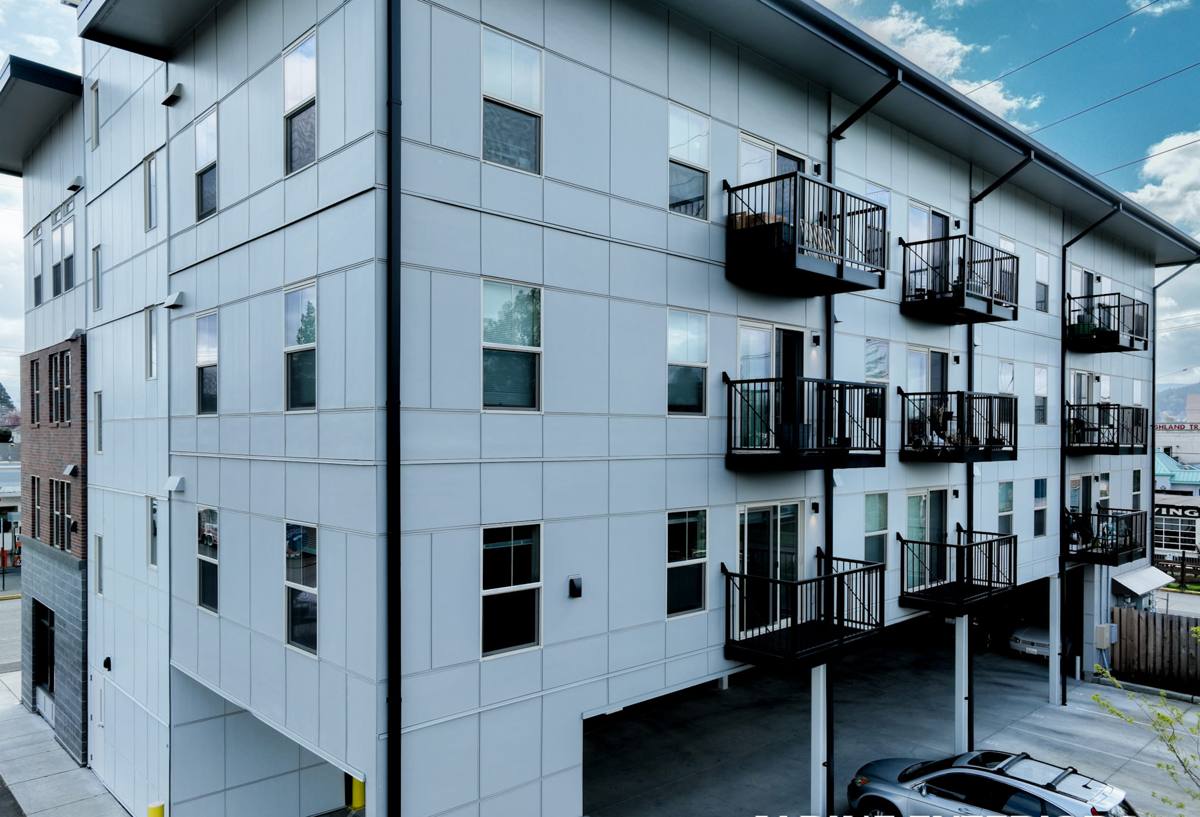
Signs a Dunedin Home Needs Siding Replacement, Not Another Patch
Not every issue means a full tear-off. But there's a point where patching individual boards or caulking over gaps just delays a bigger problem, and in a coastal climate that delay usually costs more in hidden moisture damage than it saves. Here's what we look for during an inspection to decide whether repair is realistic or replacement is the honest recommendation:
- Visible cracking, splitting, or warping across multiple sections rather than one isolated board
- Soft or spongy spots when you press on the siding, which usually means moisture has already reached the substrate
- Paint or finish that's peeling, bubbling, or chalking heavily within a few years of the last paint job
- Gaps opening up at seams, corners, or butt joints that weren't there when the siding was newer
- Streaking or rust stains running down from fastener heads
- Interior signs — soft drywall, musty smells, or discoloration on walls near exterior corners
- Visible insect activity or soft wood behind or around trim boards
- Noticeably higher cooling bills, which can point to compromised insulation behind failing siding
If you're seeing two or more of these at once, that's usually a sign the whole wall system needs attention, not just the board you can see.
What a Correct Siding Replacement Actually Involves
Siding replacement done right is not just removing old boards and nailing up new ones. In a climate like Dunedin's, what's happening behind the siding matters as much as what's visible from the street. A proper job includes:
Full Tear-Off and Substrate Inspection
We remove the old siding down to the sheathing so we can actually see what's underneath — rot, mold, compromised framing, or old moisture damage that's been hidden for years. Skipping this step and installing new siding over old problems just locks the damage in.
Repair Before Cover
Any soft or damaged sheathing gets replaced before anything new goes up. This is the step that gets skipped most often by crews trying to move fast, and it's the one that determines whether the new siding actually lasts.
Weather-Resistive Barrier
A correctly lapped and sealed water-resistive barrier goes down before the siding. In a wind-driven-rain environment, this layer is what keeps incidental water from ever reaching your framing, even if water gets past the siding itself during a storm.
Flashing at Every Penetration
Windows, doors, vents, hose bibs, light fixtures — every penetration through the wall plane needs proper flashing and sealant detailing. This is where most real-world leaks originate, not through the siding field itself.
Correct Fastening for Wind Zone
Pinellas County's wind exposure and hurricane risk mean fastener type, spacing, and placement need to match the manufacturer's high-wind installation instructions, not the generic ones. This affects whether siding stays attached in a major wind event.
Why We Only Install James Hardie Fiber Cement
We made a deliberate decision to standardize on James Hardie fiber cement siding and stop installing vinyl, LP SmartSide, or other engineered wood products — even though we could sell and install any of them. The reasoning comes down to how each material actually performs against sun, salt, and storm exposure over time, not marketing.
| Factor | Vinyl Siding | Engineered Wood (LP-Type) | James Hardie Fiber Cement |
|---|---|---|---|
| UV / Fade Resistance | Fades and becomes brittle under intense, year-round sun | Finish can degrade if moisture gets past the coating | ColorPlus finish engineered for UV and coastal sun exposure |
| Wind Rating Potential | Can crack or blow off panels in high wind if not perfectly installed | Holds up well when installed and sealed correctly | Rated and tested for high-wind installation methods |
| Moisture / Rot Risk | Doesn't rot, but traps moisture behind it if installed poorly | Vulnerable if edges or cuts aren't sealed properly | Non-combustible and dimensionally stable; resists moisture-driven swelling |
| Salt Air Durability | Can become chalky and brittle faster near the coast | Coating can wear thin faster in salt-air exposure | Built for coastal climate zones with HZ5 formulation |
| Combustibility | Combustible | Combustible | Non-combustible |
None of these other products are bad in every application — they simply carry trade-offs in maintenance, moisture sensitivity, or long-term appearance that we're not willing to install and stand behind on homes exposed to this much sun, salt, and storm activity. James Hardie fiber cement gives us a product with a factory-baked finish, a wind-rated installation system, and a transferable warranty we're comfortable putting our name on.
Choosing the Right Hardie Product Line for Dunedin
James Hardie makes several product lines, and picking the right one matters as much as the installation itself.
HardiePlank Lap Siding
The most common choice for Dunedin homes — available in multiple textures and exposures, engineered in the HZ5 formulation built specifically for humid, storm-exposed climates like ours.
HardieShingle
Used for accent areas, gables, or full shingle-style homes where a coastal, textured look is preferred over straight lap lines.
HardiePanel with Battens
A vertical, board-and-batten style option often used on modern coastal designs or as an accent alongside lap siding.
ColorPlus factory-applied finishes are worth prioritizing over field-painted siding whenever the budget allows — the factory finish is baked on and tested for UV and coastal exposure, which typically holds color longer than a job-site paint application in this climate.
Our Process, Start to Finish
- On-site inspection — we assess your current siding, sheathing condition, trim, and any moisture issues before quoting anything.
- Honest scope and estimate — you get a clear breakdown of what's being replaced and why, not a vague lump-sum number.
- Tear-off and substrate repair — old siding comes off, damaged sheathing gets replaced, and the wall is inspected before anything new goes up.
- Barrier and flashing installation — weather-resistive barrier and flashing details go in at every penetration point.
- Hardie installation to manufacturer and high-wind spec — correct fastening, spacing, and clearances for our wind zone.
- Trim, caulking, and finish detailing — the details that keep water out for the long haul.
- Final walkthrough — we go over the finished job with you before calling it complete.
Cost Factors for a Dunedin Siding Replacement
We don't quote pricing without seeing the home, but these are the main variables that move a project up or down in scope and cost:
| Factor | Why It Matters |
|---|---|
| Home size and wall complexity | More corners, gables, and dormers mean more cutting, flashing, and labor time |
| Substrate condition | Rotted sheathing found during tear-off adds repair work before new siding can go up |
| Existing layers | Removing an old layer of siding versus installing over a single layer changes labor and disposal costs |
| Product line and finish | Factory ColorPlus finishes typically cost more upfront than field-painted siding but reduce repainting frequency |
| Trim and accessory work | Fascia, soffits, and window trim replacement alongside siding adds scope but avoids mismatched future repairs |
| Access and site conditions | Landscaping, fencing, or multi-story sections can affect equipment and labor time |
Most Dunedin homeowners find that spending a bit more upfront on correct substrate repair and a factory-finished product costs less over ten to twenty years than a cheaper installation that needs premature repainting or repair.
Why Local Experience in Dunedin and Largo Matters
A crew that only occasionally works this stretch of Pinellas County can miss things that matter here — how far a home sits from the water, how much salt exposure a north- versus south-facing wall actually sees, or which wind-rated fastening schedule applies under current code. Crews who work Dunedin and Largo regularly already know these details going in, which means fewer surprises during the job and a better chance the finished siding actually performs the way it's rated to over the next twenty-plus years.
Caring for Hardie Siding After Installation
Fiber cement is low-maintenance compared to wood or vinyl, but it's not zero-maintenance, especially this close to the coast. A simple annual routine goes a long way:
- Rinse siding with a garden hose once or twice a year to clear salt residue and airborne grime
- Inspect and refresh caulking at trim joints and penetrations every couple of years
- Keep sprinklers and irrigation from spraying directly on siding long-term
- Trim back landscaping that traps moisture against the wall
- Have a professional check flashing and seams after any major storm
If your siding is showing wear, or you just want an honest read on whether repair or replacement makes sense for your Dunedin home, we're happy to take a look. Estimates are free, there's no pressure, and you'll get a straight answer either way — just fill out the form below to get started.