 Largo Siding
 New Roof Installation Built for Dunedin's Climate
Dunedin sits on the Pinellas County coastline, which means every roof in the area is doing double duty. It has to shed heavy, wind-driven rain during summer storms, survive the periodic threat of hurricane-force winds, and hold up under some of the most intense year-round UV exposure in the country. Add in the salt air drifting off the Gulf and St. Joseph Sound, and you have a climate that ages roofing materials faster than almost anywhere else in Florida. A new roof installed here isn't just about covering the house — it's about choosing materials and installation methods that are actually matched to what Dunedin throws at them.
We're a Largo-based crew, and Dunedin is part of our regular service area. That matters more than most homeowners realize when it comes to roofing, and we'll explain why later in this page. First, let's talk about what a correct roof installation actually looks like in this part of Pinellas County.
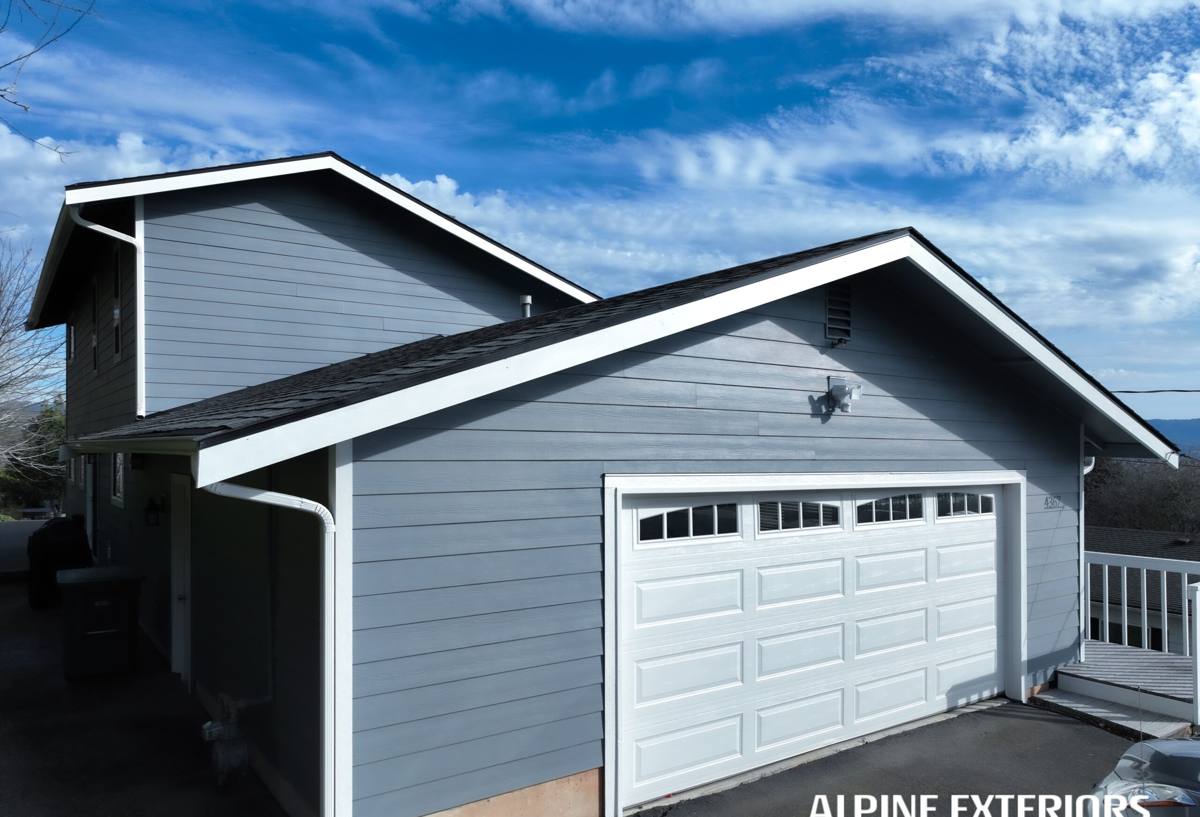
What Dunedin Homes Need From a Roof
Wind Resistance
Florida's building code has tightened considerably over the past two decades, and for good reason. A roof system isn't just shingles or tiles sitting on plywood — it's a layered assembly of deck attachment, underlayment, and fastening patterns that all work together to resist uplift. In wind events, the failure point is rarely the roofing material itself. It's usually a weak connection somewhere underneath: under-fastened decking, poorly lapped underlayment, or shortcuts in the nailing pattern. A correctly installed roof in Dunedin should meet or exceed current Florida Building Code wind requirements for our wind-borne debris region, not just the bare minimum a permit will pass.
UV and Heat Durability
Central Florida sun is relentless. Asphalt shingles, tile underlayment, and even metal coatings degrade under prolonged UV exposure, and the rate of that degradation depends heavily on product quality and proper attic ventilation. A roof that traps heat will cook its own underlayment from below just as fast as the sun bakes it from above. Ventilation isn't an afterthought — it's part of what determines whether a roof reaches its expected lifespan or falls short of it.
Water Management
Afternoon thunderstorms here often come in sideways. Wind-driven rain finds its way into roofs through weak points that would never leak in a calmer climate: poorly sealed penetrations, undersized or clogged valleys, and underlayment that isn't rated for the wind-driven conditions we actually get. Flashing details around chimneys, skylights, and wall transitions matter more here than in drier, calmer parts of the country.
Corrosion Resistance
Dunedin's proximity to the water means salt air is a real factor, even a few miles inland. Fasteners, flashing, and any exposed metal components should be rated for coastal exposure. Standard galvanized fasteners can corrode faster near the coast than inland, which is why material selection for even the "small" components of a roof system deserves attention.
What a Correct Roof Installation Involves
A roof replacement is more than swapping old material for new. Done right, it includes:
- Full tear-off and inspection of the roof deck — not just a re-cover over old material
- Repair or replacement of any deteriorated or delaminated decking before new material goes down
- Proper deck fastening to current Florida Building Code wind-uplift standards
- A wind- and water-rated underlayment system, self-adhered at valleys and vulnerable areas
- Correctly lapped and sealed flashing at every penetration, wall transition, and valley
- Balanced intake and exhaust ventilation sized to the attic volume, not guessed at
- Coastal-rated fasteners and metal components where corrosion exposure warrants it
- A final inspection that checks the whole system, not just how the finished roof looks from the ground
Skipping any one of these steps doesn't always show up right away. It shows up two, five, or ten years later, usually during the first serious storm or heat wave that tests the weak point. That's the trouble with roofing shortcuts — they're invisible until they aren't.
Roofing Material Options for Dunedin Homes
There's no single "best" roofing material for every Dunedin home — it depends on the roof's slope, the home's structure, budget, and how long you want to go before your next replacement. Here's an honest comparison of the main options we install:
| Material | Typical Lifespan (Coastal FL) | Wind Performance | Maintenance |
|---|---|---|---|
| Architectural asphalt shingle | 18–25 years | Good, when rated and installed correctly | Low to moderate |
| Standing seam metal | 35–50 years | Excellent | Low |
| Concrete tile | 30–50 years | Excellent when properly fastened | Moderate — underlayment fails before tile does |
| 3-tab asphalt shingle | 12–18 years | Fair — lower wind rating than architectural | Low |
We'll talk through the trade-offs honestly during your estimate — including the fact that with tile roofs, the underlayment beneath the tile typically wears out well before the tile itself does, which is a maintenance reality worth planning around rather than a defect in the product.
Signs Your Dunedin Roof Needs Replacing, Not Repairing
Not every roofing problem calls for full replacement, but there's a point where repairs stop making financial sense. Signs it's time to talk replacement rather than another patch:
- Granule loss heavy enough that shingles look patchy or bald in sections
- Curling, cracking, or cupped shingles across multiple areas of the roof, not just one spot
- Soft spots in the decking when walked on, indicating water has reached the wood
- Repeated leaks in different locations after previous repairs
- Visible daylight through the attic decking or widespread staining on attic wood
- A roof approaching or past the manufacturer's rated lifespan, especially after a strong storm season
If you're only seeing one or two of these, a repair might genuinely be the right call — we'll tell you that if it's true, even though a repair is a smaller job for us than a replacement.
Our Installation Process
1. On-Site Evaluation
We inspect the existing roof, deck condition, ventilation, and any problem areas specific to your home before recommending anything.
2. Straightforward Estimate
You get a clear written scope and price — what material, what underlayment, what fastening standard, and why, so you're not guessing what you're paying for.
3. Permitting
Roof replacements in Pinellas County require a permit and inspection. We handle that process so the work is documented and code-compliant, which also matters for insurance and future resale.
4. Tear-Off and Deck Inspection
Old material comes off completely so we can actually see the deck and fix anything compromised before new material goes down — not covered up.
5. Installation
Underlayment, flashing, ventilation, and final roofing material go on in that order, to code or better, with attention to the coastal-specific details discussed above.
6. Final Walkthrough and Inspection
We walk the finished roof with you, and the county inspection confirms the work meets code before the job is considered closed.
Why a Local Largo Crew Matters for Dunedin
Roofing crews that don't regularly work this part of Pinellas County can miss things that are second nature to a local crew — how the wind patterns off the Sound affect certain roof orientations, which fastening and underlayment specs actually hold up here versus just meeting the code minimum, and what permitting and inspection expectations look like with Pinellas County specifically. We work Largo, Dunedin, and the surrounding communities regularly, which means we're not learning the local conditions on your roof — we already know them going in. It also means if a warranty question or follow-up ever comes up, we're not a crew that drove in from three counties away and won't be back.
What Affects Your Roof Replacement Cost
| Factor | Why It Matters |
|---|---|
| Roof size and complexity | More valleys, hips, and penetrations mean more labor and material for flashing detail |
| Material choice | Asphalt, metal, and tile carry very different material and labor costs |
| Deck condition | Rotted or delaminated decking found during tear-off adds repair cost, but skipping it isn't an option |
| Ventilation upgrades | Older homes often need added intake or exhaust vents to meet proper attic airflow |
| Roof pitch and access | Steeper or harder-to-access roofs require more time and safety setup |
We don't publish blanket pricing because these variables genuinely change the number — but we'll walk you through exactly what's driving your quote so there are no surprises.
Get a Straight Answer About Your Roof
Whether your Dunedin home needs a full replacement now or you just want an honest read on how much life is left in your current roof, we're glad to take a look. There's no pressure and no sales script — just a clear assessment from a crew that already works this area. Use the form below to request a free estimate.