 Largo Siding
 Why Dunedin Decks Wear Out Faster Than You'd Expect
Dunedin sits close enough to the Gulf that salt-laden air reaches every deck in the area, whether it's a block from the water or further inland near Largo. That salt air works into fasteners, connectors, and any exposed metal, and it doesn't take long before rust starts weakening the hardware holding your deck together. Add in Pinellas County's humidity, near-daily summer thunderstorms, and the kind of sideways wind-driven rain that finds its way into every joint and seam, and you've got a structure that's under constant attack even when nothing looks visibly wrong.
Then there's the sun. Florida's UV exposure is intense and year-round, not seasonal, so wood decking dries out, cracks, and grays faster here than in most parts of the country. Composite boards fade and can become brittle at the surface if they weren't installed or maintained correctly. And when hurricane season brings sustained high winds, any deck with loose ledger connections, undersized joist hangers, or corroded fasteners is at real risk of a much bigger failure than a few soft boards.
None of this means Dunedin homeowners are stuck replacing decks constantly — it means repairs have to account for this environment specifically, not just patch what's visibly broken.
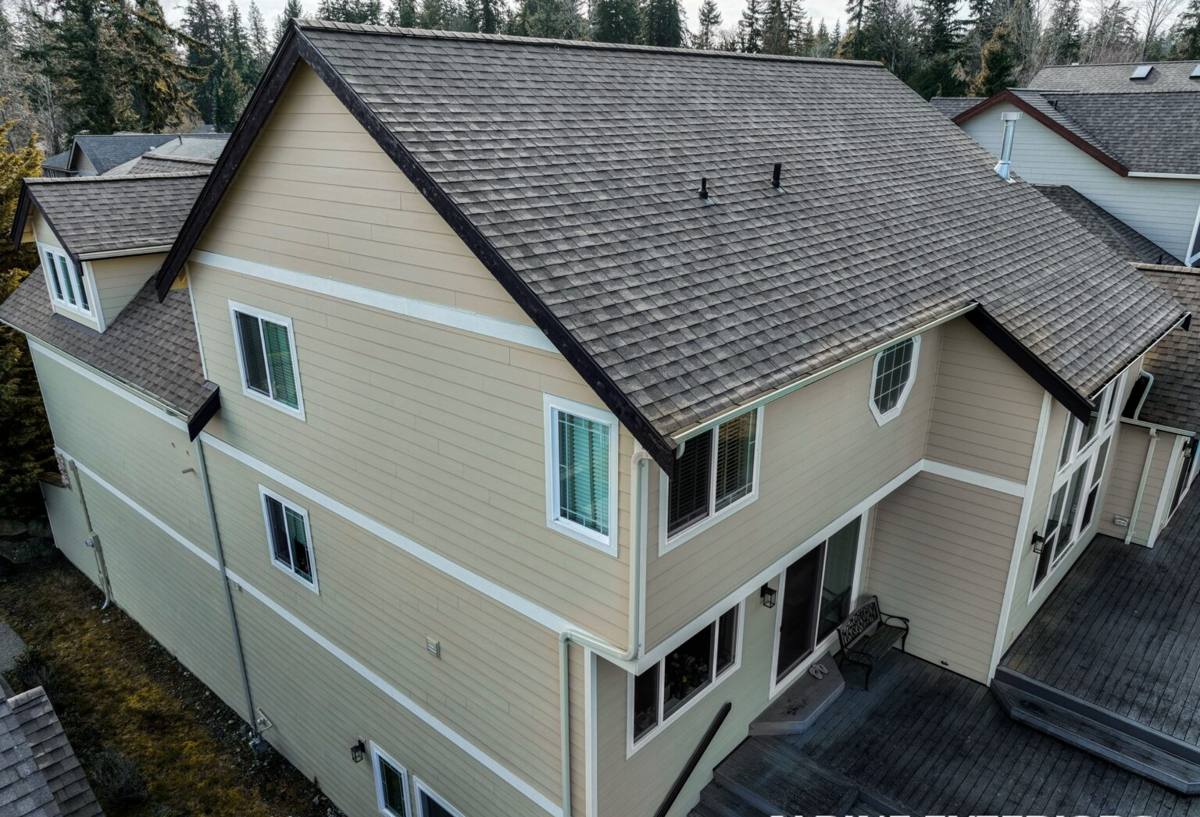
Signs Your Deck Needs Repair Work
Most deck problems start small and stay hidden until someone steps in the wrong spot or a board finally gives way. Catching these early is the difference between a repair job and a full rebuild.
Wood Deck Warning Signs
- Soft or spongy spots when you walk across the deck
- Boards that have cupped, split, or pulled away from fasteners
- Rust streaks running down from screw heads or bolts
- Wobble or movement where the deck attaches to the house (the ledger board)
- Visible gaps opening up between the deck and the house wall
- Railings that flex or feel loose when leaned on
Composite Deck Warning Signs
Composite decking doesn't rot the way wood does, but it isn't maintenance-free. Watch for fastener heads popping up through the board surface, discoloration or staining that won't clean off, and any softness at butt joints where two boards meet — that's usually a sign moisture got underneath rather than a problem with the board material itself.
Structural Repairs vs. Cosmetic Fixes
A deck repair worth doing starts underneath, not on the surface. Replacing a few gray boards on top of a deck with a compromised ledger connection or rotted joists just hides the real problem — and in a region that sees hurricane-force gusts, that's the kind of shortcut that turns into a safety issue.
What We Check Before Touching a Single Board
Ledger board attachment (where the deck bolts to the house), joist condition, post and footing stability, and the condition of every structural connector are checked first. In our experience, a deck that "just needs new decking boards" often has a ledger connection that's been slowly failing behind the scenes, especially on older decks built before current attachment standards were common in this area.
Cosmetic and Surface Repairs
Once the structure is sound, surface-level work — replacing individual boards, resetting popped fasteners, re-sanding and refinishing wood, fixing railing wobble — is straightforward and usually the smaller part of the job by cost and time.
Repair or Replace? Weighing the Real Cost Factors
Not every deck problem calls for a full rebuild, but not every deck is worth repairing either. Here's how we help Dunedin homeowners think through it.
| Factor | Leans Toward Repair | Leans Toward Replacement |
|---|---|---|
| Structural frame condition | Joists and ledger are sound; issue is isolated | Widespread rot, corrosion, or undersized original framing |
| Age of the deck | Under 10-15 years, built to a reasonable standard | Older deck, unknown or outdated construction methods |
| Extent of damage | A handful of boards or one section affected | Damage spread across most of the deck surface |
| Fastener/hardware condition | Hardware is intact, just a few loose spots | Widespread rust or corrosion on connectors and bolts |
| Budget goals | Lower upfront cost, extends useful life | Higher upfront cost, resets the clock and can upgrade materials |
Cost for repair work varies widely depending on scope — a few board replacements and hardware upgrades is a modest job, while ledger or framing repairs cost more because of the labor and access involved. We give you the honest number after we've actually looked at what's underneath, not before.
What a Correct Deck Repair Involves
Fasteners and Hardware Built for This Climate
This is where a lot of deck repairs go wrong in coastal Florida. Standard fasteners corrode fast in salt air, and once a screw or bolt starts rusting, it loses grip strength long before it looks obviously bad. We use fasteners and structural connectors rated for coastal and treated-lumber exposure — that's a small cost difference on a repair, but it's the difference between a fix that holds up and one you're redoing in a few years.
Proper Flashing and Water Management
Most ledger board failures trace back to water getting trapped between the deck and the house instead of draining away. Correct flashing at that connection point is non-negotiable on any repair that touches the ledger — skipping it just guarantees the same failure comes back.
Matching Materials Correctly
Whether we're sistering a new joist alongside a compromised one or replacing boards, the goal is a repair that behaves the same way structurally and visually as the surrounding material — not a patch that moves differently in heat and moisture and creates a new weak point.
Our Deck Repair Process
- On-site inspection: We check the frame, ledger connection, footings, fasteners, and surface condition before recommending anything.
- Honest scope and estimate: You get a clear breakdown of what's structural, what's cosmetic, and what it actually costs — no upsell to a full replacement you don't need.
- Structural work first: Any framing, ledger, post, or footing issues get corrected before surface work starts.
- Surface repair or replacement: Damaged boards, railings, and stairs are replaced or repaired to match the rest of the deck.
- Final check: We walk the whole deck with you, checking for movement, level, and secure railings before calling the job done.
Materials We Use for Deck Repairs
For wood repairs, we typically work with pressure-treated lumber rated for ground contact or above-ground use as appropriate, matched to what's already on your deck where possible. For composite repairs, we work with the board profile you already have when it's available, or a compatible alternative when it isn't.
We don't push composite decking as a blanket upgrade on every repair — it has real advantages in this climate (no splintering, no re-staining), but it also has its own installation sensitivities around ventilation and fastening that matter more in humid, high-UV conditions. Our job is to tell you honestly whether a repair, a partial upgrade, or matching your existing material is the right call for your deck and your budget, not to sell you the most expensive option.
Maintaining Your Deck After Repair
A good repair lasts a lot longer with a little upkeep, especially given what Pinellas County weather puts a deck through year-round.
- Rinse off salt residue and debris after storms, especially on hardware and fastener heads
- Reseal or re-stain wood decking on a regular schedule rather than waiting for visible graying
- Check railings and stair connections for movement a couple of times a year
- Keep gutters and downspouts clear so water isn't dumping directly onto or under the deck
- Look at the ledger board area after major storms for any new gaps or staining
Why Hiring a Crew That Already Works Dunedin Matters
Deck problems in Dunedin and the surrounding Largo area aren't generic — they're shaped by salt exposure, humidity, and storm exposure that a crew unfamiliar with the Gulf Coast might not weight correctly. A contractor who works this area regularly knows to check ledger flashing and fastener corrosion first, because that's where decks here actually fail, not just where a generic checklist says to look. That local pattern recognition is what turns a repair into one that actually holds up through the next hurricane season instead of one that looks fine until it doesn't.
If your deck has soft spots, loose railings, rust stains, or you just want a second opinion on whether it needs repair or replacement, we're happy to take a look. Reach out for a free, no-pressure estimate using the form below.