 Largo Siding
 Building a Deck That Actually Belongs in Dunedin
Dunedin sits close enough to the water that every outdoor structure on a property feels the Gulf's influence, whether the homeowner notices it or not. A deck built with generic, one-size-fits-all specs from a national plan set might look fine the day it's finished, but Pinellas County's combination of intense year-round UV, wind-driven rain, salt-laden air, and the real possibility of hurricane-force wind events will find every shortcut within a few seasons. Building decks in and around Largo and Dunedin means designing and fastening for this exact environment from the first layout stake, not adapting a Midwest or inland deck design after the fact.
This page focuses specifically on what a deck project in Dunedin needs to get right — the structural decisions, material choices, and hardware details that separate a deck that holds up for decades from one that starts showing problems in year three.
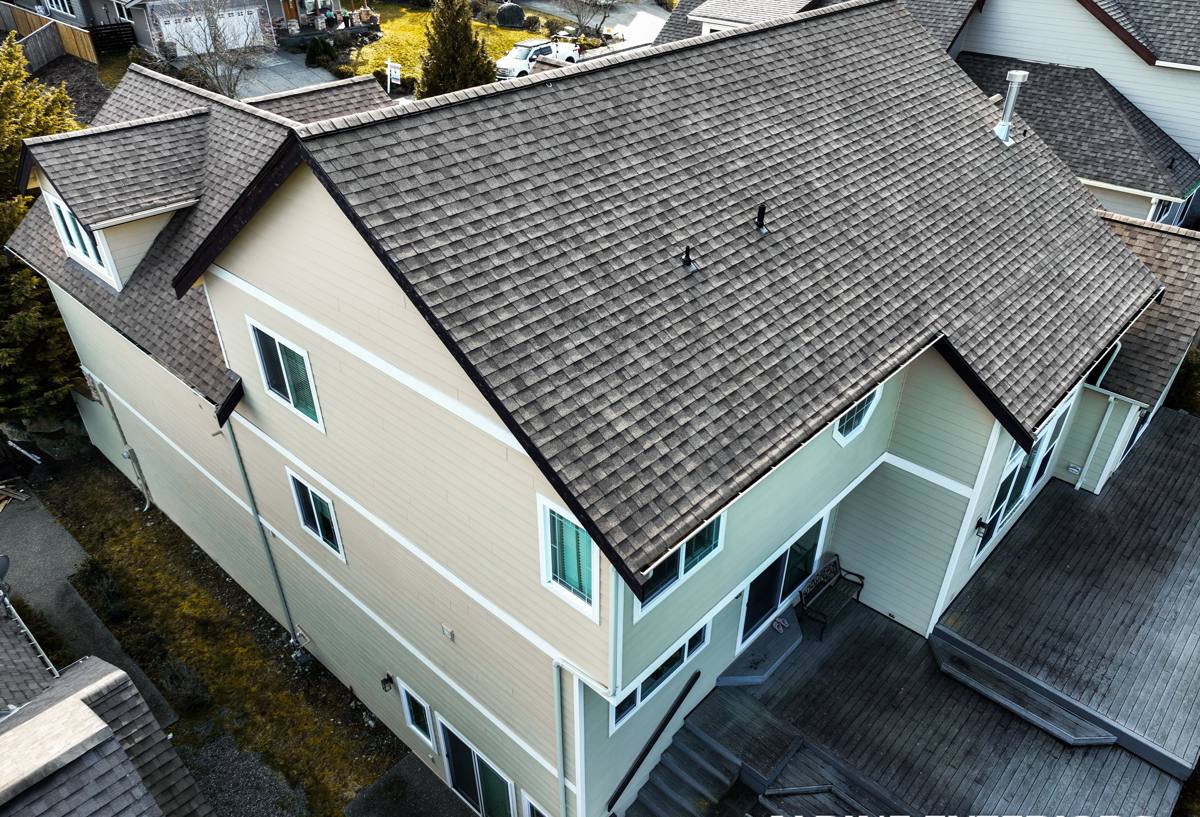
What the Coastal Climate Actually Does to a Deck
It helps to be specific about the stresses at work, because each one points to a different construction decision.
UV and Heat
Florida sun is intense and constant. Untreated or poorly finished wood grays, cracks, and splinters fast under this kind of exposure. Fasteners and connectors left in direct sun can also degrade faster than their rated lifespan suggests if the coating or finish isn't suited for it.
Salt Air
Being near Dunedin's coastline means airborne salt is a constant, low-grade corrosive presence — even for homes that aren't waterfront. Salt air accelerates corrosion in standard fasteners, brackets, and post bases, which is why hardware selection matters as much as the decking material itself.
Wind-Driven Rain
Storms here don't just drop rain straight down — wind pushes water sideways and up under ledgers, rail posts, and stair stringers. Flashing and water management details that would be optional elsewhere are not optional in Dunedin.
Hurricane-Force Wind Loads
Railings, guard posts, and the ledger connection to the house all need to be engineered to resist uplift and lateral load, not just support the static weight of people standing on the deck. This is a code requirement, not an upsell.
Getting the Structure Right
The framing is where a deck's long-term durability is actually decided — decking boards get the attention, but the substructure is what determines whether the deck is still safe and level in fifteen years.
Ledger Attachment
Where the deck attaches to the house is the single most safety-critical connection on the whole structure. It requires proper flashing to keep wind-driven rain from working its way into the house's wall assembly, along with structural fasteners sized and spaced to the load requirements — not just whatever lag bolts happen to be on the truck.
Footings and Posts
Pinellas County's sandy soils and high water table mean footing depth and sizing have to be handled correctly, not assumed. Undersized or shallow footings are a common source of a deck that develops a lean or bounce over time.
Joist Spacing and Hardware
Joist spacing needs to match the actual decking product being installed — composite and PVC boards often have different span ratings than wood, and installing them on framing designed for a different material invites sag between joists.
Elevation and Drainage
Decks built low to grade in a humid coastal climate need airflow underneath and drainage away from the house to avoid moisture buildup that shortens the life of the framing.
Choosing a Decking Material for a Dunedin Home
There's no single "correct" decking material — the right choice depends on budget, maintenance appetite, and how exposed the deck is to sun and salt. Here's an honest comparison of the main options we install:
| Material | Upfront Cost | Maintenance | Coastal Performance |
|---|---|---|---|
| Pressure-Treated Wood | Lowest | Regular sealing/staining needed | Fair — vulnerable to UV graying and moisture if maintenance lapses |
| Composite Decking | Mid to high | Low — occasional washing | Good — resists rot and splintering; quality varies by product line |
| Capped PVC Decking | Highest | Lowest | Excellent — fully sealed surface handles UV and salt exposure well |
| Tropical Hardwoods | High | Moderate to high | Good if properly sealed and re-oiled on a schedule |
We're upfront with Dunedin homeowners about the tradeoffs. Pressure-treated wood is the most affordable entry point but demands a real maintenance commitment to look and perform well in this climate — skip a season of sealing and the sun and humidity will show it. Composite and capped PVC cost more initially but shift the long-term cost from maintenance labor to upfront material, which is often the better math for a deck that will sit exposed to full Florida sun most of the year.
Fasteners and Hardware: The Detail That Gets Skipped
This is the area where corner-cutting is most common and least visible — until it fails. Standard galvanized fasteners can corrode faster than expected in salt air, leading to streaking, weakened connections, and, eventually, structural problems that are expensive to trace back to a $0.05 screw. For Dunedin decks, that means:
- Stainless steel or coated fasteners rated for coastal/ACQ-treated lumber contact
- Hidden fastener systems matched to the specific decking product's engineering, not a generic substitute
- Corrosion-resistant post bases, joist hangers, and structural screws throughout — not just at visible connections
- Flashing tape or membrane at every ledger and post-to-house connection
None of this is visible once the deck is finished, which is exactly why it's worth asking a contractor directly what hardware they're specifying before work begins.
Railings, Stairs, and Code Compliance
Guard railings and stair systems have to meet Florida Building Code requirements for height, baluster spacing, and load resistance — these aren't stylistic choices, they're life-safety requirements, and they're inspected. Wind load resistance for railings matters more here than in most parts of the country, since a railing system also has to hold up under the same hurricane-force gusts the rest of the structure is designed for. Stair stringers need the same attention to fastening and moisture protection as the main deck frame, since stairs see concentrated foot traffic and are often more exposed to wind-driven rain than the main deck surface.
Any deck project in Largo or Dunedin also needs to go through the correct county or city permitting process, with inspections at the framing stage and again at completion. Skipping this isn't just a compliance risk — it also becomes a problem when the home is sold and unpermitted structural work turns up in an inspection.
How We Approach a Dunedin Deck Project
1. Site Assessment
We look at sun exposure, drainage, proximity to the water, existing structure condition (for replacement projects), and how the deck will actually be used before recommending materials or layout.
2. Design and Material Selection
We walk through the material comparison honestly — what fits the budget, what fits the maintenance appetite, and what makes sense given how exposed the specific location is to sun and salt.
3. Permitting
We handle the permit application and coordinate required inspections so the homeowner isn't left navigating that process solo.
4. Framing and Structural Work
Ledger flashing, footings, posts, and joists get built to code minimums or better, with coastal-rated hardware throughout — this is the stage where the deck's real lifespan is determined.
5. Decking, Railing, and Finish Work
Boards, railings, and stairs go in with fastening methods matched to the chosen material's engineering specs.
6. Final Inspection and Walkthrough
We confirm the deck passes final inspection and walk the homeowner through basic care for whatever material was installed.
Maintaining a Deck in a High-UV, Salt-Air Environment
Even low-maintenance materials benefit from a basic seasonal routine in this climate. A simple checklist we give Dunedin homeowners:
- Rinse the deck surface periodically to clear salt residue, pollen, and organic debris before it stains or holds moisture
- Inspect fastener heads and visible hardware once or twice a year for early corrosion signs
- Check railing posts for any looseness after major storms
- Reseal or re-stain wood decking on the schedule the product actually requires — not "when it starts looking bad"
- Keep gutters and downspouts near the deck clear so runoff isn't dumping extra water onto the structure
- Confirm ventilation space underneath the deck stays clear of stored items that trap moisture against the framing
Why Local Experience in Dunedin Matters
A deck builder who works Pinellas County regularly already knows the local permitting office's expectations, has a feel for how different lots in the Dunedin area drain, and has seen firsthand how different materials and hardware hold up after a few real Gulf Coast storm seasons — not just what a manufacturer's spec sheet claims. That local track record shows up in fewer surprises during permitting, fewer callbacks after the first named storm, and a deck that's actually designed for the address it's built on rather than a generic template.
If you're planning a new deck or replacing an aging one in Dunedin or elsewhere in the Largo area, we're happy to walk the property, talk through material options honestly, and put together a straightforward estimate — no pressure, no hard sell. Use the form below to request a free estimate.