 Largo Siding
 Safety Harbor sits on the north shore of Old Tampa Bay in Pinellas County, a short drive from Largo and Clearwater, and that bay-front setting shapes what "custom windows" actually means here. The city's older core carries a mix of small-footprint bungalows and mid-century cottages with window openings built long before today's sizing standards existed, while additions, renovations, and newer homes around town tend toward larger openings meant to take advantage of bay views and Florida's outdoor living style. Every one of those openings, whether it's a decades-old cottage window or a modern great-room slider, falls under Pinellas County's wind-borne debris and impact code requirements, and a bay-front address adds its own mix of wind, sun, rain, and salt that a generic inland install doesn't have to account for. We treat a custom window project in Safety Harbor as two jobs running at once — getting the size and shape right, and getting the structural and weatherproofing details right for the exposure that comes with living on the water.
Why Safety Harbor's Housing Stock Calls for Custom Work
Three things push window projects here into custom territory more often than a typical Pinellas County job. First, the age and variety of the housing stock — older bungalow and cottage-style homes near the historic core often have rough openings that don't match any current stock size, so a straight swap isn't an option without either reworking the opening or ordering a unit built to fit it. Second, additions and remodeled spaces: a Florida room, a rear addition, or a renovated great room frequently ends up with an opening wider, taller, or shaped differently than what a builder-grade window line offers off the shelf. Third, code — when a window gets replaced rather than repaired, current Florida Building Code requirements typically apply to the new unit even if the original opening predates them, which can change the size, egress dimensions, or impact rating required compared to what was there before.
None of that makes custom work unusual here — it's a normal part of window replacement in this part of the county. It does mean the job starts with an honest look at the actual opening and the home's exposure, not a tape-measure guess against a catalog page.
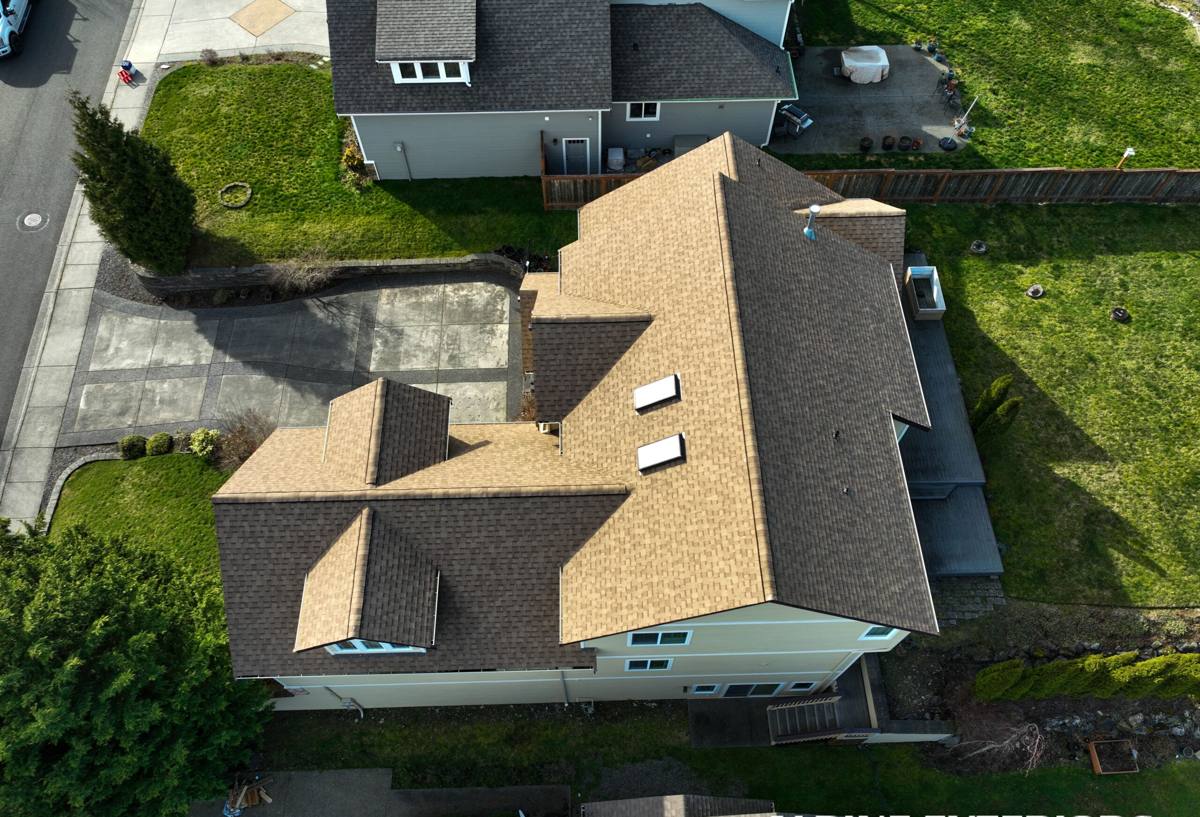
What the Climate Actually Does to Windows in a Bay-Front Community
Being on Old Tampa Bay rather than the open Gulf doesn't take Safety Harbor out of hurricane country — tropical systems still push hurricane-force wind up the bay, and that wind load lands on window glass and framing the same way it does anywhere else in Pinellas County. On a large custom picture window or an oversized slider, that load spreads across more surface area, which is exactly why the impact rating and the way the unit is anchored to the structure matter more as the opening gets bigger. Intense, near-constant Florida UV works on windows every day of the year, not just during storm season, breaking down lower-grade vinyl, weatherstripping, and sealants faster than a more temperate climate would, which shows up eventually as yellowing, brittle gaskets, and seals that let air and water through. Wind-driven rain — both during tropical events and during the kind of fast-moving summer squalls this area gets regularly — pushes water sideways into wall assemblies and puts real pressure on flashing details that a calmer climate would never test. And salt air off the bay is a slow, constant process rather than a storm-day event; it works on hardware, fasteners, and screen frames year-round whether or not a named storm ever comes through.
On a custom-shaped or oversized window, that risk concentrates at the perimeter — the flashing, the sealant joints, the anchor points — rather than in the glass itself. A standard-size stock window benefits from a manufacturer's tested installation instructions written for a common opening. A custom opening doesn't have that off-the-shelf guidance, so whoever installs it has to build the weatherproofing and structural plan around the specific size and shape in front of them.
Where Problems Actually Start
It's rarely the glass that fails first on a custom window in a climate like this. It's the transition points — where a wide sill meets the wall below it, where an oversized unit doesn't have enough anchor points for its size and load, where a sealant joint got rushed on a shape that needed more time to detail than a standard rectangle. Those details decide whether a custom window is still performing after a few hurricane seasons or starts showing drafts, fogging, and leaks within a couple of years.
Custom Window Situations We See in Safety Harbor
- Non-standard replacement sizes — matching openings in older bungalows and cottages built before current window sizing and code standards existed
- Bay-view picture and fixed windows — larger glass areas built to take in a water view, which means more perimeter to flash and rate correctly for wind
- Sliding glass door and window combinations — common in Florida room and lanai additions, where openings often run wider than standard stock allows
- Impact-rated units for direct bay exposure — sized and structurally rated for homes closest to the Old Tampa Bay shoreline
- Additions and renovated openings — new or reworked spaces that need windows sized to match the existing sightlines and rooflines of the home
- Egress and code-driven replacements — openings where current code sets the minimum size rather than whatever was originally installed
What a Correct Custom Window Job Involves
Assessment and Measurement
We start with a field measurement of the actual opening, not a number pulled from old plans or a builder's spec sheet, and we look at the home's specific exposure — a wall that faces directly toward the bay gets treated differently than a more sheltered elevation a block or two back. That assessment is what determines the impact rating and anchoring method the custom unit needs to meet Pinellas County's wind-borne debris requirements, which is a code question as much as a design one.
Structural and Attachment Planning
Larger custom units carry more wind load, so the anchoring into the surrounding wall structure has to be engineered for the actual size of the opening, not just treated the same as a standard window. On older Safety Harbor homes, this step often turns up framing or substrate issues — rot, old fastener damage, out-of-square openings — that need to be corrected before the new unit goes in. We plan for that upfront instead of discovering it after the old window is already out.
Flashing and Weatherproofing
This is the step that matters most on a bay-front custom install. A wide sill needs to shed water outward instead of letting it pool. A custom-shaped opening needs flashing sequenced to match its actual geometry and lapped correctly so wind-driven rain can't work its way in behind the trim. We build that sequence around the specific opening rather than applying a generic method to every job.
Finish, Hardware, and Corrosion Protection
Salt air off the bay goes after fasteners, hinges, locks, and screen hardware whether or not a storm ever hits this year. We spec corrosion-resistant hardware as standard practice on Safety Harbor installs, and we finish trim and sealant joints to hold up to constant sun and salt exposure, not just to look right on the day the job wraps.
Quick Checklist Before You Order
- Confirm the opening has been field-measured and the specific wall's exposure evaluated, not estimated
- Ask what impact rating the unit needs to meet for your exact address and elevation
- Get the anchoring and attachment plan explained in plain terms, especially for large or oversized units
- Ask about the flashing plan for the actual shape you're ordering, not a generic answer
- Confirm hardware and fasteners are corrosion-resistant, not standard-grade
- Get a realistic lead time in writing — custom, impact-rated units are built to order and don't ship overnight
Our Process, Start to Finish
- On-site assessment — we measure the opening, evaluate the wall's wind and water exposure, and check for structural or substrate issues
- Honest recommendation — custom order, modified stock size, or opening rework, with the reasoning and required impact rating explained clearly
- Ordering and lead time — a realistic timeline for the custom, code-compliant unit to be built and delivered
- Removal and opening prep — the old unit comes out carefully, with any hidden framing or flashing problems addressed before the new window goes in
- Installation and anchoring — the new unit is set and anchored to meet the wind load requirements for its size and location
- Flashing, sealant, and trim — weatherproofing detailed for the specific opening, then finished to match the rest of the home's exterior
Costs and Trade-Offs: Custom vs. Stock
| Factor | What Changes the Price |
|---|---|
| Size and shape | Oversized or non-rectangular openings cost more to engineer, order, and flash than a standard rectangle |
| Impact rating required | Homes closest to the Old Tampa Bay shoreline typically need a higher-rated unit than a more sheltered inland elevation |
| Opening condition | Rot, prior flashing failures, or out-of-square framing on older cottages add repair work before the new unit goes in |
| Frame material | Fiberglass and vinyl generally cost less to maintain long-term in salt air than an all-wood exterior finish |
| Number of units | A matched set for a full renovation or addition typically has better per-unit economics than a single one-off replacement |
Frame Materials for a Bay-Front Home
Frame material matters more on a large custom window this close to the water, since more glass area means more exposure to salt air and UV over the life of the window. Fiberglass and vinyl frames generally hold up to sustained coastal conditions with less ongoing maintenance than an all-wood exterior, which is why we lead with them on bay-facing custom installs. That doesn't rule out wood entirely — a wood interior look paired with a protected, low-maintenance exterior cladding can still make sense when the interior finish matters to the homeowner and the exterior is detailed correctly. We'll walk through the honest trade-offs for your specific opening rather than defaulting to one material for every job.
Why Hiring a Crew That Works Safety Harbor Matters
Manufacturer installation instructions are written for average conditions, and a bay-front Pinellas County home rarely stays inside that average. A crew that doesn't work this area regularly can get the impact rating right on paper and still miss the details that actually keep water and wind out — how far a flashing lap needs to extend on a wide sill, which anchoring pattern holds up under real hurricane-force wind versus the code minimum, when a sealant joint needs extra attention because of constant sun and salt cycling rather than a one-time storm event. Those are decisions made on the job site, not decisions a spec sheet makes for you.
We work Safety Harbor and the surrounding Largo area on a regular basis, which means we're not guessing at how a particular wall type, elevation, or opening style tends to hold up here over time. That familiarity shows up in the small calls — the ones that decide whether a custom window is still sealed tight and performing well after a few hurricane seasons, or starting to show leaks, drafts, and corroded hardware within a couple of years.
Ready When You Are
If you're planning a renovation, replacing an odd-sized opening in an older Safety Harbor home, or looking at a larger window to make the most of a bay view, it's worth having someone assess the actual opening and exposure before you start pricing units. We offer free, no-pressure estimates for custom window projects in Safety Harbor and the surrounding Largo area — use the form below to get a time on the schedule.