 Largo Siding
 Windows Built for What Kenneth City Weather Actually Does
Kenneth City sits in the middle of Pinellas County, close enough to the Gulf that salt air reaches every block, and squarely in the path of the same tropical systems that threaten the rest of the Tampa Bay area. Homes here deal with a specific combination of stresses: sustained UV exposure nearly year-round, sudden pressure changes and wind-driven rain during storms, and the slow corrosive effect of humid, salt-laden air on metal hardware and seals. A window that works fine in a drier, calmer climate can fail here in ways that show up as fogged glass, swollen frames, or hardware that won't turn smoothly after a few Florida summers.
Custom windows aren't about fancy shapes or one-off architecture, though we do that too. For most Kenneth City homeowners, "custom" simply means windows sized, engineered, and installed to fit an existing opening correctly instead of forcing a stock size into a house that was framed decades before current products or codes existed. That distinction matters more here than in most parts of the country, because an incorrectly fitted window is also an incorrectly sealed window — and an incorrectly sealed window is where wind-driven rain finds its way into your wall cavity.
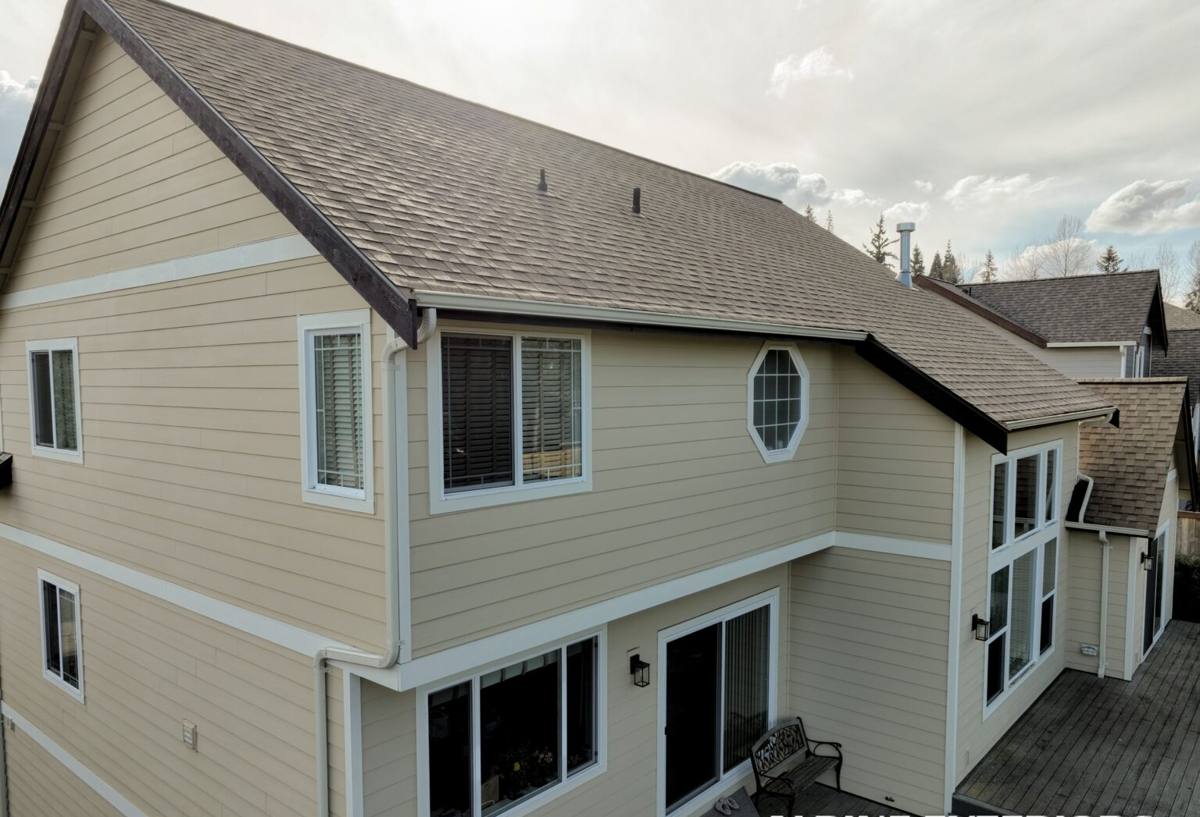
What "Custom" Means for Your Project
Kenneth City's housing stock includes a lot of mid-century single-family homes along with newer infill construction, and rough openings vary more than people expect — even between two houses on the same street. Custom windows are measured and built to your actual opening rather than pulled from a warehouse size chart. That covers:
- Non-standard or slightly out-of-square openings common in older block homes
- Matching sightlines and grid patterns across a whole elevation so replacement windows don't look mismatched next to originals
- Specialty shapes — arched, picture, or bay configurations — where a stock unit simply won't fit
- Impact-rated glass packages sized to meet Florida Building Code wind zone requirements for this area
- Interior trim and exterior finish details that match the home instead of a generic factory profile
None of that requires exotic materials or a huge premium over "off the shelf" — it mostly requires accurate measurement, a manufacturer that will build to spec, and installers who won't cut corners to make a slightly-wrong-size window fit anyway.
When a Full Custom Approach Is Worth It
Not every project needs a fully custom build. If your openings are standard and in good shape, a quality manufactured window in a common size can be the more economical choice. Custom sizing earns its cost when the opening is irregular, when you're changing the window shape or size, when matching an unusual architectural detail, or when the existing opening has settled or shifted enough that a stock unit would need to be shimmed and packed with foam to fit — which is exactly the kind of installation that leaks first.
Frame Material Comparison for Pinellas County Conditions
Every frame material handles Gulf Coast conditions differently. None of them are wrong choices across the board — the right one depends on your budget, your home's style, and how much upkeep you want to take on.
| Material | Salt Air & Humidity | Maintenance | Typical Lifespan | Best Fit |
|---|---|---|---|---|
| Vinyl | Won't corrode or pit; UV-stable formulations resist yellowing | Low — occasional cleaning | 20-30+ years | Most Kenneth City homes; best value for impact packages |
| Aluminum | Strong but prone to pitting/corrosion near the coast unless properly coated | Moderate — coatings need occasional attention | 20-30 years with maintenance | Modern or commercial-style architecture, larger spans |
| Fiberglass | Excellent — dimensionally stable, resists salt corrosion | Low | 30-40+ years | Homeowners wanting minimal long-term upkeep |
| Wood-clad | Vulnerable at cladding seams and cut ends if not well-sealed | High — regular inspection and finish maintenance | Varies with upkeep | Historic-style interiors where wood sightlines matter |
We'll walk through these trade-offs honestly rather than push whatever happens to be sitting in the warehouse. For most standard residential jobs in this area, vinyl or fiberglass frames paired with impact-rated glass give the best balance of durability and cost.
Impact Glass and What Florida Code Actually Requires
Pinellas County falls within Florida's High-Velocity Hurricane Zone influence for design pressure purposes, and local permitting will specify the wind-load and impact requirements for your address based on wind zone and exposure category. In practice, that means new and replacement windows generally need to either carry impact-rated laminated glass or be paired with code-compliant shutters or protective covering.
Impact glass uses a laminated interlayer that keeps the glass bonded to the frame even when the outer pane cracks under wind-borne debris. Beyond storm protection, it also cuts outside noise noticeably and blocks a large share of UV transmission, which matters in a climate where the sun is doing real damage to flooring, furniture, and window frames themselves for most of the year.
Permit and Code Considerations
Window replacement in Kenneth City and unincorporated Pinellas County generally requires a permit, and inspectors will check that the installed product's design pressure rating matches what your home's wind zone requires. Skipping the permit step might save a little time up front, but it leaves you without documentation that matters at resale and, more importantly, without third-party verification that the windows were actually installed to the standard your home needs. We pull permits and coordinate inspections as part of the job — it's not an upsell, it's how the work gets done correctly.
Our Installation Process
- On-site assessment. We measure every opening individually, check for water intrusion history, wood rot, or settling around the frame, and photograph existing conditions.
- Product selection. We go over frame material, glass package, and design pressure rating options based on your home's exposure and budget — no pressure toward the most expensive option.
- Permitting. We handle the permit application and schedule inspections with the local building department.
- Removal and prep. Old units are removed carefully to protect interior finishes and stucco or siding around the opening; we inspect the rough opening for hidden moisture damage before anything new goes in.
- Flashing and sealing. This is the step that determines whether a window leaks in five years. Proper flashing tape, sill pans where called for, and correctly sequenced sealant are what actually keep wind-driven rain out — not just a bead of caulk around the trim.
- Installation and fastening. Windows are set plumb, level, and square, shimmed correctly, and fastened per the manufacturer's tested installation instructions — the same instructions that back the impact rating.
- Finish work. Interior and exterior trim, caulking, and cleanup.
- Final inspection. We schedule the city or county inspection and stand behind the work if anything needs adjustment.
Signs Your Current Windows Are Already Costing You
A lot of homeowners live with failing windows longer than they need to simply because the symptoms show up gradually. Watch for:
- Fogging or a milky haze between panes — a sign the seal has failed and the insulating gas has escaped
- Frames that feel soft, chalky, or discolored, especially on south- and west-facing walls that take the most sun
- Windows that are hard to open, close, or lock — often a sign of frame swelling or warping
- Visible daylight or a draft around the frame when the window is closed
- Water staining on interior drywall or sill boards below or beside the window
- A noticeable rise in cooling costs without another clear cause
Any one of these is worth a look. Several together usually means the window and its surrounding seal are both past their useful life, not just cosmetically dated.
Energy and Comfort Benefits Beyond Storm Protection
Impact-rated windows get most of the attention for hurricane protection, but the laminated glass and tighter frame tolerances also do real work on your energy bill and interior comfort. Reduced UV transmission means less fading on floors and furniture near south- and west-facing windows. Better seals mean your HVAC system isn't fighting infiltration around the frame — a meaningful factor in a climate where air conditioning runs most of the year. And the same laminated interlayer that resists impact also dampens sound transmission, which is noticeable on busier streets or near Pinellas County's air traffic corridors.
Maintenance Checklist for Kenneth City Homeowners
Whatever frame material you choose, a little regular attention keeps windows performing for their full service life in this climate:
- Rinse frames and tracks periodically to clear salt residue, especially on homes within a few miles of the coast
- Check and clean weep holes so water can drain out of the frame instead of pooling
- Inspect exterior caulking annually and re-seal any cracked or separated joints before rainy season
- Lubricate locks and hardware with a silicone-based (not petroleum) lubricant
- Look for early signs of frame discoloration, soft spots, or hardware corrosion and address them before they spread
- After any major storm, check for new gaps, cracked glass, or shifted trim even if there's no obvious leak
Cost Factors to Expect
Pricing for custom windows depends on size, frame material, glass package, and how many openings are involved — we won't quote a number without seeing the job, but the main variables are consistent: impact-rated glass costs more than standard glass but often replaces the need for separate shutters; larger or non-standard openings cost more to fabricate than stock sizes; and fiberglass or upgraded vinyl frames cost more up front than basic aluminum but typically demand less maintenance over time. A written, itemized estimate is the only way to know real numbers for your home.
Why a Crew That Already Works Kenneth City Matters
Window installation is one of those jobs where local knowledge shows up in details that aren't obvious until something goes wrong. A crew that regularly works Pinellas County homes already knows the wind zone and design pressure requirements that apply here, has a working relationship with the local permitting process, and has seen firsthand how mid-century block construction in this area behaves around window openings — where moisture tends to collect, where stucco cracks around frames, and what a properly flashed opening needs to look like to actually hold up through a wet season. That familiarity translates into fewer surprises during the job and fewer callbacks after it.
It also means accountability. A contractor who works this neighborhood regularly has a reputation to protect here, not just a job to finish and move on from.
If your windows are dated, leaking, hard to operate, or you're planning ahead of hurricane season, we're happy to take a look and put together a free, no-pressure estimate for your Kenneth City home — no obligation, just a straight answer on what your windows need. The form below gets you started.