 Largo Siding
 Why Clearwater Roofs Take a Different Kind of Beating
Clearwater sits close enough to the Gulf that every roof in the area deals with a combination most inland homes never see: tropical-system winds, wind-driven rain that gets pushed sideways under normal flashing lines, near-constant UV exposure, and a steady drift of salt air off the water. None of these show up as a single dramatic failure most of the time. They show up as granule loss, lifted shingle tabs, soft spots around penetrations, and corroded fasteners that quietly get worse until a storm finds the weak point and turns it into a leak.
Storm damage roof repair in this part of Pinellas County isn't just about patching what a named storm broke. It's about understanding that the roof was already under stress before the wind picked up, and repairing it in a way that holds up to the next round of weather, not just this one.
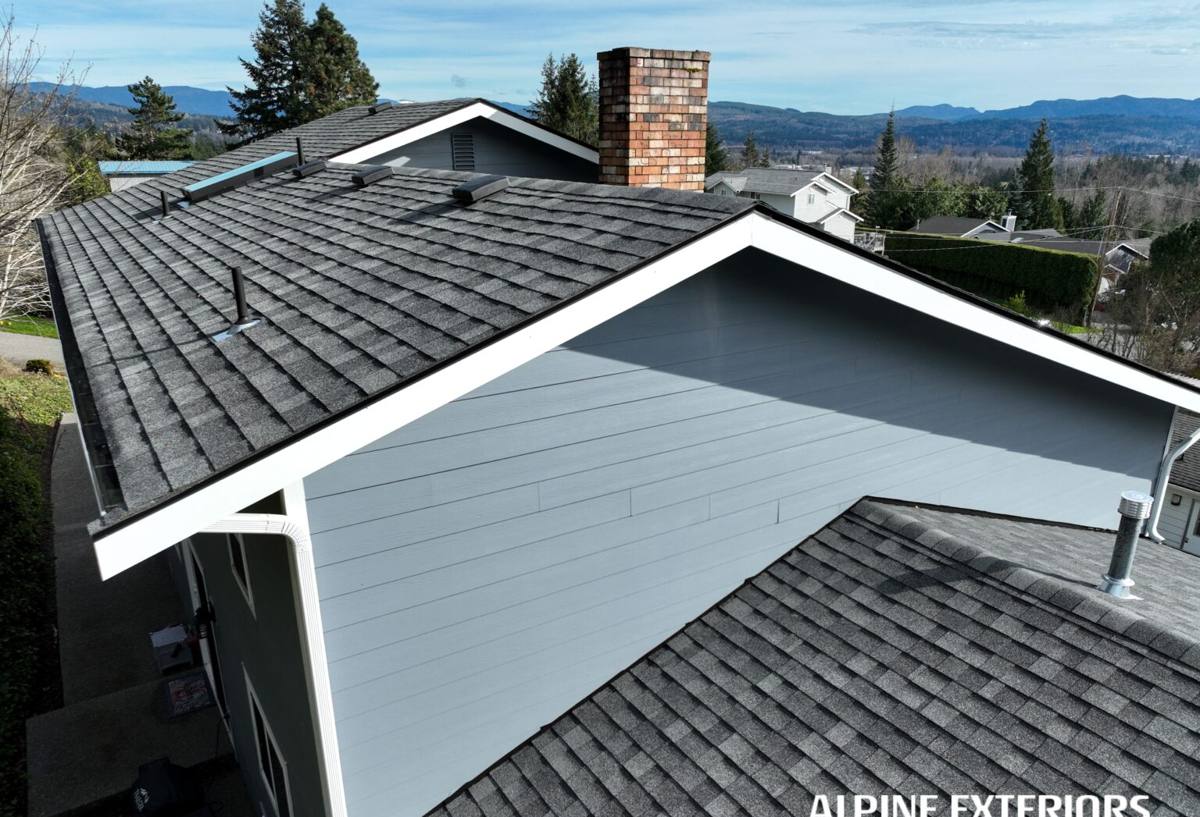
What Actually Damages a Clearwater Roof
Wind
Sustained hurricane-force gusts don't need to peel a whole roof off to cause a problem. Wind gets under a single lifted tab or ridge cap, and once it's under the material it works like a lever. Repeated wind events loosen fasteners a little more each time, which is why a roof that "made it through" a storm can still have hidden uplift damage that fails months later.
Wind-Driven Rain
Rain that's moving horizontally doesn't behave like rain falling straight down. It gets pushed up under shingle edges, around vent boots, and into flashing laps that were never designed to shed water moving sideways. This is the most common cause of a leak that shows up well after the storm has passed — water sat in the underlayment or decking and took time to find its way to the ceiling.
Year-Round UV
Florida sun breaks down asphalt shingles and dries out sealant strips faster than in most of the country. A roof that's a few years past its prime going into hurricane season has less flexibility left in it, which means less ability to absorb wind stress without cracking or lifting.
Salt Air
Proximity to the Gulf accelerates corrosion on exposed metal — nail heads, flashing, drip edge, and fasteners on vents and equipment. Corroded fasteners lose their grip strength well before they look obviously bad, which is one of the reasons a visual-only inspection can miss real vulnerabilities.
What a Correct Repair Actually Involves
A storm damage repair that's done right isn't just replacing the shingles that are visibly missing. It follows the path water actually took, which is usually more extensive than the surface damage suggests.
- Full inspection of the affected slope, not just the damaged section — wind damage rarely stays contained to one spot
- Check of the decking underneath for soft spots, delamination, or rot before any new material goes down
- Inspection and, where needed, replacement of underlayment in the affected area — this is the actual water barrier, not the shingles
- Flashing check at every penetration nearby: vent boots, chimneys, skylights, and roof-to-wall transitions
- Matching replacement shingles or tile as closely as possible in color and profile so the repair doesn't stand out
- Fastener pattern that meets current wind-resistance standards, not just whatever pattern was there before
Skipping any of these steps is how a homeowner ends up with a repair that looks fine from the driveway but leaks again in the next heavy rain.
Repair or Replace? What Actually Decides It
| Factor | Points Toward Repair | Points Toward Replacement |
|---|---|---|
| Extent of damage | Isolated to one section or slope | Spread across multiple slopes or the whole roof |
| Roof age | Well within expected lifespan | Already near the end of its service life |
| Decking condition | Solid, no rot or soft spots | Widespread rot or delamination found during inspection |
| Underlayment condition | Intact outside the damaged area | Degraded or missing in multiple areas |
| Prior repair history | This is the first significant repair | Roof has been patched repeatedly over the years |
We'll tell you honestly which side of this table your roof falls on. A roof that only needs a repair doesn't need a sales pitch for a full replacement, and a roof with underlying decking or underlayment problems doesn't get help from a shingle patch that ignores what's underneath it.
Our Process for Clearwater Storm Repairs
1. Inspection and Documentation
We walk the roof (or use a drone when conditions call for it) and document every point of damage with photos, before any repair work starts. This documentation is the same material that supports an insurance claim if you're filing one.
2. Temporary Protection
If there's an active leak or exposed decking, we get a tarp or temporary seal on it fast. The goal is to stop water intrusion from getting worse while the permanent repair is scheduled and materials are matched.
3. Written Scope and Estimate
You get a clear, itemized description of what's being repaired and why — no vague line items. If the inspection turns up something beyond what caused you to call, like existing rot or a prior repair that was done wrong, we explain it before we touch it, not after.
4. The Repair
Decking, underlayment, flashing, and roofing material are addressed in that order — from the structure out. We don't put new shingles over a problem that's still underneath them.
5. Final Check
Once the repair is complete, we walk it again to confirm the fix holds up to close inspection, not just a glance from the ground.
Insurance and Permitting in Pinellas County
Storm damage repairs often involve an insurance claim, and Pinellas County has its own permitting requirements for roof work that go beyond just a friendly handshake agreement. We provide the documentation adjusters typically ask for, and we pull the permits a repair of this scope requires. Skipping the permit step might save a little time up front, but it can cause real problems later — at resale, or if a future storm reveals that unpermitted work didn't meet code.
If your roof has hurricane straps, secondary water barrier, or other wind mitigation features, we work around them rather than compromising them during the repair. Those features often affect your insurance premium, and undoing them accidentally during a patch job is a costly mistake to make.
Signs Your Roof Needs a Closer Look
- Missing, cracked, or curled shingles anywhere on the roof, not just the obviously damaged spot
- Granules collecting in gutters or at the base of downspouts after a storm
- Water stains on interior ceilings, even faint ones that seem to have dried up
- Soft or spongy spots when walking the roof, if it's safe to do so
- Visible daylight through the attic decking
- Loose or lifted flashing around chimneys, vents, or skylights
- Rust streaks or corrosion around metal fasteners and vent boots
If you notice any of these after a storm, it's worth having someone look before the next round of weather turns a small problem into a bigger one.
Why It Matters That We Already Work in Clearwater
A repair crew that's unfamiliar with the area is starting from zero on things that matter: which shingle profiles and colors are common on Clearwater roofs, what Pinellas County's permitting office actually requires, and how local wind and rain patterns tend to find the weak points in a repair. We work in this area regularly, which means fewer surprises, faster material matching, and a repair that's built around how storms actually behave here rather than a generic playbook.
It also means we're not disappearing after the invoice is paid. If a repair doesn't hold up the way it should, we're a local call, not a company that worked the area for one storm season and moved on.
What This Costs
Storm damage repair costs vary widely depending on how much of the roof is affected, whether decking or underlayment needs replacing, and the roofing material involved. A small, isolated repair is a modest cost. A repair that turns up rotted decking or widespread underlayment failure costs more, because it should — cutting corners on those layers is exactly what leads to repeat leaks. We give you real numbers after a real inspection, not a phone-estimate guess.
If your roof took a hit from recent weather or you've noticed any of the warning signs above, we're happy to come take a look. The estimate is free, there's no pressure to move forward, and you'll walk away knowing exactly what your roof needs — use the form below to get started.