 Largo Siding
 Belleair's Coastline Puts Extra Demands on a Roof
Belleair sits close enough to the Gulf that salt air is a daily fact of life for anything metal on a house — gutters, flashing, fasteners, and the roof panels themselves. Add in Pinellas County's wind exposure during tropical storm season, intense UV that doesn't let up for most of the year, and the wind-driven rain that comes sideways off the water during a squall, and you've got a roofing environment that's more demanding than most of the country ever deals with. A metal roof can handle all of that extremely well — but only if it's specified and installed with this exact climate in mind, not installed the same way it would be on a house in a dry inland state.
That distinction matters more with metal than with almost any other roofing material. Shingles fail slowly and forgive some sloppiness. Metal roofing is a system of interlocking parts — panels, seams, fasteners, flashing, underlayment — and if one part of that system is wrong for a coastal Largo property, the whole roof's performance and lifespan get shortened, sometimes years before it should.
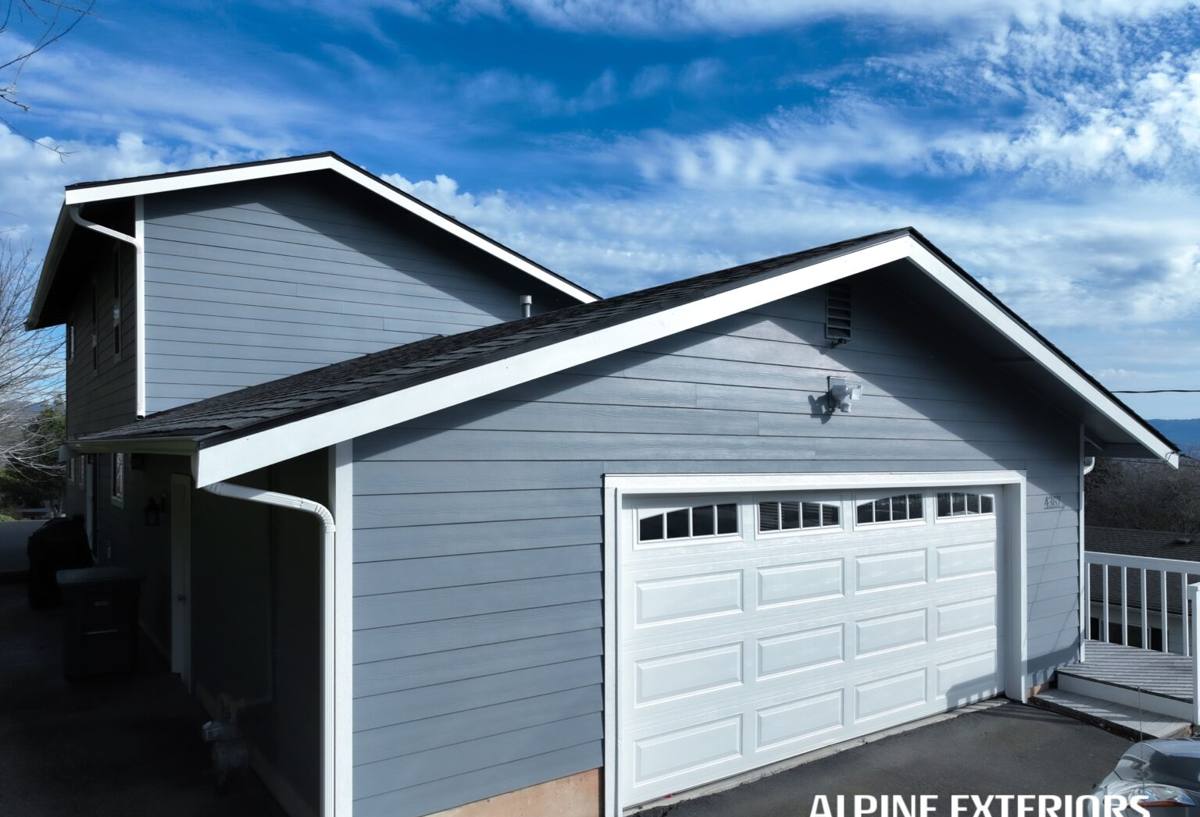
What a Correct Metal Roofing Install Actually Involves
Deck and Underlayment
Before a single panel goes down, the roof deck needs to be sound — no soft spots, no hidden rot from a slow leak under the old roofing. Over that deck goes an underlayment rated for high heat and long UV exposure, since metal panels can run hot in Florida sun and a cheap underlayment will break down underneath them over time. In a wind-driven rain environment like this one, we also pay close attention to how the underlayment laps and seals at every seam, not just where it's visible.
Fastening and Seams
How a panel is attached is arguably the single biggest factor in wind performance. Exposed-fastener panels rely on screws with rubber washers that compress the metal at set intervals — those washers are a wear item and eventually need attention. Standing seam panels use concealed clips that let the metal expand and contract with temperature swings without pulling on fasteners, which is part of why they hold up longer under repeated wind loading. Either system can work on a Belleair home; what matters is that fastener spacing and panel attachment are engineered to the wind pressures this specific location sees, not a generic spec sheet.
Flashing and Penetrations
Every place something interrupts the roof plane — a chimney, a vent stack, a wall transition, a valley — is where roofs actually leak. Flashing has to be formed to fit that specific detail and installed to shed water correctly, then sealed with materials that won't degrade in salt air and UV within a couple of years. This is the part of a metal roof install that's easiest to rush and hardest to fix once the panels are down, which is why we slow down here regardless of how the rest of the schedule is going.
Panel Types and Coatings: Matching the Product to a Coastal Property
Not every metal roofing product is built the same way, and the differences matter more near the water than they do a few miles inland. Here's how the common options compare for a home in this kind of coastal exposure.
| Panel Type | Wind Performance | Corrosion Resistance | Maintenance |
|---|---|---|---|
| Standing seam (concealed fastener) | Strong — clips allow movement without fastener fatigue | High with quality coatings | Low — no exposed fasteners to check |
| Exposed-fastener panel | Good, but fastener condition matters over time | Depends on fastener and washer quality | Moderate — washers and screws should be checked periodically |
| Metal shingle / stone-coated steel | Good when installed to spec | Good with proper coating | Moderate — more seams and laps than standing seam |
Coating matters as much as panel style. In a salt-air environment, the paint or coating system is what actually stands between the steel or aluminum substrate and corrosion. We talk through coating warranties and substrate options honestly, including the trade-offs — a heavier coating system costs more up front but is what actually earns a metal roof its long service life this close to the Gulf.
Our Process, Start to Finish
- Roof and structure assessment — we check the deck, existing flashing details, ventilation, and any signs of past leaks before recommending anything.
- Honest scope and product conversation — panel type, gauge, coating, and color are discussed against your budget and how long you plan to stay in the home, not upsold as a package.
- Permitting — we handle the permit application through the local building department so the wind-rating and installation method are documented and inspected correctly.
- Tear-off or overlay decision — made based on what the existing deck and roofing can actually support, not just what's faster for us.
- Installation — deck repair as needed, underlayment, panels, and flashing installed in sequence, with attention paid to every penetration and transition.
- Final walk-through and inspection — we review the finished roof with you and make sure it passes the required building inspection before we consider the job done.
Why a Crew That Already Works Belleair Is Worth Something
A roofing crew that's worked this area regularly knows the wind exposure differences between an open lot near the water and a more sheltered inland lot in the same neighborhood, knows what the local building department expects on a permit submission, and knows how HOA or community aesthetic guidelines tend to run in this part of Largo. That familiarity shows up in fewer surprises — permits that don't bounce back for missing documentation, panel colors and profiles that fit the neighborhood, and a crew that isn't learning the coastal wind and corrosion realities on your roof for the first time.
It also matters after the job is done. A local crew is the one you can actually call if a fastener works loose after a big storm or a sealant joint needs a look a few years down the road — not a name that did one job in the area and moved on.
What Actually Drives the Cost of a Metal Roof Here
Metal roofing costs more up front than asphalt shingles, and the final number on any given Belleair home depends on a handful of real factors rather than a flat rate.
| Cost Factor | Why It Moves the Price |
|---|---|
| Roof complexity | More valleys, hips, dormers, and penetrations mean more flashing labor and cut panels |
| Panel type | Standing seam typically costs more than exposed-fastener panel for the same square footage |
| Coating and substrate | Higher-grade coatings and corrosion-resistant substrates cost more but last longer near salt air |
| Deck condition | Rot or soft decking found during tear-off adds repair work before panels can go on |
| Tear-off vs. overlay | Removing old roofing adds labor and disposal cost but is often the right call structurally |
We give a written estimate that breaks these factors out so you can see what's driving the number, rather than a single lump-sum figure with no explanation behind it.
Keeping a Metal Roof Sound in Salt Air
Metal roofing is genuinely low-maintenance compared to shingles, but "low-maintenance" in a coastal climate still means a periodic look, not zero attention. A short seasonal checklist covers most of what actually matters:
- Rinse accumulated salt film and debris off the roof surface periodically, especially after long dry stretches
- Check exposed fasteners and washers for looseness or wear if you have an exposed-fastener panel system
- Clear gutters and valleys so water isn't sitting against panel edges or fascia
- Look at sealant around penetrations — vent stacks, chimneys, and wall flashing — for cracking or shrinkage
- After any major wind event, do a visual check for lifted panels, loose trim, or displaced flashing
- Keep overhanging branches trimmed back to reduce debris buildup and scratching of the coating
Signs Your Current Roof Is Telling You Something
Whether you currently have shingles or an aging metal roof, a few signs are worth acting on rather than watching:
- Rust streaking or bleeding at fasteners, seams, or flashing
- Panels that have visibly lifted, oil-canned, or loosened at the edges
- Recurring leaks around the same penetration despite past sealant repairs
- Chalking, fading, or coating breakdown well ahead of what the product's warranty would suggest
- Visible sagging or soft spots when walking the roof or viewing it from a ladder
None of these automatically mean a full replacement is needed — sometimes a repair to a specific detail is enough. We'll tell you honestly which situation you're in rather than defaulting to the more expensive answer.
Get a Straight Answer on Your Roof
If you're weighing a metal roof for a Belleair-area home, or wondering whether your current roof still has good years left in it, we're happy to take a look and give you a clear, no-pressure estimate. Fill out the form below and we'll set up a time to come out.