 Largo Siding
 Board & Batten Siding Built for Belleair Bluffs' Coastal Exposure
Belleair Bluffs sits on one of the higher points of land along this stretch of Pinellas County, overlooking the Intracoastal Waterway between Largo and Belleair. That elevation gives homes here some of the best views in the area, but it also means more direct exposure to wind coming off the water. Combine that with the Tampa Bay region's intense year-round UV, sudden wind-driven rain squalls, and the corrosive effect of salt-laden air, and you have a siding environment that punishes anything installed as an afterthought.
Board and batten siding has become a popular choice for homes in this neighborhood because of its clean, vertical lines and the way it reads on both older Florida cottages and newer coastal-style builds. But the look only holds up if the system underneath is engineered for this climate. This page covers what board and batten actually is, what correct installation requires in a place like Belleair Bluffs, and why we install it exclusively in James Hardie fiber cement.
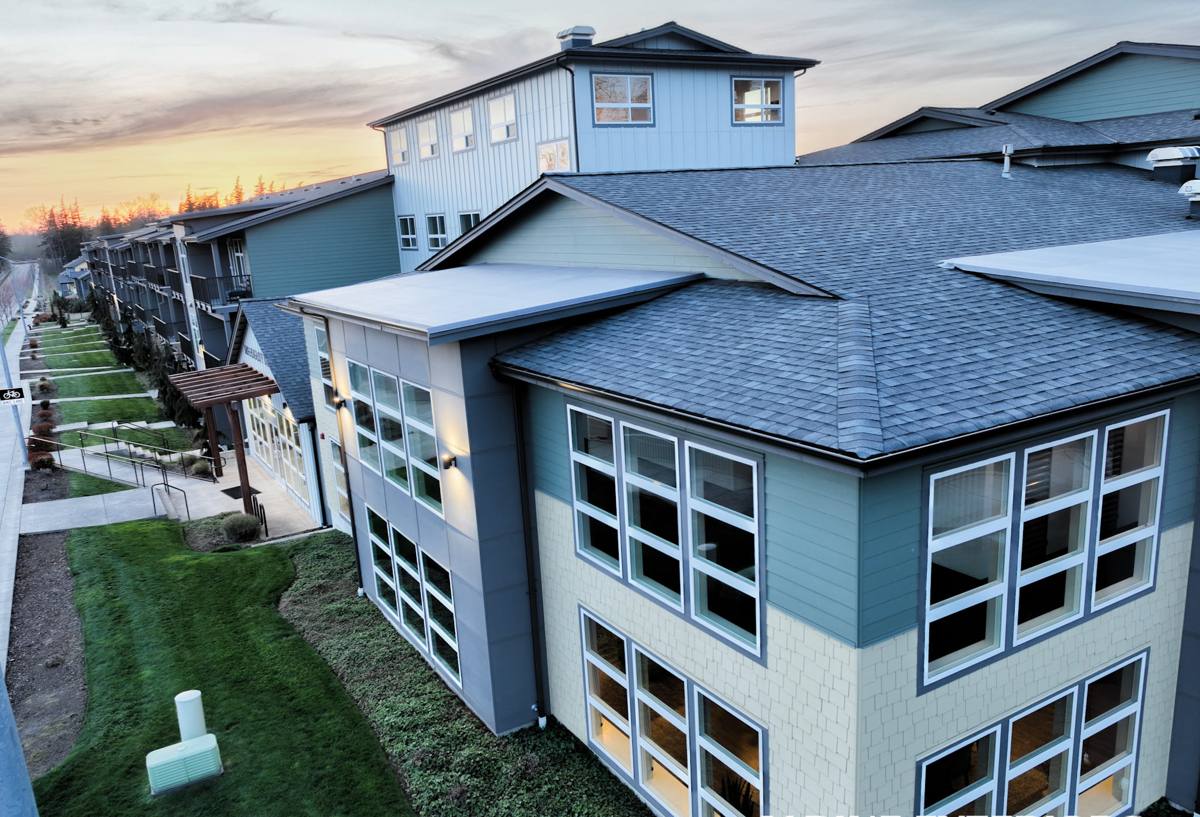
What Board and Batten Siding Actually Is
Board and batten is a vertical siding pattern: wide flat panels (or boards) installed side by side, with narrower strips — the battens — covering the seams between them. It's one of the oldest siding patterns in American building history, originally developed to shed water off vertical wood boards on barns and farmhouses. The vertical orientation and covered seams are still exactly what make it effective at moving water down and off a wall rather than letting it pool or wick sideways.
Why Homeowners Choose It in This Area
In Belleair Bluffs and the surrounding Largo area, board and batten shows up most often as an accent — on a gable end, a porch surround, or a small addition — paired with lap siding on the main body of the house. It's also used as a full exterior treatment on coastal cottage and modern farmhouse styles that have become popular in Pinellas County over the last several years. Either way, the appeal is the texture and shadow lines the battens create, which read differently in changing coastal light than a flat lap profile does.
Why We Install Board and Batten in James Hardie — and Nothing Else
We are a James Hardie fiber cement contractor, full stop. We don't install vinyl board and batten, LP SmartSide, primed wood, or cedar board and batten, even though all of those products exist and get installed on homes around here. That's a deliberate standard, not a lack of options.
Vinyl board and batten is lightweight and inexpensive, but it's also a plastic product that expands and contracts significantly with Florida's heat swings, and in a direct coastal wind event it has far less holding strength than a fastened fiber cement panel. Wood and engineered wood products (like LP SmartSide) look good on day one, but they depend on paint film and sealed edges to keep moisture out — and in a humid, salt-air environment like Belleair Bluffs, any breach in that paint film starts a clock on rot, especially at the battens where end grain is exposed. Cedar has real character but needs ongoing maintenance and is not immune to insects or moisture damage in this climate.
James Hardie fiber cement solves the core problem: it's non-combustible, it doesn't expand and contract the way vinyl or wood does, and it's manufactured with a factory-applied ColorPlus finish that's baked on rather than field-painted, which matters enormously for a batten profile with dozens of cut edges and seams. Hardie also engineers specific product lines (HZ5 for this climate zone) to resist moisture and hold up to humid, storm-prone regions like ours. That's the whole reason we standardized on it.
Board and Batten Material Comparison
| Factor | James Hardie Fiber Cement | Vinyl | Wood / LP SmartSide |
|---|---|---|---|
| Wind resistance | Engineered and rated for high-wind installation | Lower impact and wind resistance; can crack or blow off in storms | Adequate when new, but fasteners loosen as wood moves |
| Moisture behavior | Resists swelling; won't rot | Doesn't rot but traps moisture behind panels if installed poorly | Prone to rot at battens and cut edges if paint film fails |
| Finish durability | Factory-baked ColorPlus finish, fade-resistant | Color molded in but can fade/chalk in intense UV | Field-applied paint, needs recoating on a schedule |
| Fire performance | Non-combustible | Combustible (plastic-based) | Combustible |
| Typical maintenance | Occasional wash, caulk check | Low, but repairs are visible patch jobs | Repainting and caulk maintenance every few years |
What a Correct Board and Batten Installation Requires
Board and batten is deceptively simple-looking, which is exactly why it's easy to install badly. Because the pattern relies on a large number of vertical seams and batten strips, every one of those seams is a potential water entry point if it's not detailed correctly. A crew that treats it like "just nail up some boards" is setting the homeowner up for problems in three to five years, not thirty.
The Details That Actually Matter
- A continuous weather-resistant barrier behind the panels, lapped and taped correctly at every seam and penetration
- Proper panel spacing and fastening pattern rated for the local wind zone, not a generic nailing schedule
- Battens fastened independently into framing where possible, not just through the panel face
- Correct flashing at windows, doors, and any horizontal transitions so water is directed out, not behind the wall
- Factory-cut or properly sealed field cuts, since any exposed raw edge on fiber cement needs to be treated per manufacturer specs
- Adequate clearance at the bottom of the wall and around any roof-to-wall intersections to prevent standing moisture
Every one of those items is a place where a rushed or inexperienced install shows up later as a stain, a soft spot, or a seam that's opened up after a windy season. None of it is visible once the job is finished and looks good — which is precisely why it has to be done right the first time.
What Belleair Bluffs' Coastal Position Means for Your Siding
Homes closer to the Intracoastal side of Belleair Bluffs deal with a more concentrated version of what all of Pinellas County contends with: salt-laden air that accelerates corrosion on unprotected metal, wind that isn't blocked by much before it reaches the wall, and rain that frequently comes in sideways rather than straight down. Wind-driven rain doesn't test whether siding sheds water when it's falling vertically — it tests every seam, corner, and fastener under sustained lateral pressure, which is exactly the scenario board and batten's vertical seams are more exposed to than a horizontal lap profile.
Salt air also means fastener choice matters more here than it would fifty miles inland. Standard fasteners can corrode faster along the coast, which is why corrosion-resistant fasteners and hardware are part of doing this job correctly in Belleair Bluffs rather than an upsell. It's a small line item that prevents streaking, staining, and eventually loosened battens years down the road.
Our Process for Board and Batten Projects in Belleair Bluffs
We approach every board and batten project in this neighborhood the same structured way:
- On-site assessment — we look at the existing wall assembly, current siding condition, and any problem areas (rot, past water intrusion, exposed framing) before quoting anything
- Product and layout planning — panel width, batten spacing, and trim details are planned to match the home's style and to minimize unnecessary seams
- Tear-off and substrate prep — old siding removed, sheathing inspected and repaired as needed, weather barrier installed correctly the first time
- Installation to Hardie and wind-zone specifications — panels and battens fastened per manufacturer requirements for this region, not a generic pattern
- Final detailing — flashing, caulking, and trim work at every transition point
- Walkthrough — we go over the finished work with the homeowner before we consider the job done
We don't skip steps to save a day of labor, and we don't sub out the parts of the job that determine whether the siding lasts. That consistency is what a coastal climate like this one demands.
Why It Matters That We Already Work in This Neighborhood
A crew that regularly works Belleair Bluffs and the broader Largo area already understands the wind-load expectations, the permitting process through Pinellas County, and the way homes here are typically built and detailed. That familiarity shows up in small but real ways — knowing what to check for around older construction, understanding how close-to-coastal exposure changes fastener and flashing choices, and being able to give a homeowner a realistic answer about what their home actually needs rather than a one-size-fits-all quote.
It also means accountability. A contractor who works this area regularly has a reputation to protect with neighbors, HOAs, and repeat referrals — not just a single job to close and move on from.
Maintenance and Longevity After Installation
One of the practical advantages of James Hardie board and batten in this climate is how little ongoing maintenance it demands compared to wood or repainted alternatives. A periodic rinse to clear salt residue and pollen, and an occasional check of caulked joints and trim, is generally all that's needed. Because the color finish is factory-applied rather than field-painted, homeowners aren't on a repainting schedule the way they would be with wood board and batten — which matters in a coastal environment where UV and salt exposure would otherwise shorten a paint job's useful life considerably.
If you're considering board and batten siding for a home in Belleair Bluffs, we're happy to take a look and give you a straightforward, no-pressure assessment of what your home needs and what it would cost to do right. Use the form below to request a free estimate.