 Largo Siding
 Belleair Beach Is a Different Kind of Roof Environment
Belleair Beach sits on a narrow barrier island, with the Gulf of Mexico on one side and the Intracoastal Waterway on the other. That position is beautiful to live in and hard on a roof. Salt-laden air moves across these homes every day, wind speeds run higher than a few miles inland, and there's rarely a tree line or neighboring structure to break the gusts before they hit your roof deck. A repair approach that works fine for a home in central Largo doesn't always hold up the same way out here, and a roofing crew that hasn't spent real time on the island can miss that.
We're based in Largo and work roofs across Pinellas County, including a steady stream of repair calls on Belleair Beach and the surrounding barrier island communities. This page is about roof repair specifically for this area — what tends to go wrong, what a repair should actually include, and how to think about repair versus replacement when a section of your roof is failing.
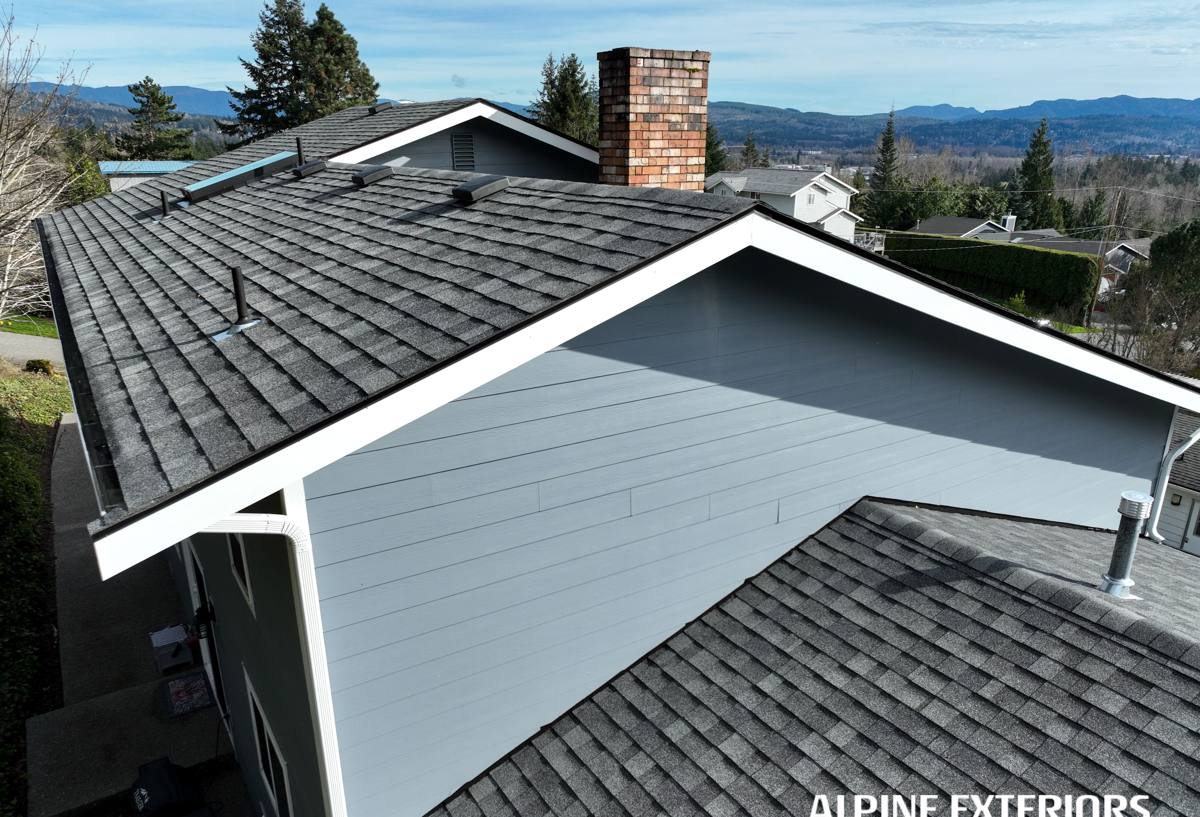
Why Barrier Island Roofs Wear Differently
Salt Air and Corrosion
Metal fasteners, flashing, drip edge, and exposed nail heads corrode faster this close to open salt water. A repair that only patches the visible shingle damage but ignores corroded flashing or fasteners underneath is a short-term fix. On Belleair Beach, we treat metal condition as part of every repair inspection, not an afterthought.
Wind-Driven Rain
Hurricane-force gusts don't just tear shingles — they drive rain sideways and upward, under laps and flashing that would stay dry in a normal storm. A lot of the leaks we're called out for on the island aren't from a missing shingle at all; they're from wind-driven water finding a gap at a wall, vent, or valley that a straightforward rainstorm would never reach.
Year-Round UV Exposure
Florida sun is intense everywhere, but a roof with no shade and constant reflected light and heat off the water ages a bit faster. Shingle granule loss, sealant strip breakdown, and brittle underlayment all show up sooner on exposed coastal roofs than on shaded inland ones.
Storm Frequency
Pinellas County sees tropical systems and severe summer thunderstorms most years, and Belleair Beach takes the first hit from anything moving in off the Gulf. Repairs here need to assume the next high-wind event is a matter of when, not if.
The Roof Repair Problems We See Most Often on Belleair Beach Homes
Shingle Roofs
Wind-lifted or missing shingle tabs, cracked or curling shingles from UV and heat cycling, and failed sealant strips that let wind get underneath the next row. Once a few tabs lift, the ones around them are usually compromised too, even if they still look attached.
Tile Roofs
Cracked or slipped tiles from wind uplift, and — more often the real culprit — failed underlayment beneath tiles that still look fine on the surface. Tile itself can last decades; the underlayment underneath it usually can't, especially on a coastal exposure.
Flashing and Penetrations
Flashing around chimneys, walls, skylights, and roof-to-wall transitions is one of the most common leak sources we find, and corrosion from salt air accelerates the failure. Pipe boots and vent collars also dry out and crack faster in this climate than manufacturers' general guidance assumes.
Soffit, Fascia, and Edge Damage
Wind-driven rain that gets past the roof edge often shows up first as staining or soft spots at the fascia and soffit, well before there's a visible leak inside the house. This is one of the easier problems to catch early if someone knows what to look for.
What a Correct Roof Repair Actually Involves
A roof repair that's done right isn't just replacing what's visibly broken. On a barrier island roof, it means:
- Inspecting the full extent of the damage, not just the spot where the leak showed up inside — water travels before it drips
- Checking the underlayment condition around the repair area, since surface damage often means the layer underneath has already been wet
- Evaluating flashing and fastener condition for salt corrosion, not just for whether they're currently holding
- Matching shingle or tile color and profile as closely as possible so the repair doesn't stand out
- Re-sealing and re-fastening according to wind-resistance standards appropriate for coastal exposure, not just minimum code
- Documenting what was found and repaired, which matters for insurance and for future maintenance decisions
Skipping any of these steps is how a "repaired" roof ends up leaking again in the next storm season.
Repair or Replace? How We Help You Decide
Not every damaged roof needs full replacement, and not every roof that looks rough from the ground is actually in bad shape underneath. We look at the whole picture before recommending either path.
| Factor | Leans Toward Repair | Leans Toward Replacement |
|---|---|---|
| Age of roof | Well within expected service life | At or past expected service life for the material |
| Damage extent | Localized to one area or slope | Spread across multiple sections |
| Underlayment condition | Dry and intact where checked | Saturated, deteriorated, or unknown in several spots |
| Storm history | First reported issue after a specific event | Repeated leaks or repairs over recent years |
| Material availability | Matching shingle/tile still obtainable | Discontinued material forcing a mismatched patch |
Cost is always a factor too. A targeted repair is almost always cheaper up front than a replacement, but if a roof is already near the end of its service life, repeated repair costs can add up to more than a replacement would have — that's part of the honest conversation we have with you before any work starts.
How Our Belleair Beach Repair Process Works
The process is straightforward, and we keep it that way on purpose:
- We inspect the roof, including the areas around the reported problem, not just the problem spot itself
- We explain what we found in plain terms — what's causing the issue and what a proper fix requires
- We give you a written estimate before any work begins, including repair scope and, if relevant, a replacement comparison
- We complete the repair using materials and fastening appropriate for coastal wind and salt exposure
- We walk the finished repair with you so you know exactly what was done
Because we already work regularly in Belleair Beach and the surrounding Pinellas County barrier island area, we're familiar with the access conditions, HOA or community expectations, and the general building patterns out here — that familiarity saves time on every job.
Materials and Fastening: Our Standard for Coastal Roofs
For repair work this close to open water, we hold to a higher standard than the bare minimum, and we're upfront about why:
- Corrosion-resistant fasteners and flashing — standard-grade metal fails faster in salt air, so we use materials rated for coastal exposure whenever a repair involves new metal
- Wind-rated sealants and adhesives — products chosen for actual holding strength in sustained coastal wind, not just code minimums
- Proper underlayment at every opened section — if we open up an area for repair, we don't re-close it over questionable underlayment
- Matched materials where possible — a repair that blends in rather than creating a visible patchwork look on the roof
We're also honest when a particular product or approach isn't the right fit for a given roof — sometimes that's about moisture behavior, sometimes it's installation sensitivity, and sometimes it's simply a maintenance trade-off worth knowing about before you commit to it.
Signs Your Belleair Beach Roof Needs Repair Now
Some roof problems are obvious. Others aren't — and on a coastal roof, the ones that aren't obvious are often the ones costing you the most in slow, hidden damage. Watch for:
- Missing, lifted, or curling shingles, especially after any wind event
- Cracked, slipped, or displaced roof tiles
- Water stains on interior ceilings or walls, even faint ones
- Visible rust streaks or corrosion around flashing, vents, or fasteners
- Soft spots, discoloration, or peeling paint at soffits and fascia
- Granules collecting in gutters in noticeably larger amounts
- Daylight visible through the attic roof deck
- A musty smell in the attic that wasn't there before
If you're seeing any of these, it's worth having someone look at it before the next storm, not after.
Why It Matters That We Already Work This Area
A roofing crew that mostly works inland neighborhoods and occasionally takes a barrier island job doesn't build the same instincts as one that's out here regularly. Knowing how Belleair Beach roofs actually fail — where wind-driven rain tends to find its way in, how fast salt air corrodes exposed metal, which repair shortcuts don't hold up through a real storm season — comes from doing the work here repeatedly, not from a general roofing background applied to a coastal address after the fact. We're a Largo-based crew, and Belleair Beach is part of our regular service area, not a special trip.
Get a Free, No-Pressure Roof Repair Estimate
If you've got a leak, storm damage, or a roof issue you're not sure how serious it is, we're glad to take a look. There's no pressure and no obligation — just a straight answer about what's going on and what it would take to fix it right. Use the form below to request your free estimate.