 Largo Siding
 Why Clearwater-Area Roofs Wear Out Faster Than People Expect
Homes in and around Clearwater sit in one of the more demanding climates in the country for a roof to survive. It isn't one single problem — it's four of them working on the shingles at the same time, year-round. Hurricane-force wind events test the fastening and sealing of every shingle course. Intense, near-constant UV exposure bakes asphalt shingles from above, breaking down the asphaltic binders that keep granules attached and the mat flexible. Wind-driven rain gets pushed sideways and upward under normal circumstances that would keep water out on a calmer roof further inland. And salt air drifting off the Gulf accelerates corrosion on every exposed metal component — nails, flashing, vents, and drip edge alike.
None of these factors is unique to Clearwater on its own. What makes local roofs age differently is the combination, applied continuously, for the entire life of the roof. A shingle roofing system that would perform fine in a drier, cooler, inland climate can underperform here if it's specified or installed the same way. That's the core of what a local crew builds toward: not a "roof," but a roof matched to this specific set of stresses.
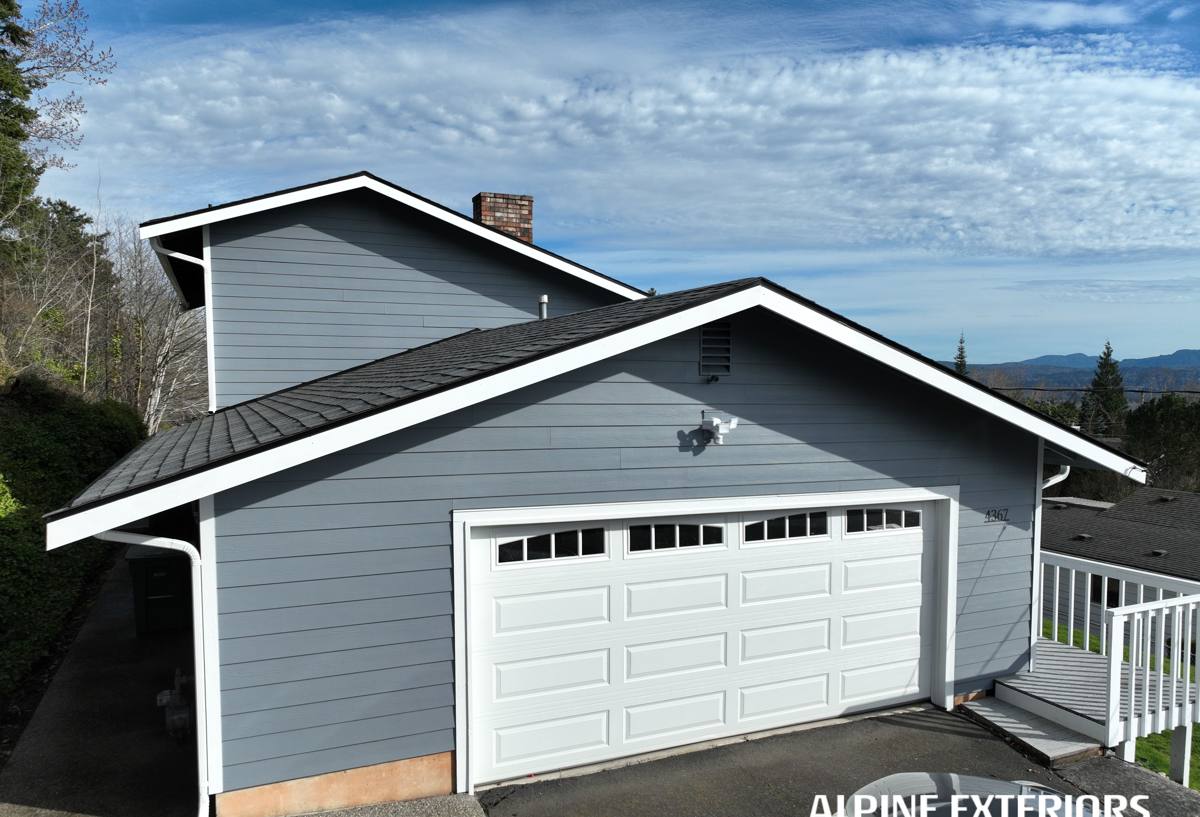
What a Correct Asphalt Shingle Roof Needs in This Climate
A correctly installed asphalt shingle roof in the Clearwater area isn't just about the shingle brand on the wrapper. Several details matter more here than they would in most of the country:
Wind Rating and Fastening
Shingles are rated for wind resistance based on how they're tested and how they're fastened — nail count, nail placement, and whether the sealant strip has been given time and heat to properly bond. Pinellas County's building code reflects the local wind exposure, and installation has to match the manufacturer's high-wind fastening pattern, not the minimum pattern used in calmer regions. Skipping from six nails to four, or placing nails outside the manufacturer's nailing zone, is a common shortcut that shows up during the next major wind event, not the next rain.
Underlayment and Water Management
Because wind-driven rain here can travel sideways and work its way under shingle tabs, the underlayment layer beneath the shingles does real work, not just backup duty. Synthetic or self-adhering underlayment at valleys, eaves, and penetrations gives the roof a second line of defense when wind lifts a shingle edge during a storm.
Flashing and Penetrations
Every pipe boot, vent, skylight curb, and wall transition is a place water can get in if the metal flashing and sealant aren't detailed correctly. Salt air corrodes cheap or under-gauge flashing faster than it would inland, so material choice at these details matters more here than in a lot of the country.
Attic Ventilation
Florida sun heats attic spaces hard. Without balanced intake and exhaust ventilation, that heat gets trapped under the deck, which shortens shingle life from underneath and can void manufacturer warranties that require proper ventilation as a condition of coverage.
Signs a Clearwater-Area Roof Needs a Closer Look
Most shingle roof failures here don't happen all at once — they show early signs first. Worth checking for, or having a crew check for you:
- Granules collecting in gutters or at downspout discharge points
- Shingle edges that look curled, cupped, or lifted, especially on south- and west-facing slopes
- Cracked or brittle shingles, particularly on older roofs that have been through several UV seasons
- Missing shingles or exposed nail heads after a wind event, even a moderate one
- Rust streaking below metal flashing, vent stacks, or valleys
- Soft spots in the decking felt underfoot, or sagging visible from the ground
- Water stains on interior ceilings, especially near chimneys, skylights, or exterior walls
- Visible daylight through the attic deck at any seam or penetration
Any one of these on its own isn't necessarily an emergency, but it's worth a professional look before the next storm season rather than after.
Asphalt Shingle Options for This Climate
Not every asphalt shingle product is built the same, and the right choice depends on budget, wind exposure of the specific home, and how long the homeowner plans to stay in it. Here's how the common options compare for coastal Pinellas County conditions:
| Shingle Type | Typical Wind Rating | Best Fit | Trade-Offs |
|---|---|---|---|
| 3-tab (standard) | Lower end of rated range | Budget-conscious re-roofs, rental or transitional properties | Shorter service life in this climate; less impact and UV resistance |
| Architectural / dimensional | Mid to upper range | Most owner-occupied homes in the area | Higher upfront cost than 3-tab, but better wind and UV performance over time |
| Impact-rated (Class 4) | Highest available in asphalt shingle category | Homes seeking maximum wind/hail resistance and possible insurance credit | Highest material cost; check with your insurer on the actual discount before assuming payback |
We don't push one tier on every home. The right call depends on the roof's exposure, the home's age and structure, and what the homeowner actually wants out of the investment — years of service, insurance considerations, or a specific look.
How Our Installation Process Works
A shingle roof is only as good as the layers underneath it that nobody sees once the job is done. Our process on Clearwater-area homes generally follows this order:
- Inspection and tear-off. Old shingles and underlayment come off down to the deck so we can actually see what's there, not guess at it.
- Deck assessment and repair. Soft, rotted, or delaminated decking gets replaced before anything new goes down. Roofing over a compromised deck just hides the problem.
- Underlayment installation. Synthetic or self-adhering underlayment goes down per manufacturer spec, with extra attention at valleys, eaves, and low-slope transitions.
- Flashing and penetrations. New flashing at walls, chimneys, and vent stacks; new pipe boots rather than reusing old ones that have already been baking in the sun for years.
- Shingle installation. Installed to the manufacturer's high-wind nailing pattern, not a generic minimum pattern.
- Ventilation check. Intake and exhaust ventilation confirmed or corrected so the new roof isn't fighting trapped heat from day one.
- Final walkthrough and cleanup. Site cleaned of debris and nails, and we walk the finished roof with the homeowner before calling it done.
What Affects the Cost of a Shingle Roof Here
Every roof is priced on its own specifics, but the main variables tend to be the same across most Clearwater-area homes:
| Factor | Why It Matters |
|---|---|
| Roof size and number of layers to remove | More square footage and tear-off work means more labor and disposal |
| Roof complexity | Valleys, dormers, and steep pitches take longer to flash and shingle correctly |
| Deck condition | Rotted or delaminated plywood found during tear-off adds material and labor |
| Shingle tier chosen | 3-tab, architectural, and impact-rated products carry different material costs |
| Ventilation and code upgrades | Bringing older ventilation or flashing details up to current code standards |
We give homeowners a written estimate that spells out these variables rather than a single number with no explanation behind it, so it's clear what's driving the price.
Why a Crew That Already Works Clearwater and Largo Matters
Roofing crews that work this specific area regularly build habits that generic or out-of-area crews don't. They know what Pinellas County's permitting and inspection process actually expects, which cuts down on delays and re-inspections. They've dealt with the county's wind mitigation documentation, which matters for insurance — a properly documented roof installation can support wind mitigation credits on a homeowner's policy, but only if the paperwork and installation details line up correctly the first time.
A local crew also has a track record of coming back. Roofing has a long tail — questions come up a year or five years later, whether that's a minor warranty item or a question about a repair after a storm. A contractor based in the area, working other roofs in the same neighborhoods, is easier to reach and has more reason to stand behind the work than a crew that showed up from out of state chasing storm damage and left after the season.
Maintenance and Insurance Considerations
Asphalt shingle roofs in this climate benefit from periodic attention rather than being ignored until there's a leak. A simple annual or post-storm visual check — from the ground or by a professional — catches lifted shingles, damaged flashing, or clogged valleys before they turn into interior damage. Keeping gutters and valleys clear of debris also matters more here, since heavy seasonal rain needs a clear path off the roof.
On the insurance side, Florida's wind mitigation inspection process can affect premiums, and the roof's covering, deck attachment, and roof-to-wall connections are all part of that inspection. If wind mitigation credits matter to a homeowner, it's worth discussing during the estimate so the installation details and paperwork support it from the start, rather than trying to reconstruct that documentation later.
Get a Straightforward Estimate
If you're weighing a repair against a full replacement, or just want an honest read on where your current roof stands, we're glad to take a look. The estimate is free, there's no pressure attached to it, and you'll get a clear explanation of what we find and what it would take to fix it — use the form below to get started.