 Largo Siding
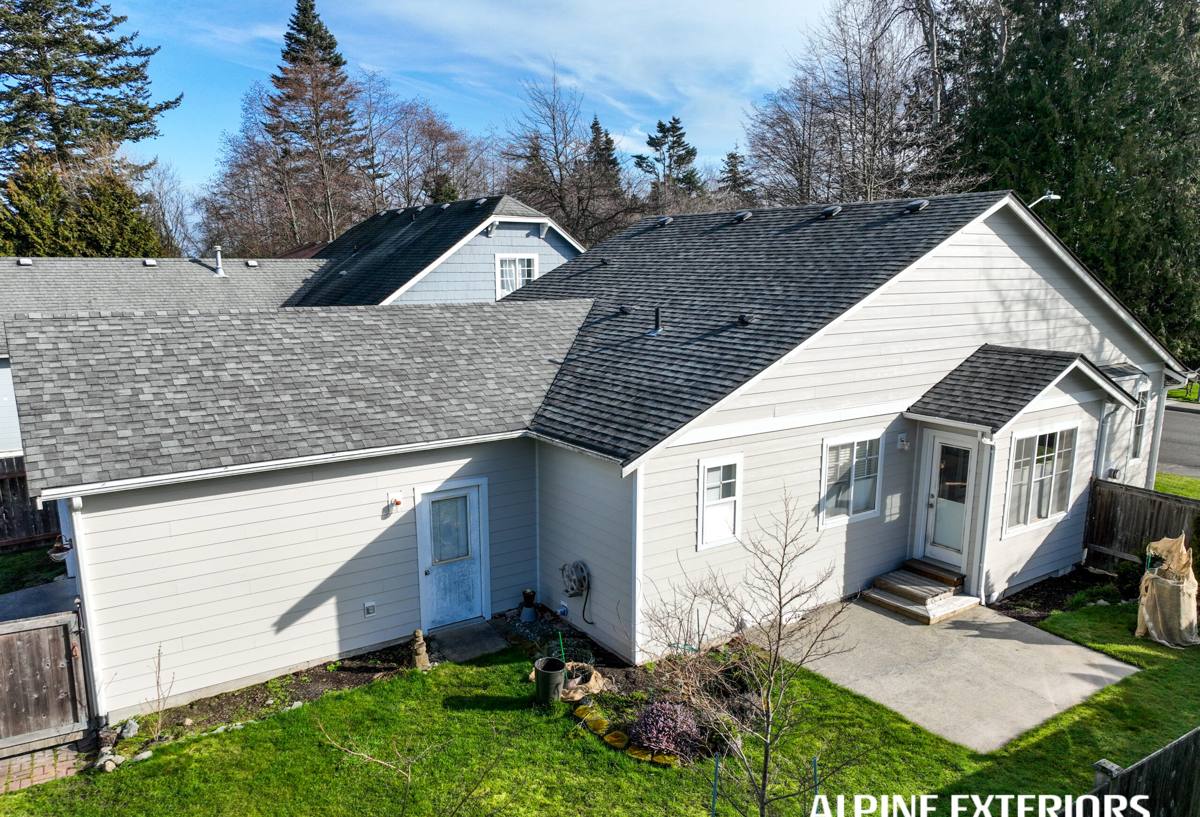
 Asphalt Shingle Roofing for Belleair Homes
Belleair sits right up against the Intracoastal Waterway in Pinellas County, and that location shapes what a roof has to survive here. Homes in this area sit closer to open water and salt spray than most inland Largo neighborhoods, which means the roofing decisions that work fine twenty miles inland don't always hold up the same way a few blocks from the water. An asphalt shingle roof installed correctly for Belleair's conditions can give a homeowner fifteen to twenty-five years of reliable service. One installed with shortcuts — thin underlayment, missed nailing patterns, skipped flashing details — can start showing problems in five.
This page is specifically about asphalt shingle roofing in Belleair: what the local climate demands, what a correct installation actually involves, and how we approach the work. It's not a general roofing overview — it's the version of that conversation we'd have standing on a Belleair roof.
What Belleair's Climate Does to a Roof
Four things wear on a roof here more than almost anywhere else in the country, and they don't take turns — they overlap for most of the year.
Hurricane-Force Wind
Pinellas County sits in a wind zone that requires roofing materials and installation methods rated for sustained high winds, not just occasional gusts. Shingles that lift at the tab edge during a summer storm rarely fail all at once — they loosen a little more each time, and the next storm finishes the job. The fix isn't a heavier shingle by itself; it's correct nailing, proper sealing, and starter strips and ridge caps installed to spec.
Year-Round UV Exposure
Florida sun is harder on roofing than the UV load in most of the country, and it doesn't ease up in winter the way it does farther north. UV breaks down the asphalt binders in a shingle over time, which is what eventually causes granule loss, brittleness, and cracking — long before a shingle reaches its rated lifespan if the product or ventilation was wrong for the climate.
Wind-Driven Rain
It's not just how much rain falls — it's the angle it falls at during a Gulf storm. Wind-driven rain gets pushed sideways and upward under shingle edges, around vents, and into any flashing gap that wouldn't leak in a straight downpour. This is where most "mystery leaks" actually originate, and it's why flashing detail work matters as much as the shingles themselves.
Salt Air
Being close to the water means metal roofing components — flashing, vent stacks, fasteners, drip edge — are exposed to salt-laden air that accelerates corrosion. Fasteners and flashing that would last decades a few miles inland can start corroding noticeably sooner in Belleair. Material choice on the metal components matters as much as the shingle brand.
What a Correct Asphalt Shingle Roof Involves
An asphalt shingle roof is a system, not a single product. Every layer has a job, and skipping or shortcutting one weakens the whole assembly.
Deck Inspection and Prep
Before anything goes down, the roof deck itself needs to be sound — no soft spots, no rot, no delaminated plywood. Installing new shingles over a compromised deck just hides a structural problem under new material, and it's one of the most common shortcuts we see in this trade.
Underlayment and Water Barrier
In a climate with this much wind-driven rain, underlayment isn't a formality. A synthetic or self-adhering underlayment, installed with proper overlap and sealed at penetrations, is the roof's actual last line of defense if wind ever lifts a shingle edge during a storm. Along eaves and valleys — the areas most exposed to driven water — a self-adhered ice-and-water-style membrane (used here for storm protection rather than ice) gives an extra sealed layer.
Flashing Details
Chimneys, walls, skylights, and roof-to-wall transitions are where the large majority of leaks actually start — not in the open field of shingles. Correct step flashing, counter-flashing, and sealant work at these transitions takes more time than the shingle installation itself, and it's the detail most often rushed on a lowball job.
Nailing Pattern and Wind Rating
Shingle wind ratings are only real if the installation matches the manufacturer's nailing pattern for our wind zone — correct nail count, correct placement, correct fastener type. Six nails per shingle instead of four, placed in the manufacturer's specified nail zone, is a small labor difference that makes a large difference in whether shingles stay put in a named storm.
Ventilation
A hot, poorly ventilated attic bakes the underside of shingles and shortens their life regardless of product quality. Balanced intake (soffit) and exhaust (ridge or box vents) ventilation keeps attic temperatures in check, which protects both the shingles and the energy efficiency of the home underneath them.
Choosing the Right Shingle for a Belleair Home
Not every asphalt shingle product is built for the same conditions. Here's how the common categories compare for a coastal Pinellas County home:
| Shingle Type | Typical Wind Rating | Best Fit For | Trade-Offs |
|---|---|---|---|
| 3-Tab (Standard) | Lower end of rated range | Budget-conscious re-roofs, secondary structures | Thinner profile, generally shorter service life in high-UV, high-wind coastal exposure |
| Architectural / Laminated | Mid-to-high rated range | Most Belleair primary residences | Heavier, more layers, better wind performance and appearance; higher material cost |
| Impact-Rated Architectural | High rated range, plus impact class | Homes prioritizing storm resilience and possible insurance credit | Higher upfront cost, may qualify for wind-mitigation insurance discounts |
For most homes in this area, we steer the conversation toward architectural shingles rated for our wind zone, with impact-rated products as a serious option worth pricing out — the insurance premium impact alone is often worth evaluating before ruling it out on cost.
Underlayment and Metal Component Standards
Because of the salt-air factor, we also pay attention to what's specified for drip edge, flashing, and fasteners — not just the shingle brand. Corrosion-resistant metal and fasteners cost a little more up front and hold up considerably longer this close to the water.
How Our Process Works
The process is straightforward, but we don't skip steps to move faster.
- On-roof inspection. We walk the actual roof — deck condition, flashing points, ventilation, current shingle wear — rather than quoting from a photo or a satellite view.
- Honest scope and written estimate. You get a clear breakdown of what's being replaced, what materials are specified, and why — no vague line items.
- Tear-off and deck check. Old material comes off down to the deck so we can actually see what's underneath, not what's assumed to be underneath.
- Underlayment, flashing, and shingle installation to manufacturer spec and our wind zone's nailing requirements.
- Ventilation check to confirm intake and exhaust are balanced for the attic space.
- Final walk-through and cleanup, including a magnetic sweep for stray fasteners around the property.
Signs Your Belleair Roof Needs Attention
- Granules collecting in gutters or at downspout outlets
- Shingle edges that look curled, cupped, or lifted at the tab
- Visible cracking or bald patches where granules have worn away
- Dark streaking or persistent moisture staining on the roof surface
- Water stains on interior ceilings, especially near chimneys or wall transitions
- Missing shingles or exposed nail heads after a windstorm
- Soft or spongy spots when walking the roof deck
- Roof age approaching or past 15–20 years without a full inspection
Any one of these on its own isn't necessarily an emergency, but they're worth a professional look before the next storm season rather than after.
Repair or Full Replacement?
Not every issue means a new roof. The right call usually comes down to a few factors:
| Factor | Leans Toward Repair | Leans Toward Replacement |
|---|---|---|
| Roof age | Under 10–12 years | Approaching or past rated lifespan |
| Extent of damage | Isolated area (single leak, storm damage to one section) | Widespread granule loss, multiple leak points |
| Deck condition | Sound, no rot found | Soft spots or rot discovered during inspection |
| Insurance situation | Minor, out-of-pocket fix makes sense | Storm damage claim may cover full replacement |
We'll tell you honestly which side of that table your roof falls on — a repair that genuinely solves the problem is better for everyone than an upsell.
Permits, Codes, and Insurance in Pinellas County
Roofing work in Pinellas County requires a permit, and inspections check that the installation meets Florida Building Code wind-resistance requirements for our zone — this isn't optional paperwork, it's what keeps a roof performing when a named storm actually arrives. We handle the permitting process as part of the job rather than treating it as the homeowner's problem.
It's also worth understanding how a roof affects your insurance. A wind mitigation inspection, often done after a qualifying roof replacement, can document features like impact-rated shingles, proper nailing, and secondary water barriers — all of which can factor into premium discounts. We can point you toward what documentation matters; the wind mitigation report itself is completed by a qualified inspector.
Why Hire a Crew That Already Works in Belleair
Roofing crews unfamiliar with this specific stretch of coastline tend to default to generic, one-size-fits-all specs — the same underlayment and fastener package they'd use in a completely different climate. A crew that regularly works Belleair and the surrounding Largo area already knows the wind zone requirements, has a working relationship with the county permitting process, and understands what salt exposure does to metal components over time. That local familiarity shows up in fewer surprises during inspection and fewer callbacks after the first big storm.
It also matters for response time. When storm damage happens, homeowners need someone who can get on the roof promptly for a tarp or emergency assessment — not a company working from an hour away with a backlog of unfamiliar territory to navigate first.
Get an Honest Look at Your Roof
If your roof is showing wear, coming up on age, or you just want a straight answer about its condition before hurricane season catches you off guard, we're glad to take a look. Fill out the form below for a free, no-pressure estimate — we'll walk the roof, tell you what we actually see, and lay out your options in plain terms.