 Largo Siding
 Windows Built for Oldsmar's Climate, Not Just Any Climate
Oldsmar sits on the water at the north end of Pinellas County, which means homes here take a specific kind of punishment. You've got sustained afternoon sun for most of the year, wind-driven rain that finds every gap in an aging window frame, tropical-system winds that test seals and anchoring, and salt-laden air drifting off Old Tampa Bay that corrodes hardware most inland homes never have to worry about. A window that performs fine in Ohio or even inland Florida can fail here years ahead of schedule. When we talk about window replacement for Oldsmar homes, we're talking about matching the product and the installation to those specific stresses, not just swapping old glass for new.
This page covers what that actually means: what tends to go wrong with older windows in this area, what Florida's building code requires for coastal Pinellas County, how we approach the job from first visit to final inspection, and why a crew that already works in and around Oldsmar catches things a stranger might not.
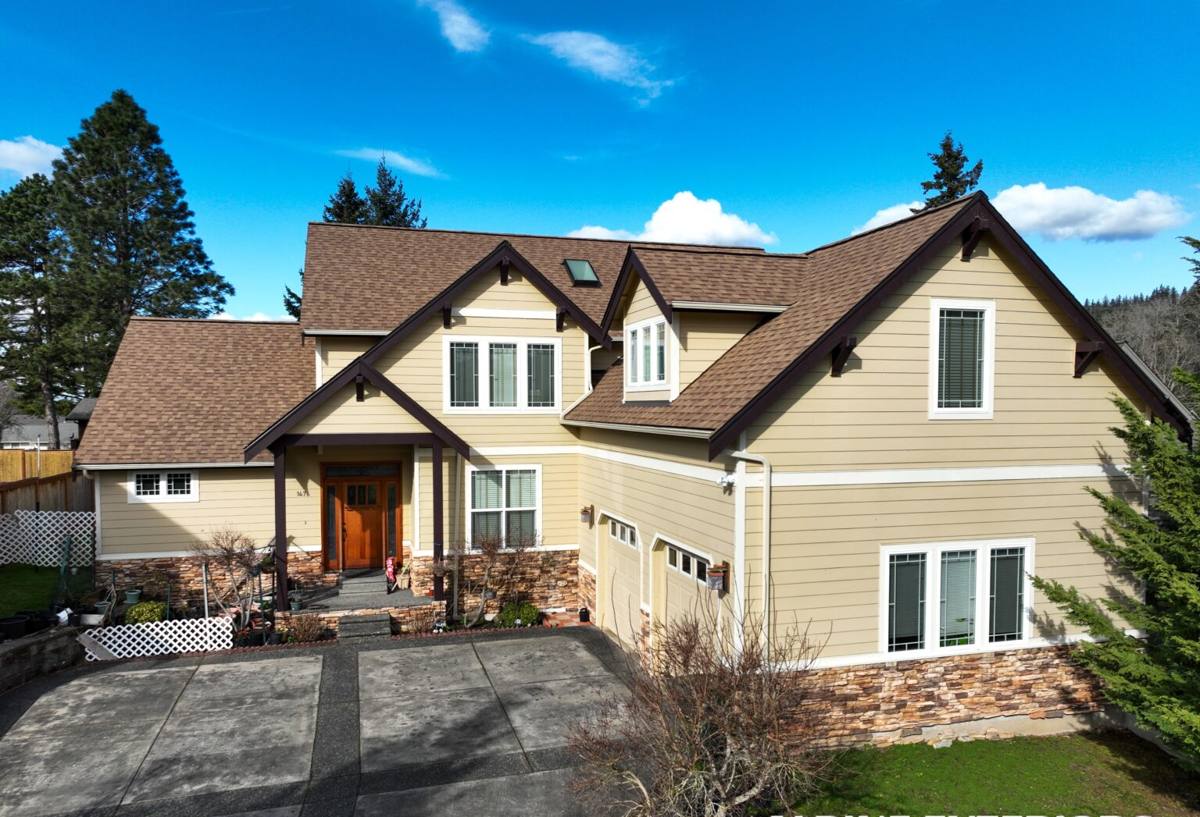
Signs an Oldsmar Home Needs Window Replacement
Windows rarely fail all at once. They give you warning signs first, and in this climate those signs show up faster than most homeowners expect. Worth checking for:
- Fogging or a permanent haze between panes on double-glazed windows — the seal has failed and moisture is trapped for good
- Frames that feel soft, chalky, or pitted, especially aluminum frames near the bottom track where water sits
- Difficulty opening, closing, or locking — swollen wood, warped vinyl, or corroded aluminum tracks are common culprits
- Visible daylight or a draft around the frame when the window is shut
- Rising energy bills without a clear cause, which often points to failed weatherstripping or single-pane glass working overtime against the sun
- Water staining or soft drywall below or beside the window after heavy rain — a sign wind-driven rain is getting past the flashing
- Chalky white residue or pitting on aluminum hardware, a classic sign of salt-air corrosion this close to the bay
Any one of these is worth a look. Several together usually means the window has reached the end of its useful life rather than needing a repair.
What Florida Building Code Actually Requires Here
Pinellas County isn't in the state's High-Velocity Hurricane Zone (that's Miami-Dade and Broward), but it is still a Wind-Borne Debris Region under the Florida Building Code, and Oldsmar's proximity to open water puts it squarely in that requirement. In practice, that means replacement windows need to meet a specific design pressure rating for the home's exposure category, and the glazing needs to either be impact-rated or paired with code-approved protection.
Impact-Rated Glass vs. Windows Plus Shutters
Homeowners have two code-compliant paths. The first is laminated impact-rated glass, which stays intact and in the frame even when struck by wind-borne debris — it's built into the window itself, so there's nothing to install or deploy before a storm. The second is standard glazing paired with approved storm shutters or panels, which is often less expensive up front but only works if the shutters are actually put up in time and are code-rated to match the opening. We'll walk you through both honestly, including the real trade-off: impact glass costs more at install but asks nothing of you when a storm is forecast; shutters cost less but only protect if someone's home to install them.
Permitting
Window replacement in Oldsmar and unincorporated Pinellas County requires a building permit, and the window itself needs a Florida Product Approval or Miami-Dade NOA number matching the design pressure for that specific opening. This isn't paperwork for its own sake — it's what protects you if there's ever an insurance claim or a future sale where the buyer's inspector asks for documentation. We pull the permit and handle the inspection as part of the job.
Choosing a Frame Material
The frame does as much work as the glass when it comes to standing up to salt air, UV, and storm-force wind. There's no single right answer for every home — it depends on your budget, your home's age, and how close you are to the water.
| Frame Material | Salt Air / Corrosion | UV & Sun Exposure | Maintenance |
|---|---|---|---|
| Vinyl | Won't corrode; good near the bay | Quality vinyl holds up well; cheap vinyl can yellow or warp over years of Florida sun | Low — no painting, occasional cleaning |
| Aluminum | Prone to pitting and corrosion in salt air over time without proper coating | Very durable structurally, but conducts heat | Moderate — hardware and finish need periodic attention |
| Fiberglass | Excellent — resists corrosion and doesn't expand/contract much with heat | Strong UV resistance, holds paint well | Low, but higher upfront cost |
| Wood-clad | Cladding protects the wood, but any breach in the seal invites rot in humid coastal air | Good with proper clad finish | Higher — needs monitoring where cladding meets frame |
For homes right around Oldsmar's shoreline areas, we lean toward vinyl or fiberglass for most budgets, simply because they don't corrode. Aluminum still has a place, especially where a slimmer sightline matters, but it needs a quality marine-grade finish to hold up long-term this close to the water.
Our Window Replacement Process
Assessment & Measurement
We start by looking at every opening individually — not just the glass, but the framing, the sill, and any signs of water intrusion or wood rot around the rough opening. Windows aren't one-size-fits-all, and an accurate measurement now avoids delays and re-orders later.
Product Selection
We walk through frame material, glass package, and impact-vs-shutter protection based on your home's exposure and your budget, and we'll tell you plainly if a cheaper option is a false economy for your specific situation.
Permitting
We handle the permit application and product approval documentation so the paperwork matches what's actually going in the wall.
Installation Day
Old windows come out carefully to avoid damaging the surrounding stucco, siding, or drywall. We check the rough opening for hidden rot or moisture damage before the new window goes in — this is the point where problems from years of wind-driven rain often surface, and it's better to find them now than after the new window is sealed in. Flashing and sealant go in per manufacturer spec and code, because a window is only as weather-tight as its installation, not just its glass.
Final Inspection & Walkthrough
Once the county inspector signs off, we walk the job with you, operate every window, and clean up the site. You should be able to open, close, and lock every window without a fight, and see a clean sealant line with no gaps.
Why a Crew That Already Works Oldsmar Matters
Oldsmar has a mix of housing stock — older homes from decades past with original aluminum single-pane windows, alongside newer construction already built to more current code. A crew that works this specific area regularly knows which era of home tends to have which problems, has a working relationship with the county permitting process, and isn't guessing at wind exposure ratings for a neighborhood they've never seen. That familiarity shows up in fewer surprises mid-project and a permit process that doesn't stall waiting on documentation nobody thought to prepare.
It also matters for something simpler: accountability. A crew based in Largo and working the surrounding Pinellas County communities regularly is easy to reach if a question comes up six months after the install, not a name from an out-of-town crew that moved on to the next county.
What Affects the Cost
We won't quote a number without seeing the home, but the main cost drivers on a window replacement project in this area are consistent:
- Number and size of openings, and whether any are custom or hard-to-source shapes
- Frame material chosen — vinyl and aluminum are generally more budget-friendly than fiberglass or wood-clad
- Impact-rated glass versus standard glass paired with shutters
- Condition of the existing rough openings — hidden rot or water damage found during removal adds labor
- Whether it's a straightforward retrofit into an existing opening or a full-frame replacement down to the studs
Most whole-home projects fall into a broad mid-range for standard vinyl or aluminum with impact glass, with fiberglass, larger openings, or extensive rough-opening repair pushing toward the higher end. We'll give you a real, itemized number after we've actually measured and inspected your windows.
Living With Your New Windows in a Salt-Air Climate
Even a well-installed window benefits from a little upkeep in this environment. Rinse frames and tracks periodically to clear salt residue before it has a chance to sit and pit the finish, especially on aluminum hardware. Check weep holes at the bottom of the frame to make sure they're clear so water can drain out rather than pooling. And keep an eye on the exterior sealant line each year — caulking is a wear item, and catching a cracked bead early is a lot cheaper than dealing with water intrusion later.
If your Oldsmar home has windows showing any of the signs above, or you're just ready to stop fighting swollen frames and fogged glass every storm season, we're glad to come take a look. The estimate is free, there's no pressure, and you'll walk away with a straight answer about what your windows actually need — just fill out the form below to get started.