 Largo Siding
 A Barrier-Island Home Takes More Punishment Than Most
Indian Rocks Beach sits on a narrow barrier island on the Gulf side of Pinellas County, just west of Largo, and that location changes what a siding job actually has to accomplish. Homes here face salt-laden air moving off the Gulf almost constantly, direct sun with very little tree canopy to break it up, wind-driven rain that comes in sideways during summer storms, and the real possibility of hurricane-force wind loads for several months of the year — all four stresses in a more concentrated form than almost anywhere else in the county.
We work throughout the Largo area, and Indian Rocks Beach comes up constantly because it's one of the toughest micro-climates we install in. A lot of the housing stock here is older, and a lot of it was sided with whatever was standard decades ago — materials that were never engineered for this specific combination of sun, salt, and storm exposure. This page walks through what that exposure actually does to a home's exterior, what a correct siding installation looks like on this island, how our process works, and why we install exclusively James Hardie fiber cement rather than vinyl, engineered wood, or other fiber cement brands.
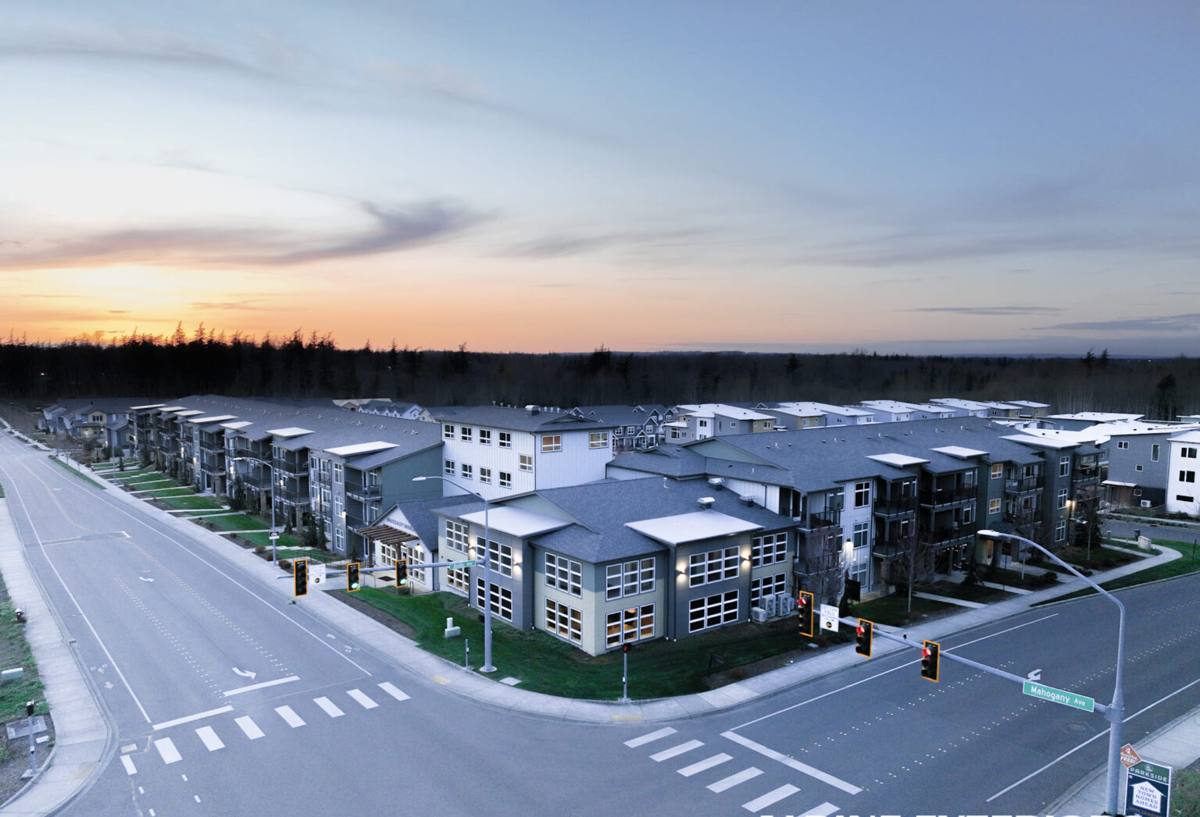
What Gulf-Front Exposure Does to Siding, Stressor by Stressor
Intense, Year-Round UV
Florida's sun angle and day length mean walls here absorb far more cumulative UV exposure per year than siding in most of the country. On lower-grade paints and coatings, that UV load breaks down pigment binders steadily, which is why so many older homes on this island show chalky, faded siding on their south- and west-facing walls years before the shaded side of the same house looks worn. It isn't a manufacturing defect in most cases — it's the math of direct, near-constant sun exposure on a coating that wasn't built to take it.
Wind-Driven Rain
Ordinary vertical rain is easy for almost any siding to shed. Rain pushed sideways by 40, 50, or 60-plus mph wind is a different problem — it finds gaps at butt joints, fastener penetrations, and trim intersections that would stay bone dry in a calm rainstorm. Over a season or two of Gulf storms, homes with marginal flashing or aging caulk lines start showing water intrusion at exactly those weak points, often well before any damage is visible from the street.
Salt Air
Being directly on the Gulf means airborne salt settles on every exterior surface on the island, continuously, not just after a storm. Salt accelerates corrosion on exposed metal fasteners and trim, and over years it can interact with lower-quality coatings and adhesives in ways that shorten their working life. It's a slow, cumulative effect rather than a dramatic one, which is why it often goes unnoticed until repairs are already needed.
Hurricane-Force Wind
Beyond the day-to-day wear, this barrier-island location sits toward the higher end of Pinellas County's wind zone map, since open water exposure generally means higher design wind speeds than an inland lot in the same county sees. Siding here has to be fastened, lapped, and flashed to hold up under sustained wind loads and flying debris, not just to look good on a calm day. A product and installation method that would be fine further inland can fall short here.
Why We Install Only James Hardie Fiber Cement Here
We standardized on James Hardie fiber cement across every job we do, and on a barrier island like this one that decision matters more than it would somewhere with a milder climate. Hardie's engineered fiber cement is non-combustible, dimensionally stable in humidity swings, and backed by a factory-applied ColorPlus finish cured under controlled conditions rather than painted on-site at the mercy of weather. We don't install vinyl siding, LP SmartSide or other engineered wood products, primed spruce or cedar, or other fiber cement brands like Cemplank or Allura — not because those products have no legitimate use anywhere, but because we've made a professional judgment that Hardie's combination of moisture performance, finish durability, and climate-specific engineering is the standard we're willing to put our name behind on Gulf Coast homes.
Vinyl siding can soften and warp under this island's sustained direct sun, and its expand-and-contract fastening system becomes more of a liability than a feature in high-wind conditions. Engineered wood products depend on an intact factory coating to keep moisture out, and a breach at a cut edge or fastener hole becomes a slow-moving problem in a climate this humid and salt-heavy. None of that means those products have no place anywhere — it means we've drawn a line based on what actually holds up here, and Hardie fiber cement is on the right side of it for the way we build.
Matching the Right Hardie Line and Profile to a Beach Home
James Hardie doesn't make one universal product — it engineers different formulations for different climate zones, and getting that match right matters as much as the installation itself.
HZ5 and HZ10 Formulations
Hardie's HZ product lines are engineered for moisture and humidity exposure rather than the freeze-thaw cycling that drives product choice further north. Central and Gulf Coast Florida generally call for the HZ5 or HZ10 formulation depending on the specific product and local requirements, and we confirm the correct specification for your home during the estimate rather than assuming a one-size-fits-all board is close enough.
Profile and Texture
Most Indian Rocks Beach homes we work on end up with either HardiePlank lap siding for a traditional coastal look or a shingle or board-and-batten profile for more architectural character on gables, dormers, or accent walls. Texture matters too — a smooth finish reads crisper and shows more sheen in direct sun, while a cedarmill texture reads more traditional and diffuses glare a bit better on walls that take the brunt of afternoon light.
ColorPlus Factory Finish
We steer most homeowners toward ColorPlus factory-finished boards rather than field-painted primed boards, specifically because of this climate. A factory-cured finish applied under controlled conditions resists the fading, chipping, and salt-related wear that field-applied paint struggles with here, and it carries its own finish warranty separate from the substrate warranty on the board itself.
What a Correct Installation Actually Involves
Siding installation isn't just fastening boards to a wall — on a barrier island, the details underneath the visible surface determine whether the job holds up through the first real storm season or fails quietly behind a finish that still looks fine.
Tear-Off and Substrate Inspection
Every re-side starts with removing the existing siding down to the sheathing — the only real opportunity to see what's actually going on underneath. On older homes here, that's often where hidden moisture damage or rot around window and door openings turns up, problems that would have undermined even a perfect siding job installed over the top of them. Any compromised sheathing gets replaced before anything new goes up.
Weather-Resistive Barrier and Flashing
A correctly installed weather-resistive barrier goes over the sheathing before any siding, lapped and taped so water is directed out and down rather than trapped behind the wall. Flashing at every window, door, and roofline intersection is what actually stops wind-driven rain from finding its way behind the siding — the detail that separates a wall that stays dry through a tropical storm from one that doesn't, and it's invisible once the job is finished.
Fastening to Wind Load
Fastener type, spacing, and penetration depth all have to match Hardie's published specifications for the wind zone the home sits in, not a generic pattern used everywhere. On a barrier-island lot with open Gulf exposure, that usually means tighter fastener spacing and corrosion-resistant fasteners rated for coastal use, since standard fasteners are exactly the components salt air attacks first.
Joint and Trim Detailing
Butt joints, corners, and trim transitions are where most siding failures start, since they're the places water has the most opportunities to get behind the surface. Correct gapping, proper caulking only where it belongs, and manufacturer-spec trim details are what keep those transitions dry for the life of the siding rather than becoming the first spot that fails.
A Homeowner's Checklist for What to Expect
- Full tear-off to the sheathing, not installation over existing siding
- A documented substrate inspection with photos of any rot or moisture damage found and repaired
- A weather-resistive barrier installed and lapped correctly before any siding goes up
- Flashing at every window, door, and roofline intersection
- Fastener type and spacing that matches Hardie's specification for this wind zone
- The correct HZ formulation and profile confirmed for your specific address
- A written scope that specifies product line, color, and finish before work begins
- A final walkthrough where the contractor points out the details, not just the finished color
Permits, Code, and Barrier-Island Considerations
Siding work on Indian Rocks Beach has to meet Pinellas County's building code, which sets wind load and fastening requirements from the county's wind zone maps rather than a generic national standard — and open, Gulf-facing lots typically fall toward the higher end of whatever range applies locally. We pull the required permits and install to those actual local requirements. Flood zone designation and elevation can also factor into how certain exterior work is scoped on a barrier-island property, which is another reason it helps to work with a contractor already familiar with how this stretch of coastline gets permitted, rather than one working from a generic statewide checklist.
Our Process, Start to Finish
- Free on-site estimate: we inspect your current siding's condition, check for signs of hidden moisture, and talk through which Hardie product line and profile fits your home and budget
- Written scope and proposal specifying product, color, fastening approach, and a straightforward number — not a lowball figure that grows once work starts
- Permitting through Pinellas County before any work begins
- Tear-off and substrate inspection, with any sheathing repair addressed and documented before new material goes up
- Weather barrier, flashing, and siding installation to manufacturer spec for this wind zone
- Final walkthrough covering the completed work and what routine maintenance looks like going forward
What Siding Installation Costs and What Drives the Number
Every home is different, but the factors that move a siding estimate up or down on Indian Rocks Beach tend to be the same handful of variables. We walk through these specifically during the estimate rather than quoting a number without explaining what's behind it.
| Cost Factor | Why It Matters Here |
|---|---|
| Home size and number of stories | More square footage and multi-story access both add material and labor time |
| Condition of existing sheathing | Hidden rot or moisture damage found during tear-off adds repair work before new siding can go up |
| Product line and profile | Lap siding, shingle profiles, and board-and-batten all carry different material and labor costs |
| Trim and architectural detail | Homes with more windows, gables, and trim transitions require more flashing and detail labor |
| Wind zone fastening requirements | Coastal, open-exposure lots often call for tighter fastener spacing and coastal-rated hardware |
| Finish choice | Factory ColorPlus finish versus a primed board meant for field painting affects both cost and long-term maintenance |
Why Hiring a Crew That Already Works This Island Matters
Barrier-island jobs aren't the same as inland jobs, and crews that mostly work further from the water can miss details that matter here — fastener corrosion resistance, flood zone considerations, the difference between an open Gulf-facing wall and a shielded one. We work throughout the Largo area and see Indian Rocks Beach regularly enough to know what its housing stock tends to need: older homes with siding well past the point where cosmetic touch-ups solve anything, salt-air wear patterns that show up in predictable places, and wind exposure that calls for real attention to fastening and flashing detail. A crew that already understands those patterns can flag problems during the estimate instead of discovering them mid-project.
If you're on Indian Rocks Beach and thinking about siding — whether you're dealing with visible damage, planning ahead of the next storm season, or just tired of maintaining a product that was never right for this climate — we're happy to come take a look and put together a free, no-pressure estimate using the form below.