 Largo Siding
 Why Belleair Windows Wear Out Faster Than Windows Inland
Belleair sits close to the Gulf, and that proximity to open water is exactly what makes window replacement here a different job than it is fifty miles inland. Salt-laden air corrodes metal hardware, hinges, and screen frames years before they'd fail in a drier climate. Constant UV exposure breaks down vinyl frames, weatherstripping, and low-E coatings faster than most manufacturers' warranties assume. Add in wind-driven rain that gets pushed sideways during summer storms, and any weak point in a window's seal becomes a path for water intrusion rather than a minor nuisance.
Then there's wind. Pinellas County sits in a high-velocity hurricane zone, and homes throughout the Largo area, including Belleair, are built to wind-load standards most of the country never has to think about. A window that looks fine from the curb can still be under-rated for the pressures it needs to withstand, or installed in a way that quietly undermines the rating it was built with.
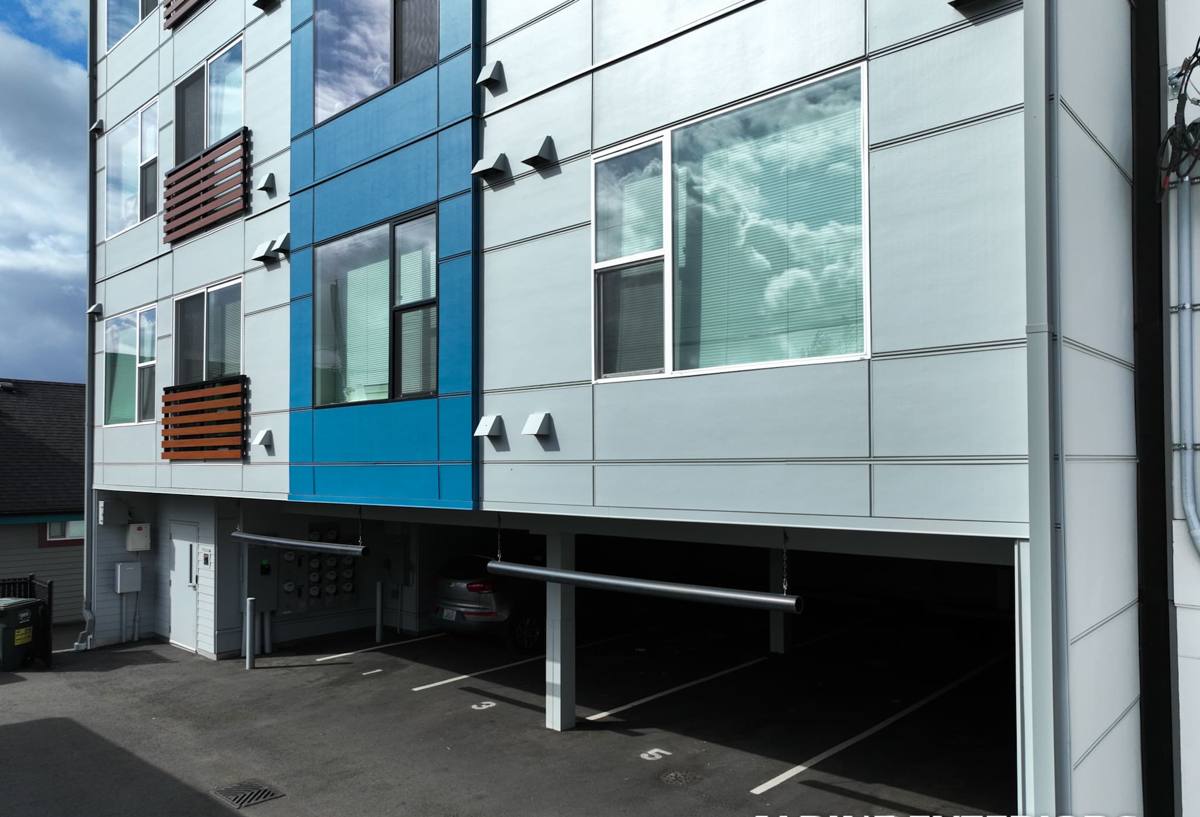
Signs Your Belleair Home Is Ready for Replacement Windows
Most homeowners don't replace windows because they woke up wanting new ones — they replace them because something started going wrong. Here's what we look for during an inspection, and what you can check yourself:
- Fogging or moisture between panes — a failed seal on double-pane glass
- Frames that feel soft, chalky, or show visible pitting from salt exposure
- Windows that are difficult to open, close, or lock, often a sign the frame has shifted or hardware has corroded
- Visible daylight or a draft around the frame when the window is closed
- Water staining on interior walls or sills below or beside the window
- Rising energy bills with no other clear explanation
- Rattling or whistling during windy weather
Any one of these on its own might just need a repair. Several at once, especially on a home that's had its original windows for fifteen to twenty years or more, usually means replacement is the more cost-effective move.
What a Correct Window Replacement Actually Involves
A window is only as good as its installation. We've seen well-built, properly rated windows fail within a couple of years because they were set into the rough opening without the right flashing, shimming, or sealant — and we've seen more modest windows perform for decades because the installation was done right the first time. For a Belleair home, the details that matter most are the ones you won't see once the trim goes back on:
- Rough opening prep — confirming the opening is square, sound, and free of rot or moisture damage before anything new goes in
- Flashing — a proper drainage path so any water that gets past the outer seal has somewhere to go besides your wall cavity
- Sealant selection — exterior, coastal-grade sealant and backer rod, not general-purpose caulk that cracks and shrinks within a season or two
- Fastening to the manufacturer's specified pattern — this is what actually delivers an impact-rated window's rated performance; skipped fasteners or wrong spacing quietly voids the protection you paid for
- Finish work — trim, caulking, and paint lines that look clean and keep water from finding a way in around the edges
This is also why we pull permits and schedule inspections rather than treating them as paperwork to avoid. An inspector checking fastener spacing and flashing is a second set of eyes confirming the installation actually meets the rating on the label — that matters for your safety and for how a claim gets handled down the road.
Choosing the Right Frame Material for a Home Near the Water
Frame material has a bigger effect on long-term performance in Belleair's coastal air than most homeowners expect:
| Frame Material | Salt Air / Moisture Resistance | Maintenance | Notes for Belleair Homes |
|---|---|---|---|
| Vinyl | Good — won't corrode or rust | Low; occasional cleaning | Most common local choice; UV-stable formulations hold color better under constant sun |
| Aluminum | Fair — can corrode over time without proper coating | Moderate; watch hardware for pitting | Slim sightlines are appealing, but coastal-grade coating matters more here than inland |
| Fiberglass / composite | Excellent — very stable in heat and humidity | Low | Higher upfront cost, strong long-term value for full Gulf exposure |
| Wood / wood-clad | Poor without diligent upkeep | High; regular refinishing needed | We generally steer Belleair clients away from unclad wood exteriors — the maintenance burden in this climate is real, and moisture behavior at the joints is unforgiving |
There's no single right answer for every home — it depends on your budget, the home's style, and how much upkeep you actually want to take on. We'll walk through the honest trade-offs for your specific house rather than pushing one material across the board.
Impact-Rated Glass vs. Standard Glass Plus Shutters
Florida's building code gives homeowners a choice for wind-borne debris protection: install impact-rated windows, or install standard windows with code-compliant shutters or panels that go up before a storm. Both are legal paths to compliance. In practice, most Belleair homeowners we work with choose impact-rated glass, for reasons that go beyond storm prep:
- No scrambling to install panels when a storm is bearing down, and no storage space needed for them the rest of the year
- Laminated impact glass also blocks a meaningful amount of UV and cuts outside noise year-round, not just during hurricane season
- Insurance carriers frequently offer premium credits for impact-rated openings, which can offset some of the cost difference over time
Shutters remain a legitimate, lower-cost option, especially when only a few openings need protection or budget is the deciding factor. We'll give you real numbers for both paths rather than assuming impact glass is automatically the right call for your situation.
Our Process, Start to Finish
- On-site assessment — we measure openings, check rough opening condition, and talk through what's actually driving the need for replacement: energy loss, water intrusion, storm protection, or simple age
- Straightforward proposal — clear pricing by opening, with material and glass options laid out so you're comparing real choices, not guessing
- Permitting — we handle the permit application and coordinate required inspections; this isn't optional for window replacement in Pinellas County, and we don't skip it
- Installation — old windows removed, openings prepped, new units set, flashed, and fastened to spec
- Finish work — interior and exterior trim, sealant, and cleanup so the job looks as good as it performs
- Final inspection and walkthrough — we confirm everything operates correctly and passes inspection before we consider the job done
Why a Crew That Already Works in Belleair Makes a Difference
Window replacement is one of those projects where local experience shows up in details a homeowner might never notice until something goes wrong. A crew that regularly works in and around Belleair already knows the wind-load requirements that apply to this part of the county, has a working relationship with local permitting, and has seen firsthand how homes in this specific area age under salt air and sun — not a generic assumption borrowed from inland conditions.
It also means fewer surprises for you. We're not learning the local permitting process on your project, and we're not guessing at which installation details matter most for a home a few blocks from open water versus one further inland. That familiarity translates into a smoother project and fewer callbacks after the fact.
Maintaining New Windows in This Climate
Even a correctly installed window benefits from basic upkeep in a salt-air environment. Rinse frames and hardware periodically to clear salt residue, especially after storms. Check and re-lubricate hardware yearly so locks and rollers don't seize from corrosion. Inspect exterior caulking once a year and touch it up before a small crack becomes a water path. None of this is complicated, but skipping it is how a twenty-year window turns into a twelve-year window near the coast.
Cost Factors Worth Understanding Before You Get Quotes
| Factor | How It Affects Your Quote |
|---|---|
| Number and size of openings | The most straightforward driver — more and larger windows mean more material and labor |
| Impact-rated vs. standard glass | Impact glass costs more upfront but can reduce or eliminate shutter costs and may qualify for insurance credits |
| Frame material | Vinyl is typically the most budget-friendly; fiberglass and coastal-grade aluminum cost more but hold up longer near the water |
| Condition of the rough opening | Hidden rot or moisture damage found during removal adds repair work before the new window can go in |
| Insert vs. full-frame replacement | Insert replacement (new window into the existing frame) is less invasive and less costly; full-frame is the better call once the original frame or flashing has failed |
Every one of these is a real trade-off, not a place to cut corners. We'll walk you through where your money is actually going before you sign anything, so your quote makes sense rather than just landing as a number.
If your Belleair home's windows are showing their age — or you're just tired of guessing whether they'd hold up in the next storm — we're glad to take a look. Reach out using the form below for a free, no-pressure estimate.