 Largo Siding
 Metal Roofing Built for Indian Shores' Barrier Island Conditions
Indian Shores sits on a narrow strip of Gulf-front barrier island in Pinellas County, and a roof out here works harder than one on a typical inland Largo street. It sits under salt-laden air moving straight off the Gulf, takes wind-driven rain looking for any gap in a lap or seam, and bakes under sun that hits the same square footage nearly every day of the year. Add hurricane-season wind gusts and airborne debris to that list and it's easy to see why a roofing system that holds up fine a few miles inland can fail early this close to the water. Largo Siding Company's crew works this stretch of Pinellas County on a regular basis, and this page covers what actually matters when a metal roof goes on a home in Indian Shores specifically — not generic roofing advice, but the details that change because of where this house sits.
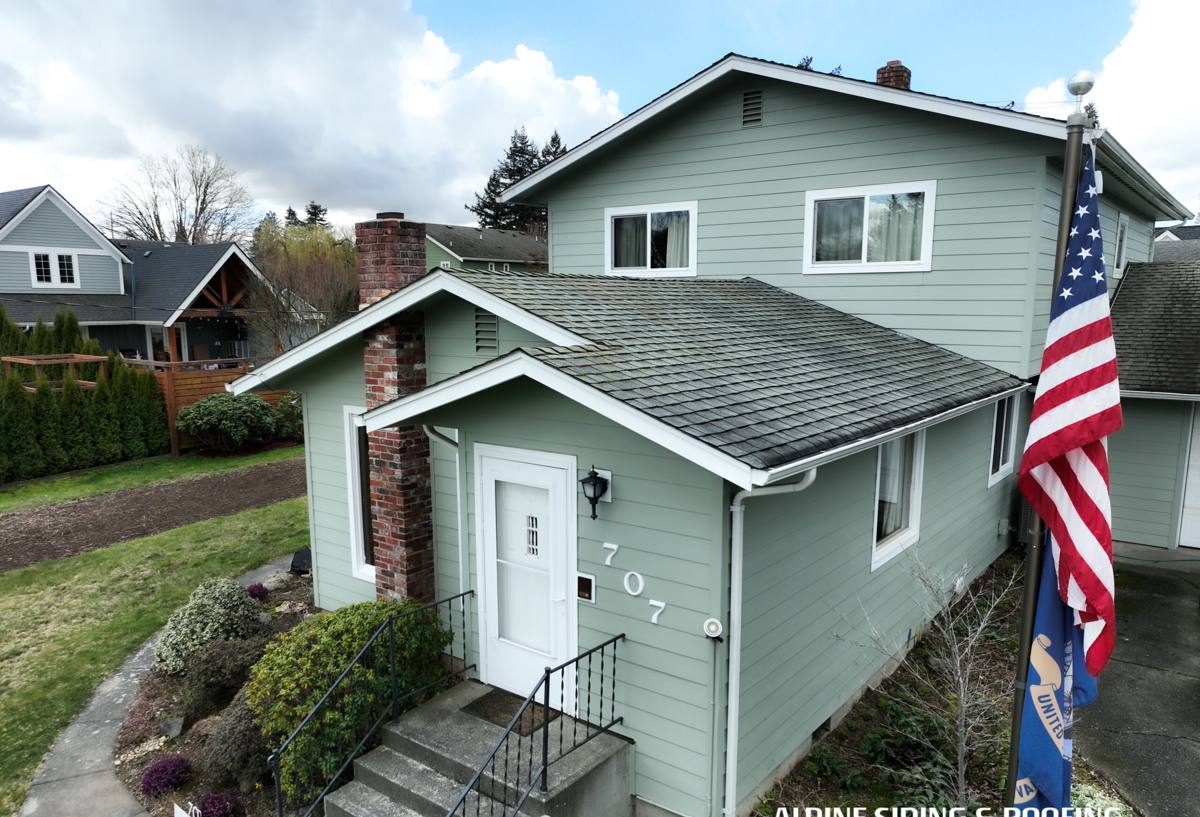
What Gulf-Front Exposure Actually Does to a Roof
Salt Air and Corrosion
Airborne salt doesn't stay at the beach — it travels on the wind and settles on every exposed surface of a barrier island home, roof included. Over time it attacks exposed fasteners, uncoated cut edges, and any spot where two dissimilar metals touch and start a slow electrolytic reaction. None of that shows up in year one. It shows up in year eight or ten as rust bleed at screw heads, pitting along a panel edge, or a fastener that's lost its grip. The fix isn't a thicker roof — it's using the right alloys, coatings, and fasteners from the start, which is where a lot of corners get cut on cheaper installs.
Constant UV Exposure
Florida sun is hard on any roofing material, and a Gulf-front lot gets more of it, reflected off open water and sand with little tree cover to break it up. UV breaks down unprotected sealants, causes some factory finishes to chalk or fade unevenly, and dries out the rubber components in flashing and boots faster than in a shaded inland yard. A quality baked-on coating system is built to resist this; a cheap or mismatched touch-up paint is not.
Wind-Driven Rain
Storms here rarely deliver rain straight down. Gulf-front wind pushes it sideways and even upward under an eave, which means water finds its way into laps, fastener holes, and flashing details that would never leak in a calmer, more sheltered spot. A roof that "would be fine" on a house three miles inland can leak on Indian Shores because the water is being driven into places the design never expected it to reach.
Hurricane-Force Wind Uplift
Wind doesn't just push rain sideways — it tries to lift the roof itself. Uplift pressure is highest at ridges, edges, and corners, which is exactly where a rushed installation is most likely to skimp on fastening. Barrier island exposure means those uplift forces are at their worst here, and the fastening pattern, clip spacing, and edge attachment all need to be engineered for it, not just eyeballed.
Choosing a Metal Roofing System for a Barrier Island Home
Not every metal roofing system is a good fit for a house this exposed. The two main approaches — standing seam and exposed-fastener panels — perform very differently once salt air and hurricane wind are part of the equation.
| Factor | Standing Seam Panel | Exposed-Fastener Panel |
|---|---|---|
| How it attaches | Hidden clips under the seam — no fasteners through the panel face | Screws driven through the panel face at regular intervals |
| Wind/uplift performance | Generally stronger; concealed clip systems distribute uplift load well | Adequate when installed correctly, but every exposed screw is a potential failure point |
| Long-term maintenance | Very low — no exposed fasteners to fail or re-seal | Exposed screws and washers age and need periodic inspection/replacement |
| Salt-air durability | Higher — fewer penetration points for corrosion to start | More vulnerable, since every screw penetration is a place salt and moisture can work in |
| Typical cost tier | Higher upfront cost | Lower upfront cost |
| Best fit | Gulf-front and other high-exposure lots where longevity matters most | More sheltered inland properties, or budget-driven projects with a realistic upkeep plan |
For most Indian Shores homes, the extra upfront cost of a standing seam system pays for itself in fewer maintenance calls and a longer service life, since it removes the biggest weak point — exposed fasteners — from the equation. That said, an exposed-fastener panel installed correctly, with the right screws and a realistic maintenance plan, can still be a reasonable choice on a more sheltered part of the lot or for a budget-conscious project. We'll walk through both honestly rather than push whichever one carries a bigger margin.
Aluminum is also worth a specific mention for this location. It doesn't rust the way steel can if a coating gets scratched, which makes it a strong option directly on the Gulf. Coated steel panels can still perform well here, but they lean more heavily on an intact factory finish and correctly installed flashing to keep salt air away from bare metal.
What a Correct Installation Involves
Metal roofing looks simple from the ground — panels, seams, done. The parts that actually determine whether it lasts 15 years or 40 are mostly invisible once the job is finished.
Underlayment
A synthetic, high-temperature underlayment goes down first as the roof's real waterproofing layer. Metal panels shed the bulk of the water, but the underlayment is what protects the deck if wind-driven rain ever gets past a seam or flashing detail — which, on a barrier island lot, it eventually will during a bad storm.
Fastening Pattern and Clip Spacing
Clip or screw spacing isn't a fixed number pulled from a manual — it should reflect the wind exposure of this specific location, tighter at ridges, hips, and eaves where uplift is highest. This is one of the most common places corners get cut on a rushed job, because it doesn't show up as a problem until the next major storm.
Edge, Flashing, and Penetration Details
Drip edges, valley flashing, and any roof penetration are where the majority of real-world leaks start — not the flat panel field. Every penetration needs a properly sealed boot or flashing detail rated for the coastal environment, not a generic bead of caulk that will dry out and crack under this much sun within a year or two.
Compatible Fasteners and Metals
Fasteners and flashing need to be metallurgically compatible with the panel material. Mixing incompatible metals sets up galvanic corrosion that can eat through a connection years before the roof itself would otherwise fail — a detail that matters a lot more here than on an inland roof.
Our Process on Indian Shores Homes
We run the same disciplined process on every metal roofing project, adjusted for the specific exposure of the property:
- On-site assessment. We look at the existing roof, deck condition, and the specific wind and salt exposure of the lot — a Gulf-front property gets treated differently than one set back a few blocks.
- System and material selection. Based on that assessment, we recommend a panel type, gauge, and finish suited to the exposure, and explain the trade-offs in plain terms so the decision is yours to make with full information.
- Permitting. Pinellas County coastal properties have specific wind-load and code requirements, and we handle the permitting and inspection process so the roof is documented and compliant, not just installed.
- Installation. Deck inspection and repair as needed, underlayment, panels, and all flashing and penetration details installed to the standard the location requires.
- Final walk-through. We review the completed roof with you, point out anything worth knowing for future maintenance, and make sure everything matches what was agreed to before we call it done.
Maintaining a Metal Roof in a Salt-Air Environment
A well-installed metal roof on Indian Shores is genuinely low-maintenance compared to most roofing materials, but "low-maintenance" doesn't mean "no maintenance" this close to the Gulf. A short annual check catches small issues before salt air and sun turn them into real ones.
- Rinse accumulated salt spray and debris off the roof surface periodically, especially after prolonged dry, windy stretches
- Check exposed fasteners (on exposed-fastener systems) for rust bleed, backing out, or a failing washer
- Inspect flashing and sealant around penetrations for cracking or gaps, especially after a hard storm season
- Clear debris from valleys and gutters so water isn't sitting against a seam or edge
- Look for any coating damage — scratches or chips — that could expose bare metal to salt air
- Trim back overhanging vegetation that keeps the roof surface damp or drops debris into valleys
- After any named storm, do a visual check for lifted panels, loose trim, or new leaks before small damage spreads
Why a Crew That Already Works Indian Shores Matters
A roofing crew that mostly works inland neighborhoods doesn't run into barrier island conditions often enough to build real judgment about them — the wind exposure, the salt air behavior over time, the local permitting requirements for coastal Pinellas County properties. We work this area regularly enough to know what actually fails out here versus what's fine, which materials hold up and which ones look good on day one and struggle by year five, and how to navigate access on a barrier island lot, whether that means a tight driveway, HOA or condo association requirements, or limited staging space. That local familiarity doesn't replace a proper installation, but it does mean fewer surprises during the project and a roof that's genuinely built for the site it's going on rather than a generic install with Indian Shores as an afterthought.
Getting Started
If you're weighing a metal roof for a home in Indian Shores — whether you're dealing with an aging roof, storm damage, or just want something built to actually last in this environment — we're happy to come take a look. There's a form below for a free, no-pressure estimate, and we'll give you a straight answer about what your roof needs and what it'll take to do the job right.