 Largo Siding
 Roofing on a Barrier Island Isn't the Same Job as Roofing Inland
Belleair Beach sits out on the open Gulf side of Pinellas County, which means every roof there absorbs conditions that a home a few miles inland in Largo simply doesn't see as often. Direct salt air moves fasteners and flashing toward corrosion faster. Sustained onshore wind puts more sustained uplift pressure on shingle edges, ridges, and rakes. Afternoon sun with almost no tree canopy to break it up bakes asphalt shingles harder and longer each day. None of that means a roof on Belleair Beach is doomed to fail early — it means the installation has to be done with those specific stresses in mind, not just "to code" in a generic sense.
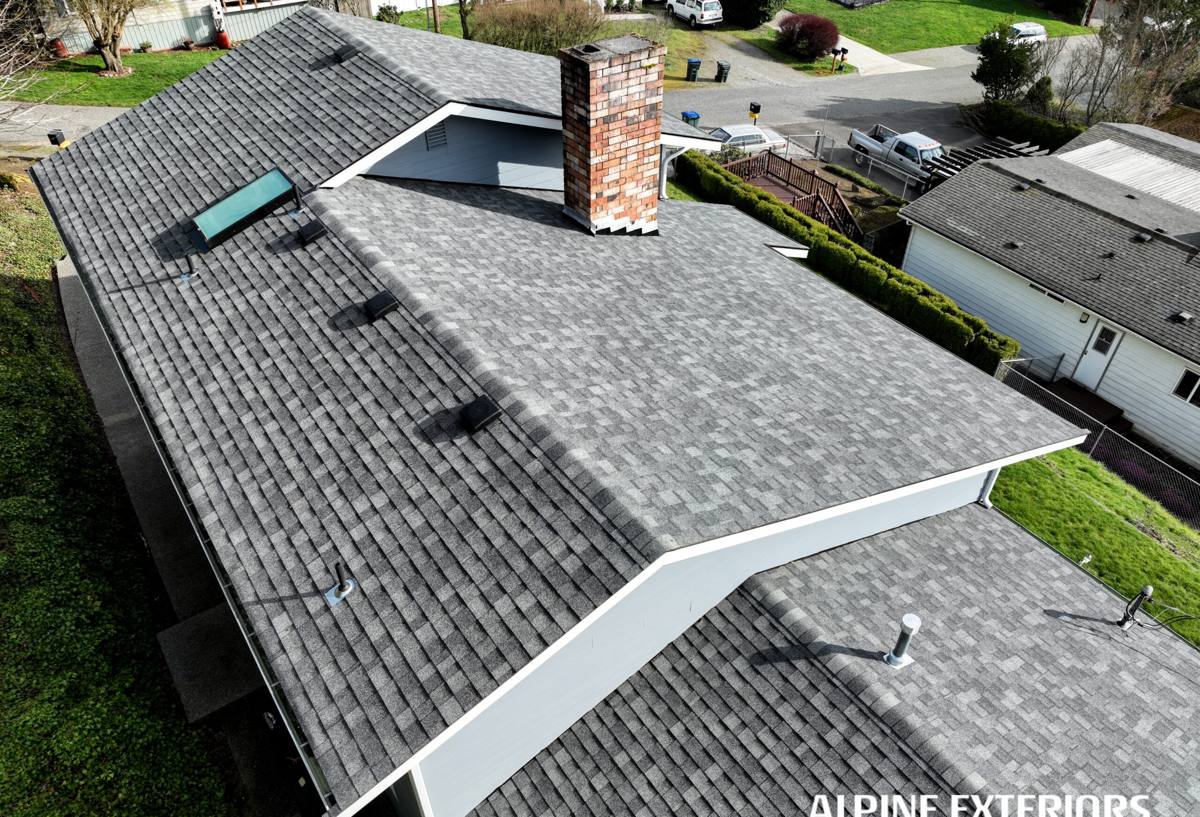
This page is about one job: asphalt shingle roofing on homes in and around Belleair Beach. Not a general overview of every roofing material we offer — just what a shingle roof needs to actually hold up out there, what a correct installation involves, and what to look for in whoever ends up on your roof.
What Belleair Beach's Climate Actually Does to a Shingle Roof
Wind
Wind is the number one reason shingle roofs fail early on the coast. It's rarely the shingles themselves that give out first — it's the edges. Shingles lift at the rakes, eaves, and ridge before they lift in the field of the roof, because that's where wind gets underneath and starts working a corner loose. A properly sealed, properly fastened roof resists this; a roof installed with shortcuts on nailing pattern or starter strip does not, and the difference usually doesn't show up until the first real storm tests it.
Salt air
Homes closer to the open water deal with airborne salt settling on every exposed metal surface — nail heads, flashing, vent boots, drip edge. Over years, that accelerates corrosion in lower-grade materials. It's a slow problem, which is exactly why it gets overlooked until a leak shows up at a flashing point that quietly failed.
UV and heat
Florida sun is hard on asphalt shingles everywhere, but a barrier island roof with little shade gets full exposure most of the day. UV breaks down the asphalt's oils over time, which is why shingle granule loss and brittleness tend to show up sooner here than in more shaded, inland neighborhoods.
Wind-driven rain
It's not just how much rain falls — it's the angle it comes in at during a coastal storm. Wind-driven rain finds gaps that a straight-down rain never would, which is why underlayment quality and lap details matter more here than the shingle brand printed on the wrapper.
What a Correct Installation Actually Involves
A shingle roof is a system, not a single product. Every layer has a job, and skipping or downgrading any one of them is where coastal roofs get into trouble.
- Deck inspection and repair — rotten or delaminated plywood gets replaced before anything goes down, not covered over.
- Secondary water barrier — a sealed underlayment layer (self-adhering membrane at eaves, valleys, and penetrations at minimum) so the roof still holds water out even if wind pulls a shingle loose.
- Synthetic underlayment field-applied with proper overlap, not old-style felt that tears and wrinkles in humidity.
- Drip edge at eaves and rakes, installed under the underlayment at the eave and over it at the rake, per manufacturer and code sequencing — not the other way around.
- Starter strip with factory adhesive along every eave and rake edge, since this is the single biggest factor in wind resistance at the roof's perimeter.
- Correct nailing pattern — the right number of nails, in the right nail zone, driven flush (not overdriven, not underdriven) — for the wind rating the shingle is designed to hold.
- Step flashing and counterflashing at every wall intersection, not roofing cement smeared over old flashing.
- Ridge vent or equivalent attic ventilation so the deck isn't cooking from underneath as well as from above.
Every one of those steps is inspectable. If a contractor can't walk you through why they're doing each one, that's worth noticing.
Shingle Options: Matching the Product to the Exposure
Not every shingle sold as "asphalt shingle" is built for the same conditions. The honest trade-offs come down to wind rating, weight, and how the shingle is designed to lock down at the tab.
| Shingle Type | Typical Wind Rating | Lifespan Range | Best Fit For |
|---|---|---|---|
| 3-tab (standard) | Lower — often 60–90 mph rated | Shorter, thinner profile | Budget projects with less coastal exposure; not our default recommendation on the beach side |
| Architectural / laminate | Commonly rated 110–130 mph when correctly installed | Longer, heavier, dual-layer construction | Our standard recommendation for Belleair Beach — better mass and sealant coverage at the tab |
| High-wind / impact-rated (Class 4) | Often 130 mph+, with impact resistance rating | Longest of the three, reinforced construction | Homes wanting the strongest wind and hail resistance, or chasing insurance credits |
We don't install 3-tab shingles as our standard on barrier island homes — not because the product is bad, but because the thinner profile and lighter sealant strip give up more in a wind event than the modest cost savings are worth to a homeowner sitting this close to open water. That's a judgment call we're upfront about, and we'll walk you through the actual price difference so you can decide with real numbers, not guesswork.
Ventilation and the Algae/Streaking Question
Two things homeowners near the coast ask about constantly: dark streaking on shingles, and whether their attic is "breathing" correctly.
Dark streaks are usually algae growth, which thrives in Florida's humidity regardless of how good the roof is. Algae-resistant (AR) shingle products, which have copper-containing granules blended in, resist this longer than standard granules — worth asking about if streaking bothers you cosmetically, since it's not a structural issue but it does affect curb appeal.
Ventilation is the more important issue functionally. An attic that can't exhaust heat and moisture cooks the underside of the roof deck, shortens shingle life from below, and can contribute to moisture problems in the living space. Ridge venting paired with adequate intake at the soffits is the standard approach we design to, and it's something we check on every Belleair Beach roof, not just new builds.
Our Process for a Shingle Roof Replacement
- On-site inspection — deck condition, current ventilation, flashing points, and any storm damage history are all documented before we quote anything.
- Written estimate — a clear scope covering tear-off, deck repair allowance, underlayment system, shingle product, and flashing detail, so there's no ambiguity about what's included.
- Permitting — pulled through the appropriate local building department before work starts, as required for roofing work in Pinellas County.
- Tear-off and deck inspection — old roofing removed down to the deck so hidden rot or damage isn't papered over.
- System installation — secondary water barrier, underlayment, drip edge, starter strip, shingles, flashing, and ventilation installed in the correct sequence.
- Final walkthrough and cleanup — magnetic sweep for debris/nails, visual walkthrough of the finished roof with you before we consider the job done.
Insurance, Permits, and the Wind Mitigation Angle
Florida homeowners insurance often ties premiums to a wind mitigation inspection, which documents things like roof shape, roof-to-wall connections, and the presence of a secondary water barrier. A correctly installed shingle roof — sealed underlayment, proper nailing, documented wind rating — can support a better wind mitigation report, which in turn can affect your premium. We're not insurance agents and won't promise a specific dollar savings, but we build to a standard that gives your inspection accurate, favorable facts to report, and we can provide the documentation an adjuster or inspector typically asks for.
Permitting matters too. A permitted, inspected roof replacement protects you if there's ever a warranty dispute or an insurance claim down the line — an unpermitted "handshake" roof job can complicate both.
Maintenance and Realistic Lifespan Expectations
A well-installed architectural shingle roof in this coastal environment commonly runs 20-plus years with basic maintenance, though exact lifespan depends on ventilation, sun exposure, and storm history — we won't quote you a guaranteed number that ignores those variables. What you can control is upkeep:
- Have the roof visually inspected after any major storm, not just when a leak appears.
- Keep gutters and valleys clear so water isn't pooling or backing up under shingle edges.
- Address a lifted or missing shingle quickly — a small repair now is cheaper than a deck repair later.
- Watch for granule buildup in gutters, which signals accelerating shingle wear.
- Get flashing points (chimneys, vents, wall intersections) checked every few years, since these fail before the shingle field usually does.
Why a Crew That Already Works Belleair Beach Matters
Roofing crews who mostly work inland don't always think about the extra corrosion resistance a beachside home needs at its fasteners and flashing, or about how much more aggressively wind loads the roof edges on an exposed lot. A crew that regularly works Belleair Beach and the surrounding Pinellas County coastline builds those details in as a default, not an upsell — because we've seen what happens when they're skipped. We also know the local permitting process and what a wind mitigation inspector will actually look for, which saves you time and rework.
If your roof is aging, showing granule loss, or you're just planning ahead of the next storm season, we're happy to take a look and give you a straight answer — whether that's a full replacement, a repair, or simply "you've got a few more years, here's what to watch." Reach out for a free, no-pressure estimate using the form below.