 Largo Siding
 Belleair Beach sits on a narrow barrier island between the Intracoastal Waterway and the Gulf of Mexico, and that location puts homes here under more window stress than almost anywhere else in Pinellas County. Nearly every wall on this island qualifies as coastal exposure, not just the ones facing the water directly. When windows in Belleair Beach fail, it's rarely sudden — it's a slow accumulation of UV breakdown, salt corrosion, and small water intrusion points that finally add up to a drafty, foggy, or leaking window. Replacing them correctly here means treating wind rating, flashing, and hardware as seriously as the glass itself.
This page focuses on one thing: window replacement for homes in Belleair Beach specifically, not a general overview of windows everywhere we work. What follows is what actually goes wrong with windows on this island, what a correct replacement job involves, and why the details matter more here than they would a few miles inland.
Why Belleair Beach Windows Wear Out Faster
Older windows on this island are usually dealing with three things at once, and each one accelerates the others. Constant salt air off the Gulf and the Intracoastal corrodes aluminum frames, hinges, cranks, and fasteners from the inside out, often well before the glass itself shows any sign of trouble. Intense year-round UV breaks down vinyl formulations, weatherstripping, and glazing sealant, which is why older single-pane and early dual-pane windows on this island tend to show yellowing frames, brittle gaskets, and failed seals earlier than the same products would in a milder climate. And wind-driven rain during summer storms and hurricane season pushes water sideways into gaps that would never get tested on a calmer, drier wall.
Add those together and a window that might last several decades in a low-exposure inland location can start failing — fogging between panes, sticking sashes, drafts around the frame — well ahead of schedule on a direct barrier-island exposure like this one. That's not a knock on any particular product; it's just what this environment does to hardware and seals over time.
Signs It's Time to Replace, Not Repair
A window doesn't have to be broken to be worth replacing. On Belleair Beach homes we typically recommend replacement over repair when we see fogging or moisture between panes of a dual-pane unit (a sign the seal has failed and can't be fixed), frames that are pitted, corroded, or chalking from UV exposure, sashes that won't stay open or won't latch securely, visible daylight or drafts around a closed frame, or an older single-pane aluminum window that predates current Florida wind and impact standards. Any one of those is worth a look; a few together usually means replacement is the more cost-effective call than continuing to patch an aging unit.
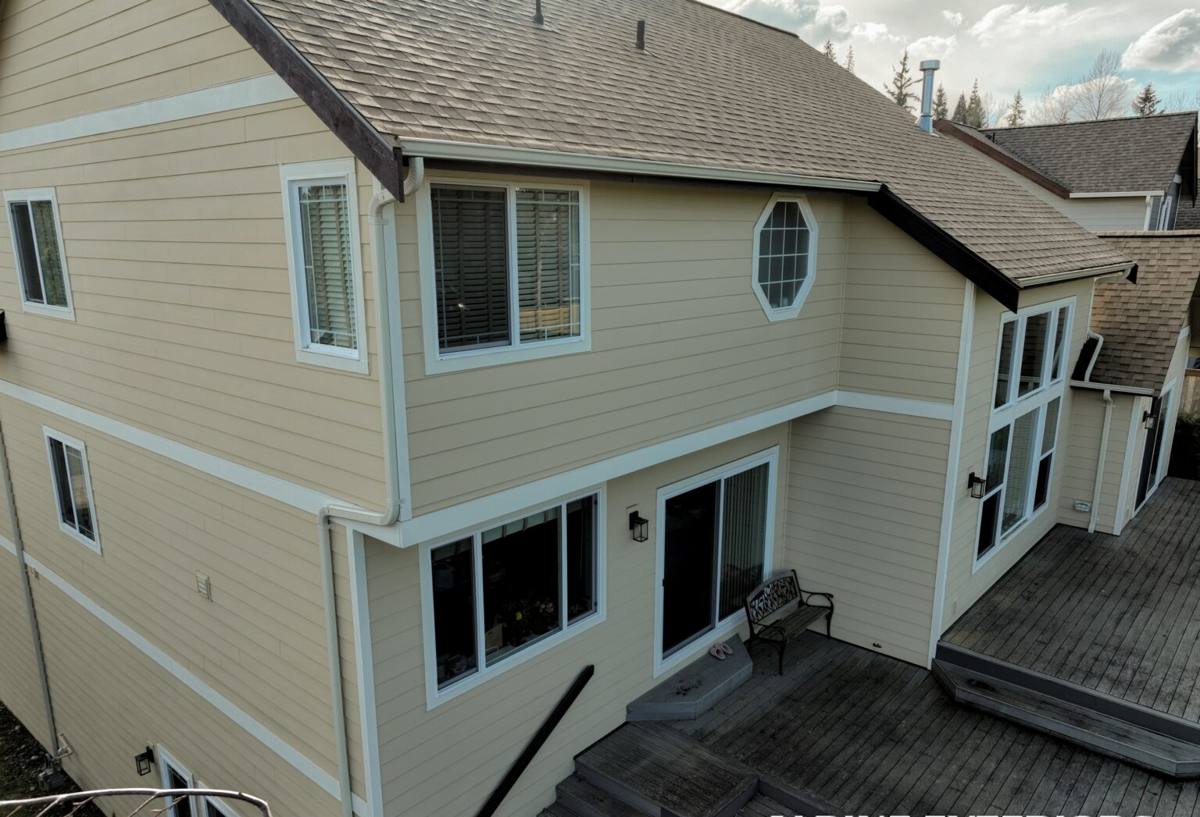
What Florida and Pinellas County Code Actually Requires Here
Window replacement on a barrier island isn't just a product decision — it's a code decision. Belleair Beach falls within Pinellas County's wind-borne debris region, which means replacement windows generally need to meet a specific impact rating tied to the home's wind exposure category and its distance from the coast. That rating isn't optional and it isn't the same for every house in the county; a home on this island typically needs a higher-rated unit than one set back further inland in Largo.
This matters for two practical reasons beyond code compliance. First, a properly rated impact window protects the home during a storm without anyone needing to deploy shutters or panels beforehand. Second, many insurance carriers offer premium credits for verified impact-rated windows on coastal Pinellas County homes, which can offset part of the replacement cost over time. We pull the correct wind exposure and rating requirement for your specific address as part of the assessment, not as an afterthought once the windows are already ordered.
What a Correct Window Replacement Job Involves
Assessment and Measurement
Every job starts with a field measurement of each opening, not a catalog estimate. On this island, that assessment also includes checking the wall's wind exposure and confirming the impact rating your home actually needs, since it can vary even between two houses on the same street depending on elevation and orientation to the Gulf.
Removal and Opening Inspection
Once the old window comes out, we check the framing and sheathing behind it for hidden water damage or rot — a common find on older Belleair Beach homes where a failed seal or gap has let moisture into the wall assembly over the years without being obvious from the inside. Any damage found here gets addressed before the new unit goes in, not covered up.
Flashing and Weatherproofing
This is the step that decides whether a new window actually performs on this island or just looks new for a few years before it starts leaking. Flashing has to be sequenced so water sheds outward and downward at every layer, sills need to slope correctly instead of letting water pool, and sealant joints need to be detailed for constant UV and salt cycling rather than a one-time caulk bead. We build this around the specific opening and wall assembly, not a generic manufacturer diagram.
Installation and Anchoring
Impact-rated windows have to be anchored to the structure in a way that actually meets their tested wind load, not just installed to look level and square. We follow the anchoring schedule the specific unit and opening require, which is part of what makes it code-compliant rather than just impact-rated on paper.
Hardware and Trim
We spec corrosion-resistant hardware and fasteners as standard on coastal installs, since standard-grade hardware is one of the first things to fail in this environment. Trim and finish work is matched to the surrounding exterior so the finished result looks intentional, not just functional.
Quick Checklist Before You Sign a Contract
- Confirm the wind exposure and required impact rating for your specific address, not a countywide default
- Ask whether hidden water damage found during removal is included in the scope or billed separately
- Get the flashing and sealant approach explained, not just the window brand and model
- Confirm hardware and fasteners are corrosion-resistant, not standard-grade
- Ask what documentation you'll receive for insurance premium credits on impact-rated windows
- Get warranty terms in writing for both the window unit and the installation labor separately
Our Process, Start to Finish
- On-site assessment — we measure every opening, evaluate wind exposure for each wall, and check for visible signs of water intrusion or frame failure
- Honest recommendation — repair versus replacement, and the impact rating your address requires, explained plainly
- Ordering and lead time — a realistic timeline, since impact-rated units are typically built to order rather than pulled from stock
- Removal and inspection — old windows come out carefully, with any hidden framing or flashing damage identified before proceeding
- Installation and anchoring — new units set and anchored to meet the tested wind load for their rating and size
- Flashing, sealant, and trim — weatherproofing detailed for the specific opening, then finished to match the home's exterior
Frame Material and Glass Options for This Location
| Option | How It Holds Up on Belleair Beach |
|---|---|
| Vinyl frames | Cost-effective and reasonably resistant to salt air; quality varies significantly by manufacturer, so we're selective about which vinyl lines we install here |
| Fiberglass frames | Strong dimensional stability and good long-term resistance to UV and coastal humidity; typically a higher upfront cost than vinyl |
| Aluminum frames | Common in older Florida construction and still used in some impact-rated lines; needs corrosion-resistant hardware and finish to hold up long-term in direct salt exposure |
| Laminated impact glass | Meets Pinellas County wind-borne debris requirements without needing separate shutters; also cuts down on UV transmission and outside noise |
| Low-E coatings | Reduces heat gain from year-round Gulf sun, which helps with cooling costs on a west- or south-facing elevation |
We'll walk through which combination actually fits your home's exposure and budget rather than defaulting to one product line for every job. All-wood exterior frames are one option we generally steer clients away from on direct barrier-island exposure — not because wood can't look good, but because the maintenance burden and moisture sensitivity in this much sustained salt air and humidity is a real trade-off worth knowing about upfront, especially compared to lower-maintenance frame options that hold up with less upkeep.
What Actually Moves the Price
We won't quote a number without seeing the openings in person, but a few factors consistently move the price on Belleair Beach window replacement jobs: the number and size of openings, the required impact rating for your specific wall exposure, whether hidden framing or sheathing repair is needed once the old window comes out, frame material, and glass upgrades like Low-E coatings. A whole-house replacement generally has better per-window economics than doing openings one at a time over several years, but we understand budget realities and can help sequence a multi-phase plan if that fits your situation better.
Why Hiring a Crew That Already Works This Island Matters
Manufacturer installation instructions are written for average conditions, and a direct barrier-island exposure like Belleair Beach isn't average. A crew that doesn't work this stretch of coastline regularly can get the impact rating right on paper and still miss the field details that actually keep water and wind out over time — how much lap a flashing course needs on a sill this exposed, which anchoring pattern holds up under sustained hurricane-force load versus just the code minimum, when a sealant joint needs extra attention because of year-round UV and salt cycling instead of the occasional storm.
We work Belleair Beach and the surrounding Pinellas County coastline regularly, so we're not guessing at how a given elevation or wall type tends to perform here over time. That shows up in decisions that don't come up in a sales pitch — the kind that decide whether your windows are still sealed tight and performing after several hurricane seasons, or starting to show corrosion and leaks within a few years.
Ready to Talk About Your Windows?
If your Belleair Beach home has windows showing fog between panes, corroded frames, drafts, or you're simply overdue for an impact-rated upgrade, it's worth having someone assess the actual openings and wind exposure before you start pricing units. We offer free, no-pressure estimates for window replacement in Belleair Beach and the surrounding area — use the form below to get a time on the schedule.