 Largo Siding
 Board & Batten in a Gulf-Facing Climate
Dunedin sits close enough to the Gulf of Mexico and St. Joseph Sound that salt-laden air, humidity, and wind are part of daily weather, not the occasional storm. Board and batten siding — the vertical-plank-and-strip look popular on bungalow-style homes, cottages, and coastal-influenced new builds throughout this part of Pinellas County — can look sharp for decades here or fail within a few years, and the difference almost always comes down to material choice and installation detail, not the style itself.
We install board and batten only in James Hardie fiber cement, and only to Hardie's published specifications. That's not a marketing line — it's the reason we can stand behind the work on a home a mile from the water the same way we do on one further inland in Largo.
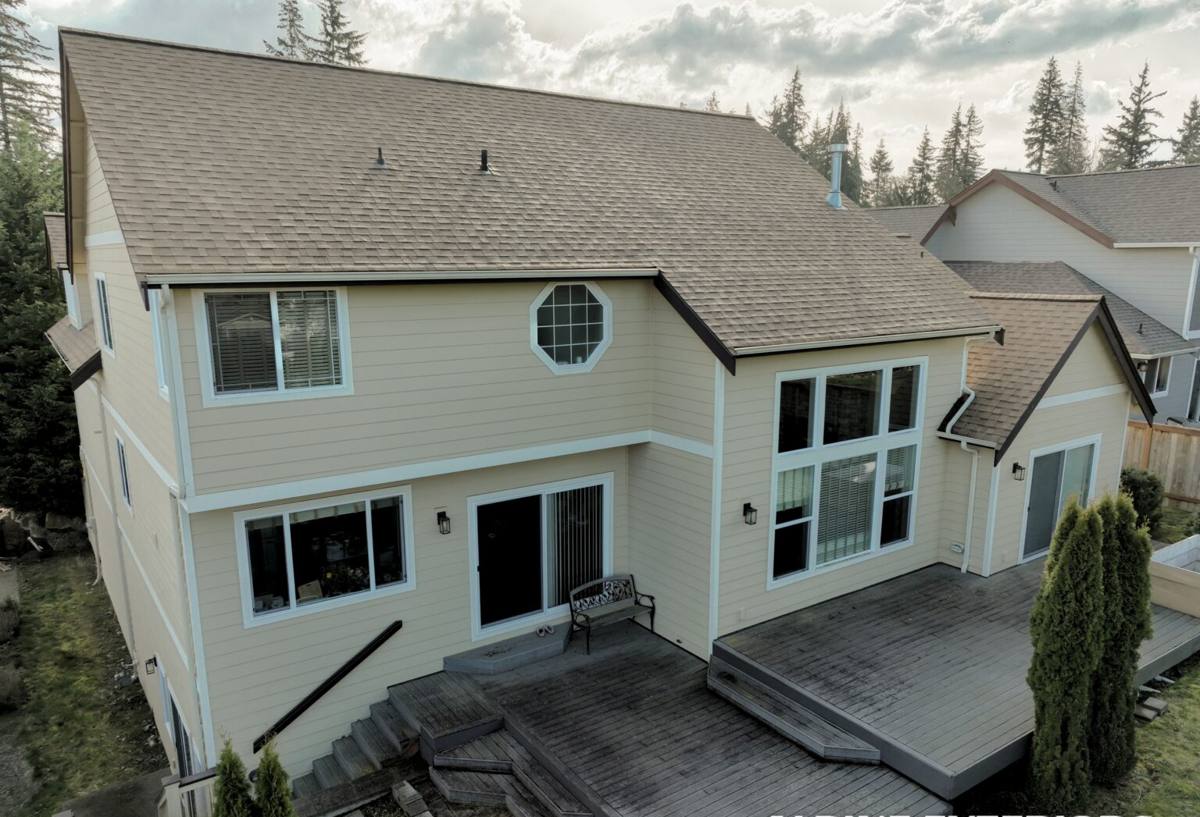
What Dunedin's Exposure Actually Does to Siding
Homeowners often assume hurricanes are the main threat to siding here. Storms matter, but the slower damage comes from year-round conditions:
- Salt air corrosion — airborne salt accelerates the breakdown of fasteners, trim, and any siding material not rated for coastal exposure, and it works on a home whether or not it's directly waterfront.
- Constant UV load — Florida's sun degrades paint film and surface coatings faster than almost anywhere else in the country, which shows up first as fading and chalking on south- and west-facing walls.
- Wind-driven rain — Gulf storms don't just drop rain, they push it sideways into every seam, joint, and batten strip. Board and batten has more vertical seams than lap siding, so how those seams are detailed matters more here than it would on a flat, low-humidity climate.
- Humidity cycling — constant swings between wet and dry stress any siding material that absorbs moisture, which is a primary reason we don't install wood or wood-composite alternatives in this market.
None of this is unique to Dunedin — it's true across the Gulf-side communities we work in — but it's more pronounced the closer a property sits to open water, which describes a meaningful share of homes in and around Dunedin.
What Correct Board & Batten Installation Involves
Board and batten is simple in appearance and unforgiving in execution. The vertical seams that give it its look are also the places water tries hardest to get in. A correct installation addresses that at every layer, not just the visible surface.
Weather-Resistive Barrier and Flashing
Before any panel goes up, the wall needs a continuous weather-resistive barrier with properly lapped and taped seams, plus flashing at every window, door, and penetration. Skipping or rushing this step is the single most common cause of hidden moisture damage behind board and batten siding — the panels can look perfect while the sheathing behind them is failing.
Panel and Batten Spacing
James Hardie specifies exact fastener placement, panel gaps, and clearances from rooflines, decks, and grade. Battens need consistent reveal and must be fastened into structural framing, not just through the panel into empty space. Gaps that are too tight don't allow for thermal movement; gaps that are too loose let wind-driven rain track behind the batten.
Caulking and Sealant Discipline
Vertical siding depends more on sealant joints than horizontal lap siding does. We use sealants rated for the exposure and reapply at manufacturer-specified intervals — a detail that's easy to skip and one of the first things to fail on a poorly maintained installation.
Clearances That Prevent Wicking
Siding that touches grade, decking, or roofing directly will wick moisture regardless of the material. Correct board and batten work maintains the minimum clearances Hardie specifies, which is especially relevant on the single-story, close-to-grade homes common in older Dunedin neighborhoods.
James Hardie Board & Batten Options
We install James Hardie's vertical panel systems, which are engineered and factory-finished specifically for this kind of exposure — not painted on site, which is where a lot of board and batten problems start.
HardiePanel Vertical Siding
This is the core product used to achieve the board and batten look: fiber cement panels installed vertically with trim battens covering the seams. It's non-combustible, resists pests, and won't rot or delaminate the way wood-based panels can in sustained humidity.
ColorPlus Factory Finish
Rather than field-painting after installation, ColorPlus finishes are baked on at the factory under controlled conditions, giving better UV and fade resistance than most site-applied paint jobs — a meaningful advantage given how hard Florida sun is on painted surfaces.
HZ10 Engineering
James Hardie engineers a version of its product line specifically for hot, humid, high-moisture climates like ours, as distinct from the standard formulation sold in drier, colder parts of the country. That's a direct response to the same conditions — humidity cycling, moisture exposure, heat — that make material choice matter so much here.
Why We Don't Install Alternatives to This Job
Vinyl board and batten and engineered wood products exist, and we understand why they're tempting on price. Vinyl can deform in sustained high heat and doesn't hold up well to wind-driven impact in storm events. Engineered wood and primed wood panels depend heavily on paint film integrity to stay dry — once that film is compromised by UV and humidity cycling, moisture gets into the substrate and the clock starts on rot. Given what Dunedin's climate does to siding over a 20-30 year window, we standardized on fiber cement because it holds its shape, doesn't feed moisture into the substrate the same way, and carries a factory finish built for this kind of sun exposure.
Board & Batten vs. Other Siding Profiles: What to Weigh
| Factor | Board & Batten (Vertical) | Lap Siding (Horizontal) |
|---|---|---|
| Visual style | Cottage, farmhouse, coastal-modern | Traditional, classic |
| Seam exposure to wind-driven rain | More vertical seams to detail correctly | Fewer vertical seams; horizontal laps shed water by design |
| Best fit | Accent walls, gables, full-facade on cottage-style homes | Whole-house application, any architectural style |
| Installation sensitivity | Higher — batten fastening and reveal must be precise | Moderate — well-understood, forgiving lap overlap |
| Maintenance | Sealant joints need periodic inspection | Caulking mainly at trim and penetrations |
Board and batten isn't the wrong choice for Dunedin — plenty of homes here suit it well — but it's a profile where installation quality has a bigger effect on long-term performance than the profile itself.
How We Approach a Dunedin Board & Batten Project
1. On-Site Assessment
We look at current siding condition, sheathing and moisture status where accessible, drainage around the foundation, and exposure direction — a west-facing wall near open water gets treated differently than a shaded, inland-facing wall.
2. Product and Layout Plan
We confirm panel width, batten spacing, and trim details against the home's architecture, then walk through ColorPlus color options and how they'll read in direct Gulf-side sun versus filtered shade.
3. Removal and Substrate Check
Old siding comes off in a way that lets us actually see the sheathing underneath. If there's hidden moisture damage from a prior installation, we address it before anything new goes up — covering a problem is not something we'll do.
4. Weather Barrier, Flashing, Installation
Barrier and flashing first, then panels and battens fastened to Hardie spec, with attention to every clearance and gap called out above.
5. Final Sealant and Walkthrough
We seal joints per manufacturer instruction and walk the finished job with the homeowner before calling it done.
What Board & Batten Siding Costs Depend On
| Cost Factor | Why It Matters Here |
|---|---|
| Wall area and home height | More panels and battens, more fastening and sealant work |
| Substrate condition | Rot or moisture damage found during tear-off adds repair scope |
| Trim and batten density | More battens per foot means more precise labor, not just more material |
| Color | Standard ColorPlus colors vs. custom finishes affect material cost |
| Access and site conditions | Tight lots, landscaping, and second-story work affect labor time |
We give homeowners an honest range after seeing the actual walls and substrate — not a number pulled from a square-footage formula that ignores condition.
Why Hiring a Crew That Already Works in Dunedin Matters
A crew that regularly works Dunedin and the surrounding Largo area already understands which exposures need extra attention, how close-to-grade older homes typically drain, and what wind and salt exposure actually do to a wall over a few storm seasons — not in the abstract, but from having reworked jobs that were installed without those conditions in mind. That local pattern recognition shows up in small decisions: where we add extra flashing, which walls get closer sealant inspection intervals, and how we sequence a job around this area's rain patterns. It's a different starting point than a crew installing board and batten the same way regardless of where the house sits.
Maintenance Checklist for Board & Batten in This Climate
- Inspect batten sealant joints once a year, and after any major storm
- Rinse salt residue off exterior walls periodically, especially on homes closer to the water
- Keep gutters and downspouts clear so water isn't sheeting down wall sections
- Watch for chalking or fading on south- and west-facing walls as an early sign of coating wear
- Trim landscaping back from the wall to maintain airflow and reduce trapped moisture
- Address any soft spots, staining, or separation at seams promptly rather than waiting
If you're weighing board and batten for a home in Dunedin, we're happy to take a look and give you a straight answer on what your walls need — no pressure, no inflated worst-case quote. Use the form below to request a free estimate.