 Largo Siding
 Why St. Petersburg Roofs Don't Last as Long as the Warranty Says
Every asphalt shingle, metal panel, and tile roof sold in Florida comes with a manufacturer's warranty printed for a national market. St. Petersburg isn't a national-market climate. Homes here sit close to Tampa Bay and the Gulf, which means near-constant humidity, intense UV exposure almost every day of the year, wind-driven rain during summer storms, and a steady dose of salt air that corrodes fasteners and metal flashing faster than it would fifty miles inland. Add hurricane season's straight-line winds and the occasional direct hit, and a roof rated for 25 or 30 years under lab conditions often shows real wear a decade or more sooner.
That's not a reason to panic about your roof — it's a reason to know what to actually look for, and to understand what a replacement done for this specific climate should include. A roof replacement in St. Petersburg is not the same job as a roof replacement in Ohio, even if the shingle on the shelf looks identical.
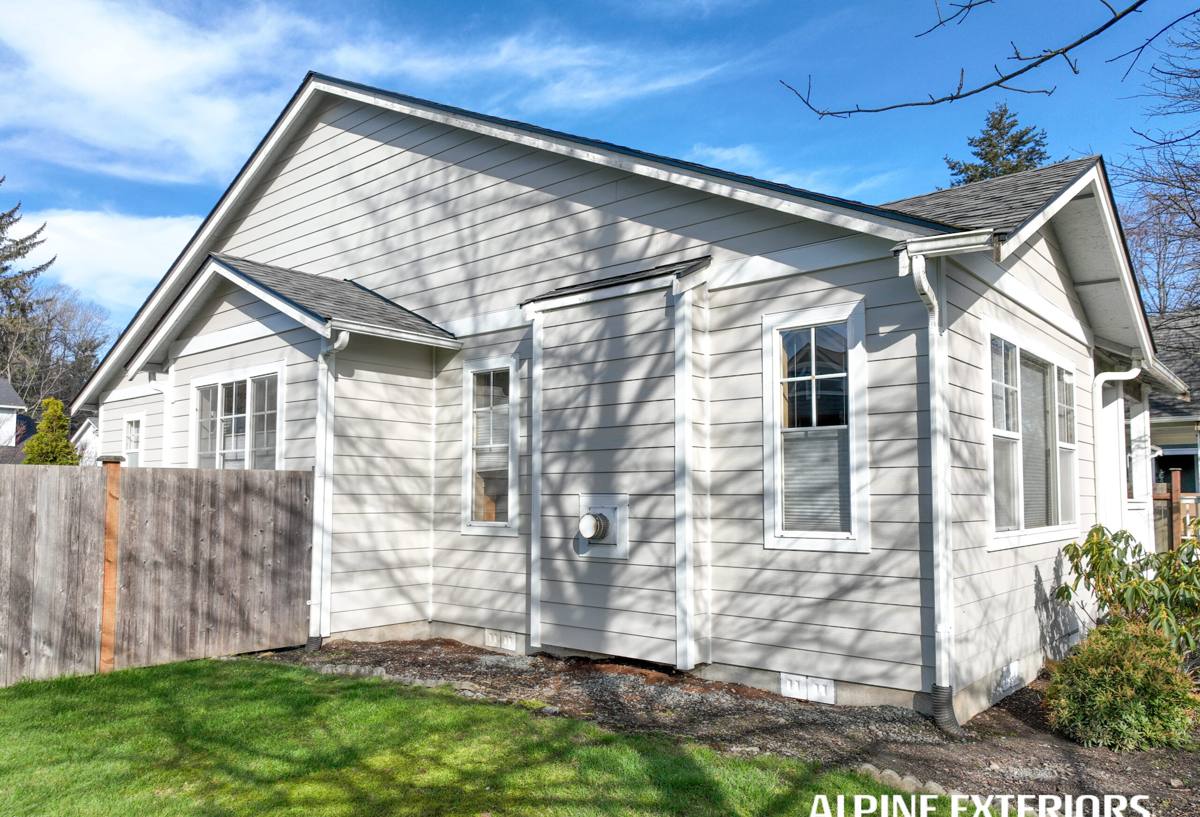
Signs a St. Petersburg Roof Needs Replacement, Not Another Patch
Patching has its place, and a good contractor will tell you honestly when a repair is enough. Replacement becomes the right call when the damage is no longer isolated — when the roofing system as a whole has aged out. Common signs we see on homes in this area include:
- Granule loss heavy enough that shingles look blotchy or bald in sun-exposed areas, usually the south and west slopes
- Shingles that have curled, cupped, or gone brittle from years of UV exposure
- Soft spots or sagging in the roof deck, often found after wind-driven rain has worked its way under aging flashing
- Rusted or lifting flashing around chimneys, vents, and skylights, accelerated by salt air
- Multiple recent repairs in different spots — a pattern that usually means the underlying materials, not just the surface, are failing
- Visible daylight or water stains in the attic, which means the roof has already let moisture in
If your roof is showing two or more of these at once, patching individual spots usually just delays a bigger repair bill without solving the underlying age problem.
What a Correct Roof Replacement Actually Involves
A roof replacement is more than swapping old shingles for new ones. Done right, it addresses everything underneath the visible surface — the parts that determine whether the new roof will actually hold up to Gulf Coast conditions.
Full Tear-Off
We remove the old roofing material down to the deck rather than layering new shingles over old. Layering hides deck problems, traps moisture, and voids most manufacturer warranties. A full tear-off is also the only way to properly inspect the deck itself.
Deck Inspection and Repair
Plywood or OSB decking that's been exposed to slow leaks or humidity can delaminate or soften. Any compromised sections get replaced before anything new goes down — installing new shingles over a weak deck is a guaranteed callback.
Underlayment
This is the roof's real waterproofing layer, and it matters more here than in drier climates. We use underlayment suited to wind-driven rain, with proper overlap and fastening so it stays intact even if the outer shingle layer is stressed in a storm.
Flashing and Penetrations
Chimneys, vent stacks, skylights, and wall-to-roof transitions are where most leaks start. New flashing, properly integrated with the underlayment and outer roofing layer, is not optional — it's where a rushed job shows up first.
Fastening for Wind
Nail pattern and fastener count matter more in a coastal wind zone than most homeowners realize. Under-nailed shingles are one of the most common causes of wind damage we see on homes that "should have" survived a storm.
Ventilation
A hot, poorly ventilated attic shortens shingle life from underneath, no matter how good the shingle is. Replacement is the right time to correct inadequate soffit or ridge ventilation if the existing setup isn't doing its job.
Choosing a Roofing Material for This Climate
There's no single "best" roofing material — the right choice depends on your budget, your roof's slope and structure, and how much long-term maintenance you're willing to take on. Here's how the common options compare for a St. Petersburg home specifically:
| Material | Typical Lifespan Here | Coastal Considerations | Maintenance |
|---|---|---|---|
| Architectural (dimensional) asphalt shingle | 15–22 years | Good wind ratings when properly nailed; UV and granule loss are the main wear factors | Low to moderate |
| 3-tab asphalt shingle | 12–17 years | Lower wind rating than architectural; more prone to early curling in intense UV | Low to moderate |
| Standing seam metal | 30–45+ years | Excellent wind performance; needs coastal-rated fasteners and coatings to resist salt corrosion | Low |
| Concrete or clay tile | 30–50 years | Very durable against UV and wind when installed correctly; underlayment failure is the real long-term risk | Moderate (occasional tile replacement) |
We'll walk you through the real trade-offs for your specific roof rather than pushing whatever's easiest to install. If a product isn't a good fit for your home's slope, structure, or budget, we'll say so plainly.
Wind Resistance and Local Code Requirements
Pinellas County follows the Florida Building Code, which sets minimum wind-resistance and installation standards for roofing — these exist because this part of the state gets tested by real storms, not hypothetical ones. Permit and inspection requirements apply to a full roof replacement here, and skipping them isn't a shortcut worth taking: an unpermitted roof can create real problems at resale, with insurance claims, and with basic safety. A contractor who works in St. Petersburg regularly should be able to walk you through exactly what's required for your address without you having to chase it down yourself.
How Our Replacement Process Works
- Inspection and honest assessment. We look at the whole roofing system — deck, flashing, ventilation, not just the shingle surface — and tell you plainly whether you need a replacement or a repair.
- Written estimate. Clear scope, materials, and pricing before any work starts. No surprise change orders for things we should have caught during inspection.
- Permitting. We handle the permit process required for the work.
- Tear-off and deck repair. Full removal of old material, with any compromised decking replaced.
- Underlayment, flashing, and installation. Installed to the wind and moisture standards this climate actually requires, not just the manufacturer's minimum.
- Final walkthrough and cleanup. We review the finished roof with you and make sure the property is cleared of debris and nails.
What to Ask Before Hiring a Roofer in St. Petersburg
Roofing draws its share of storm-chasing outfits after big weather events — crews that show up, do fast work, and are gone before problems surface. A few questions separate a legitimate local contractor from a risk:
- Are you licensed to work in Florida, and can you provide proof of insurance?
- Do you pull permits yourselves, or expect the homeowner to handle it?
- What's your plan for deck repair if you find soft spots during tear-off?
- What underlayment and fastening spec will you use, and why?
- Do you have a local address and a track record of jobs in this area, not just a truck and a phone number?
- What does your workmanship warranty cover, separate from the manufacturer's material warranty?
A contractor who answers these clearly and without hesitation is worth trusting. One who gets vague or defensive is worth walking away from.
Why Local Experience in St. Petersburg Matters
A crew that already works in this area knows how this area's roofs actually fail — which slopes take the worst UV beating, where salt air does the most damage to flashing, and what fastening a wind-driven storm off the Gulf actually demands. That's knowledge you don't get from a general contractor passing through after a storm. It's built from working the same streets, the same housing stock, and the same weather patterns year after year.
After Your New Roof Goes On
A new roof still benefits from basic upkeep in this climate: periodic inspection of flashing and sealant, clearing debris from valleys and gutters, and a professional check after any major storm. We'll tell you what to watch for on your specific roof and materials so small issues get caught before they become another full replacement down the line.
If your roof is showing its age or you're just not sure whether it's a repair or a replacement situation, we're happy to take a look. Fill out the form below for a free, no-pressure estimate — we'll give you a straight answer either way.