 Largo Siding
 Windows in Belleair Bluffs Take More Abuse Than Windows Inland
Belleair Bluffs sits close to the Intracoastal Waterway, just west of Largo, and that proximity to open water changes what a window has to survive. Homes here deal with a combination most inland Florida properties don't see at the same intensity: salt-laden air moving off the water, wind-driven rain that gets pushed sideways during storms, and direct UV exposure nearly every day of the year. Add in the hurricane-force wind events Pinellas County plans for every season, and a window that was installed correctly ten or fifteen years ago in a milder climate may already be showing its age here.
None of this means every window needs to be replaced on some fixed schedule. It means the installation has to account for the actual conditions the window will face, not just the conditions on the spec sheet. That's the difference between a window that performs for 20+ years and one that starts leaking, fogging, or sticking within five.
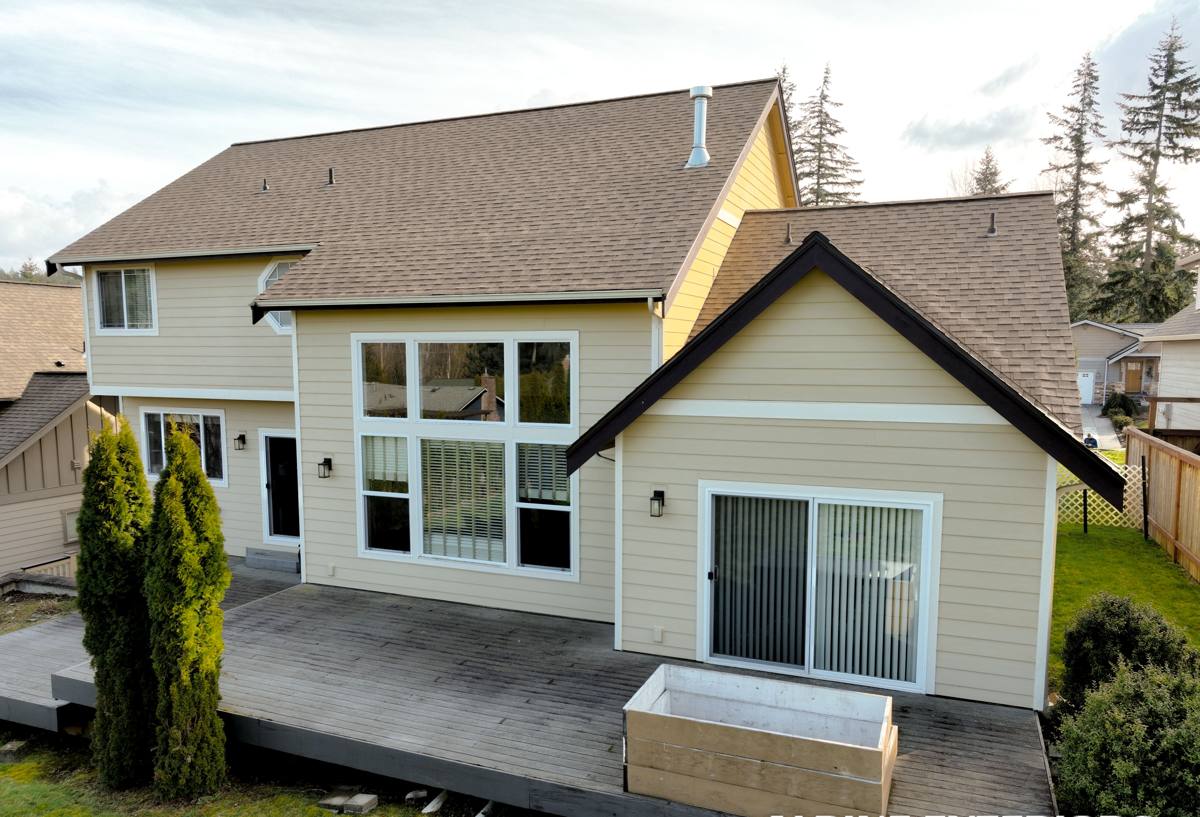
What Salt Air, Sun, and Wind Actually Do to a Window
Salt Air and Metal Components
Salt in the air accelerates corrosion on hardware, hinges, and metal window frames. Aluminum frames can pit and oxidize faster near the water; steel fasteners and hinges corrode even faster if they're not rated for coastal exposure. This is one of the most common failure points we see on Belleair Bluffs homes with older windows — the glass is still fine, but the hardware has seized up or the frame has started to corrode at the corners.
UV Exposure and Seals
Florida sun breaks down the rubber and vinyl seals, gaskets, and glazing compounds that keep a window weathertight. Once those seals go brittle and crack, water finds its way in — usually slowly, as a hidden leak inside the wall cavity, long before it shows up as a stain on the interior sill. Constant UV also fades vinyl frames and can warp lower-quality vinyl over time.
Wind-Driven Rain
Standard rain falls straight down. Wind-driven rain during a coastal storm comes in at an angle, sometimes nearly horizontal, and it finds any gap in flashing, sealant, or fastening. A window that's watertight in a light rain can still leak badly in a wind event if it wasn't flashed and sealed correctly at installation — this is almost always an installation issue, not a product defect.
Wind Load and Structural Attachment
Pinellas County is in a high-velocity hurricane zone, which means every replacement window has to meet specific wind load and impact requirements under the Florida Building Code. The window itself needs the right pressure rating, and it needs to be anchored into structurally sound framing with the correct fasteners at the correct spacing. Skip either part and the window becomes a weak point in the wall during a storm, regardless of how good the glass is.
What Correct Window Installation Actually Involves
A lot of window problems we get called out to fix aren't product failures — they're installation shortcuts. Here's what a proper job covers:
Rough Opening Inspection
Before a new window goes in, the rough opening gets checked for rot, moisture damage, and square. Installing a new window into a compromised opening just locks in a problem behind a fresh frame.
Flashing and Weather Barrier
Proper flashing directs any water that gets past the window back out, not into the wall. This is invisible once the job is done, which is exactly why it's the step that gets skipped by installers trying to move fast.
Fastening to Meet Wind Load
Fasteners, spacing, and anchoring into the structural framing all have to match the window's tested and labeled wind load rating. This isn't a place to eyeball it — it's a code compliance issue and a safety issue.
Sealing, Inside and Out
Exterior sealant keeps bulk water out; interior air sealing keeps conditioned air in and prevents condensation issues inside the wall. Both matter, and they're different steps with different materials.
Final Operation and Weatherproofing Check
Every window gets opened, closed, and checked for smooth operation and a tight seal before we consider the job done.
Impact-Rated vs. Standard Windows for This Area
Homeowners in Belleair Bluffs often ask whether they need impact-rated windows or whether standard windows with shutters are enough. Both are legitimate approaches under Florida code, and the right answer depends on the home, the budget, and how much you want to deal with storm prep. Here's an honest comparison:
| Factor | Impact-Rated Windows | Standard Windows + Shutters |
|---|---|---|
| Storm prep required | None — permanently protected | Shutters must be installed before every storm |
| Upfront cost | Higher per window | Lower window cost, plus shutter cost |
| Daily UV and noise reduction | Better, due to laminated glass | Standard, unless upgraded glass is chosen |
| Insurance premium impact | Often reduces windstorm premium | Can also qualify for credits with approved shutters |
| Maintenance | Frame and seals only | Frame, seals, plus shutter hardware and tracks |
| Best fit | Homeowners who want passive protection | Homeowners comfortable with active storm prep |
We install and service both approaches. What we won't do is talk you into the more expensive option if a standard window with proper shutters genuinely fits your home and budget better — that's a conversation, not a sales pitch.
Signs Your Current Windows Are Already Failing
Because a lot of window failure happens inside the wall before it's visible, it helps to know the early signs. If you're seeing any of these, it's worth having them looked at:
- Fogging or condensation between panes on double-pane windows — a sign the seal has failed
- Soft or discolored drywall, trim, or sill area near a window
- Windows that are hard to open, close, or lock, especially ones that used to operate smoothly
- Visible daylight or a draft around the frame when the window is closed
- Chalky, faded, or cracked exterior caulking around the window perimeter
- A musty smell near a window that doesn't go away with cleaning
- Corrosion or white powdery buildup on aluminum frames or hardware
- Noticeably higher energy bills without another clear cause
How Our Installation Process Works
- On-site assessment. We inspect your existing windows, the rough openings, and the surrounding wall condition — not just measure for glass.
- Product recommendation. Based on your home's exposure, budget, and whether you want impact-rated or standard windows, we lay out honest options with real trade-offs.
- Permitting. Window replacement in Pinellas County typically requires a permit, and we handle that paperwork so the job is documented and inspected correctly.
- Removal and opening prep. Old windows come out, and we address any rot or moisture damage found in the opening before anything new goes in.
- Installation. Windows are set, flashed, fastened to wind load spec, and sealed inside and out.
- Final walkthrough and inspection. We check operation on every window and coordinate the required inspection before closing out the permit.
Permits, Code, and Working Within Pinellas County Requirements
Every jurisdiction in Pinellas County enforces the Florida Building Code's high-velocity hurricane zone requirements for window replacement, which means the products used have to carry the right approval numbers and the installation has to be inspected. Skipping the permit might save time up front, but it creates real problems later — at resale, with insurance claims, and with any future work that touches that opening. We pull the required permits and schedule inspections as a standard part of the job, not an upsell.
What Drives the Cost of a Window Installation
Every home is different, so we won't quote a number without seeing the job, but these are the factors that move the price up or down:
| Factor | Impact on Cost |
|---|---|
| Window type (standard vs. impact-rated) | Impact-rated typically costs more per unit |
| Number of openings | More windows generally lowers the per-window rate |
| Frame material | Vinyl, aluminum, and composite carry different price points |
| Condition of the rough opening | Rot or structural repair adds labor and material |
| Window size and configuration | Larger or custom-shaped windows cost more than standard sizes |
| Permit and inspection requirements | Included in the project, but varies by scope |
Why Hiring a Crew That Already Works in Belleair Bluffs Matters
A contractor who regularly works this specific stretch near the Intracoastal already understands the wind exposure, the salt air, and the way older homes in this pocket of Pinellas County were originally built. That matters when it comes to reading a rough opening correctly, knowing which fastening approach actually holds up here, and not treating a coastal-adjacent home the same as one ten miles inland. It also matters for permitting — familiarity with the local building department means fewer delays and fewer surprises during inspection.
We serve Largo and the surrounding Pinellas County communities, including Belleair Bluffs, and we stand behind our installation work because we're the ones pulling the permit and scheduling the inspection — not a subcontractor we hand the job off to.
If your windows in Belleair Bluffs are showing signs of wear, or you're planning ahead for storm season, we're happy to take a look and give you a straight assessment. Request a free, no-pressure estimate using the form below and we'll walk the property with you.