 Largo Siding
 Why Treasure Island Roofs Wear Differently Than Inland Roofs
Treasure Island sits out on the barrier islands of Pinellas County, with the Gulf on one side and the Intracoastal on the other. That location is what makes the neighborhood beautiful, and it's also what makes it one of the harder places in the county to keep a roof watertight. A shingle roof here isn't just dealing with sun and rain like a roof ten miles inland — it's dealing with salt-laden air moving off the water almost constantly, gusty onshore winds that don't let up even on calm-looking days, and direct, reflected sun off the water that adds to the UV load on top of the roof.
None of that means asphalt shingles are a bad choice for a Treasure Island home. They're still one of the most practical, cost-effective roofing systems available, and a huge share of homes on the island are roofed in shingles. It means the installation has to be done with barrier-island conditions in mind from the start — the right fastening pattern, the right underlayment, the right ridge and hip detailing, and materials rated for the wind exposure this island actually sees. A shingle roof installed the way you'd install one for a subdivision in central Pinellas will not hold up the same way out here.
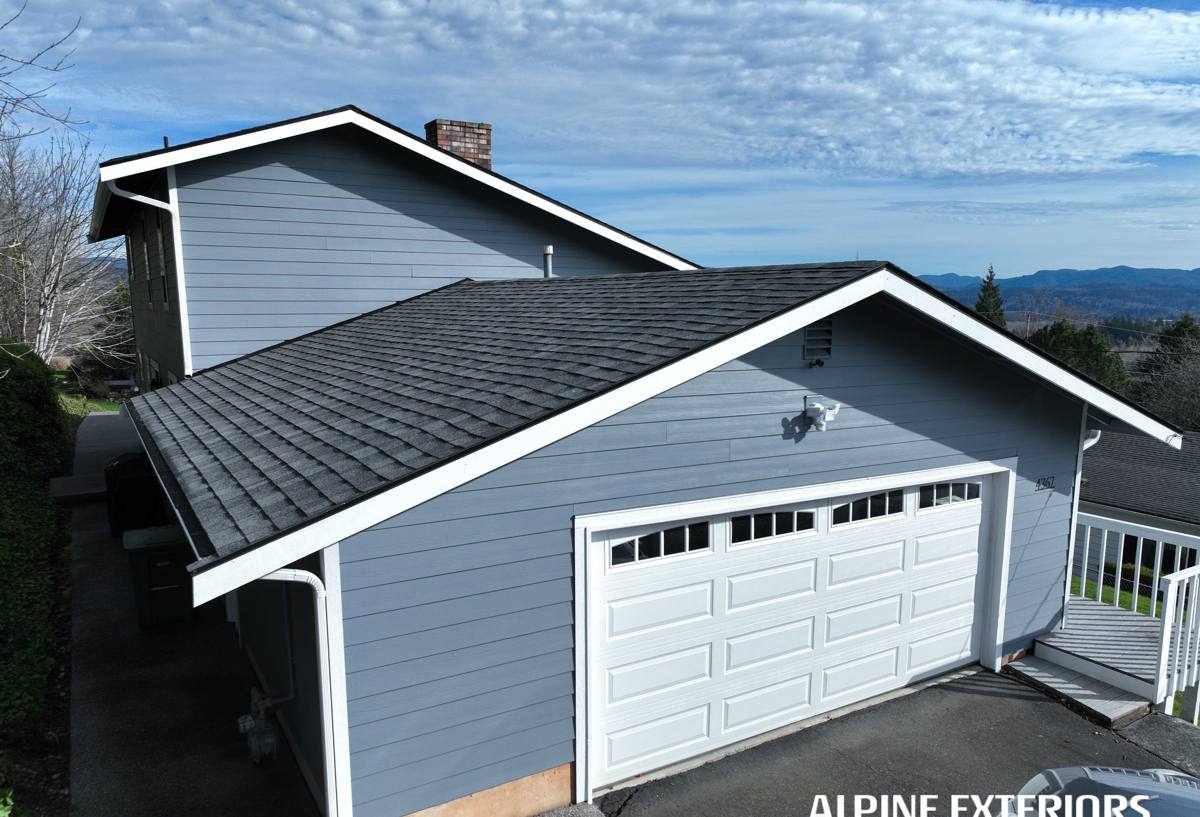
What the Coastal Environment Actually Does to a Shingle Roof
Wind
Treasure Island doesn't need a named storm to put real wind load on a roof. Steady onshore gusts stress the shingle tabs, the ridge cap, and — most often — the edges of the roof, where uplift starts. Most roof failures in wind don't begin in the field of the roof; they begin at an edge, a hip, or a ridge where the fastening or flashing wasn't done to spec, and then the wind gets underneath and starts peeling.
Salt air
Salt carried on the wind settles on every exposed surface, including metal roof components. Drip edge, flashing, ridge vents, and exposed fasteners that aren't corrosion-resistant will start showing rust or degrade faster here than they would even a few miles inland. It's a slow process, but it's constant, and it's one of the most common things we find shortened on cheaper installs.
UV exposure
Florida sun is hard on asphalt shingles everywhere, but a home near open water gets added reflected UV off the water surface. Over years, that accelerates the breakdown of asphalt oils in the shingle, which is what eventually shows up as granule loss, brittleness, and cracking.
Wind-driven rain
Rain that comes in sideways off the Gulf doesn't behave like rain falling straight down. It gets pushed up and under shingle tabs, into exposed nail heads, and around poorly sealed penetrations (vents, plumbing stacks, skylights). A roof that would stay dry in a calm rain can leak here if the underlayment and flashing details weren't built for wind-driven water.
What a Correctly Built Shingle Roof Needs in This Location
For a barrier-island home in Pinellas County, we treat the following as non-negotiable, not upgrades:
- A shingle product rated for high wind speeds, with a manufacturer-published wind warranty that matches or exceeds the local requirement — not just a base-line residential shingle.
- Synthetic underlayment (not old-style felt) for better tear resistance and water holdout during the time the roof deck is exposed and over the life of the roof.
- Corrosion-resistant flashing and fasteners at valleys, chimneys, walls, and penetrations — standard galvanized components degrade faster in salt air than coated or stainless options.
- Proper starter strip along eaves and rakes, not cut-down shingles used as a substitute — this is one of the most common shortcuts on lower-bid jobs and one of the first places wind gets a foothold.
- Correct nailing pattern and nail placement per the shingle manufacturer's high-wind installation instructions — this is what the wind warranty is actually based on, and it's invisible once the roof is done, which is exactly why it gets skipped by crews in a hurry.
- Balanced attic ventilation so heat and moisture aren't cooking the underside of the deck and shingles from below.
Tear-Off vs. Recover: Why We Don't Cut Corners on Barrier-Island Roofs
Recovering (installing new shingles over an old layer) is sometimes allowed by code and can look like a cheaper option. On a Treasure Island roof, we generally recommend against it. A recover hides the condition of the deck underneath, which means you can't confirm there's no rot, no old water damage, and no soft spots from years of salt-air moisture cycling. It also traps two layers of shingles that both have to perform in wind together, and it prevents installing the new underlayment directly against the deck, which is one of the main lines of defense against wind-driven rain.
A full tear-off lets us inspect the deck, replace any damaged sheathing before it becomes a bigger problem, and install underlayment, flashing, and starter strip correctly from the deck up. For a home exposed to the wind and salt load this island sees, that inspection step alone is worth more than the money saved on a recover.
Our Installation Process
1. Inspection and estimate
We look at the current roof, the deck condition where accessible, attic ventilation, flashing points, and any problem areas the homeowner has noticed (leaks, stains, missing shingles after wind events). We give an honest assessment of what the roof actually needs — repair, partial replacement, or full replacement.
2. Tear-off and deck inspection
Old roofing is removed down to the deck. Any damaged, delaminated, or soft sheathing is identified and replaced before anything new goes down — this step is where hidden problems from years of wind-driven rain or old leaks actually get found and fixed.
3. Underlayment and drip edge
Synthetic underlayment goes down over the clean deck, with drip edge installed at eaves and rakes to direct water away from the fascia and into the gutter system correctly.
4. Flashing
New flashing is installed at valleys, chimneys, sidewalls, and any roof penetrations (plumbing vents, exhaust fans, skylights). This is one of the most leak-prone areas on any roof, and it's where wind-driven rain finds gaps in a lower-quality install.
5. Starter strip and field shingles
Starter strip is installed along all edges — not cut shingles — followed by the field shingles, nailed per the manufacturer's high-wind pattern with the correct number and placement of fasteners.
6. Ridge, hip, and ventilation
Ridge and hip caps are installed, and ridge or other attic ventilation is set up or verified so the attic space can breathe properly. This affects how long the shingles and deck last from the underside, not just the topside.
7. Cleanup and final walkthrough
Job site and yard are cleared of debris and nails (magnetic sweep), and we walk the finished roof and the details with the homeowner before calling the job complete.
Attic Ventilation: The Part of the Roof You Don't See
A shingle roof isn't just what's on top — the attic underneath matters just as much for how long it lasts. In a Treasure Island home, hot, humid attic air that isn't properly exhausted will shorten the life of the shingles from underneath, well before UV and wind finish the job from above. Balanced intake (soffit vents) and exhaust (ridge vent or equivalent) keeps the deck and shingles at a more even temperature and moisture level, and it's a detail that's easy to get wrong on a quick re-roof if nobody checks the existing ventilation before covering it back up.
Materials and Cost Factors
Every roof is different, and we'll give you real numbers after a look at your specific roof, but the factors that typically drive cost on a Treasure Island shingle job are below. We don't work from a single flat price — we price based on what your roof actually needs.
| Factor | Why It Matters Here |
|---|---|
| Roof size and pitch | More area and steeper pitches mean more material, more labor, and more safety setup |
| Number of layers to remove | Multiple existing layers add tear-off time and disposal cost |
| Deck condition | Rot or soft sheathing found during tear-off needs replacement before new roofing goes down |
| Shingle wind rating chosen | Higher wind-rated shingle lines cost more but are worth it on an exposed island roof |
| Number of penetrations and valleys | Each vent, stack, skylight, or valley adds flashing labor and material |
| Ventilation upgrades needed | Adding or correcting soffit/ridge ventilation adds labor but protects the whole system |
Maintenance for a Salt-Air Environment
A well-installed shingle roof on Treasure Island still needs periodic attention because of the environment it lives in. A short list we give homeowners here:
- Have the roof looked at after any significant wind event, even if nothing looks obviously wrong from the ground.
- Keep gutters and downspouts clear so water isn't backing up under the edge of the roof during wind-driven rain.
- Watch for granule buildup in gutters — heavier-than-normal granule loss can be an early sign of UV and age catching up to the shingles.
- Trim back overhanging branches; salt air already stresses shingles, and constant shade/debris buildup adds moisture retention on top of that.
- Have flashing points (chimneys, vents, skylights) checked periodically — these fail before the shingle field usually does.
- Don't ignore small interior stains on a ceiling or in the attic — on a barrier-island roof, a small leak found early is a repair; ignored, it's a deck replacement.
Permits and Wind Requirements in Pinellas County
Roofing work in Pinellas County, including Treasure Island, requires a permit and has to meet current Florida Building Code wind provisions for the local wind zone. That code governs things like fastening schedules, underlayment requirements, and edge metal attachment — the details that actually determine whether a roof holds together in a wind event. We pull the required permits and build to code as a baseline, not as an extra. If a contractor offers to skip the permit to save time or money, that's a red flag, not a shortcut worth taking on a coastal roof.
Why Hiring a Crew That Already Works This Island Matters
Treasure Island roofs aren't a special product category, but they are a different installation problem than a roof five miles inland in Largo. A crew that regularly works barrier-island homes in Pinellas County already knows to spec the higher wind-rated shingle line, use corrosion-resistant flashing and fasteners without being asked, and pay attention to starter strip and edge detailing because they've seen what happens when those get skipped on an exposed roof. That experience shows up less in what the roof looks like on day one and more in how it holds up after the fifth or sixth wind event.
If you're weighing a repair versus a full replacement, or just want an honest look at where your current roof stands, we're glad to come take a look. The estimate is free, there's no pressure, and you'll get a straight answer about what your roof actually needs — use the form below to get started.