 Largo Siding
 Safety Harbor's Roofs Take a Different Kind of Beating
Safety Harbor sits close enough to Old Tampa Bay that homes here deal with a mix of stressors most inland roofs never see. You've got the same intense, near year-round Florida UV load baking shingles and membrane from above, the same wind-driven rain that gets forced sideways under flashing and starter courses during a summer storm, and on top of that, a steady dose of salt-laden air moving in off the water that accelerates corrosion on fasteners, flashing, and any exposed metal. Add in the wind loads that come with hurricane season, and you've got a roof system that's aging faster than the manufacturer's warranty paperwork would suggest.
None of this means Safety Harbor homeowners need to panic about their roof. It means the roof needs to be built and replaced correctly the first time, with materials and installation details matched to this specific environment — not a generic spec pulled off a shelf. That's the difference between a roof that looks fine for a few years and one that actually performs through a full Pinellas County storm season.
Signs a Repair Won't Cut It Anymore
A lot of homeowners call us wanting a patch, and sometimes that's the right call. But there's a point where repeated repairs stop making financial sense and start masking a bigger problem underneath. Watch for these signs:
- Granule loss heavy enough that you're finding sand-like buildup in gutters or at downspout outlets
- Shingles that are curling, cupping, or cracking across multiple sections of the roof, not just one localized spot
- Soft spots or noticeable give when walking the roof, which usually points to deck damage underneath
- Daylight visible through the attic decking, or water staining on ceilings and in the attic after storms
- A roof that's 18-20+ years old, regardless of how it looks from the ground — asphalt shingle roofs in this climate rarely make it much past that without significant issues
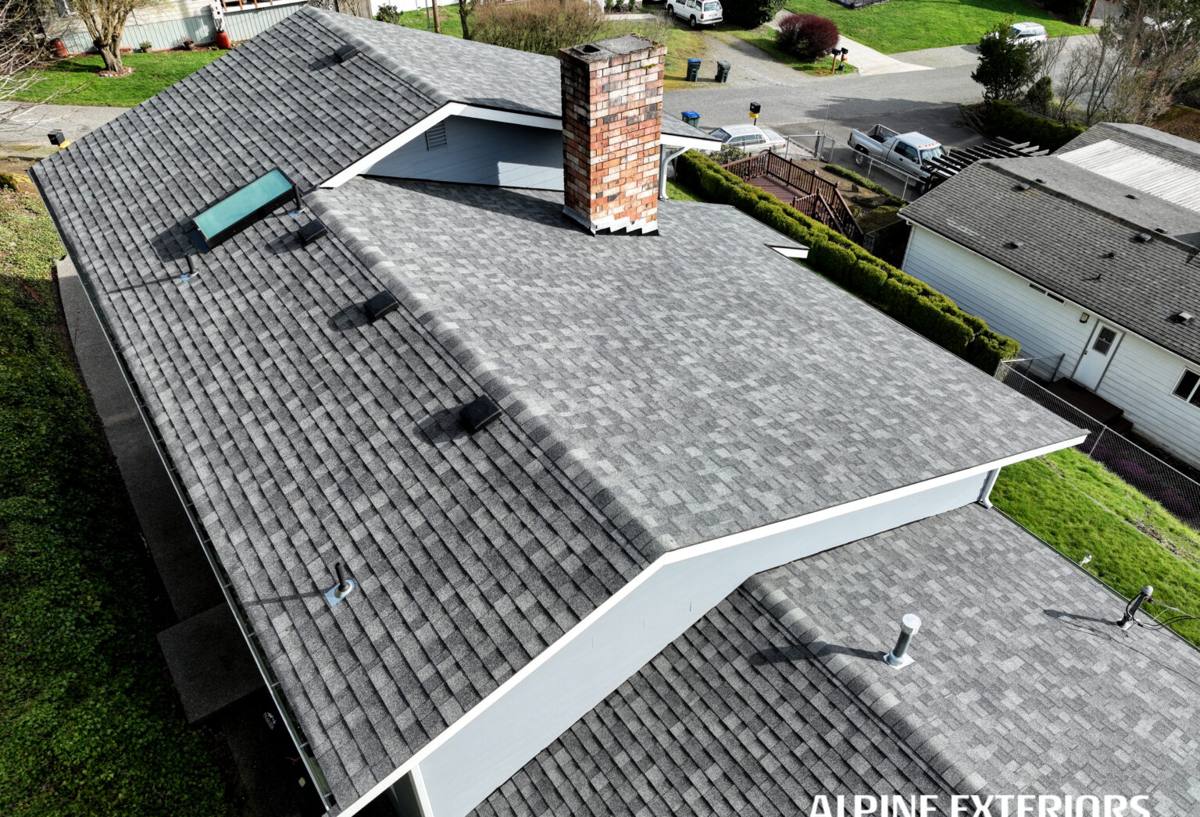
- Flashing around chimneys, vents, and skylights that's rusted, lifted, or was never properly step-flashed to begin with
If you're seeing two or more of these, a full replacement is usually the more honest recommendation — and often the more cost-effective one once you account for what you'd otherwise spend on repeated repair visits.
What a Correct Roof Replacement Actually Involves
It Starts Underneath, Not With the Shingles
The part of a roof replacement homeowners see — the new shingles or panels — is the last step, not the first. A correct job starts with a full tear-off to bare deck, because roofing over an existing layer traps moisture and hides deck damage that will only get worse. Once the old material is off, the deck gets inspected board by board. Any wood that's soft, delaminating, or water-stained gets replaced before anything else happens. Skipping this step is one of the most common shortcuts in the industry, and it's the one that causes the most expensive problems five years down the road.
Underlayment and Water Barrier
Given how much wind-driven rain this area sees, the underlayment layer matters as much as the shingle itself. We install a self-adhering water and ice barrier at eaves, valleys, and around every penetration — chimneys, vents, skylights — plus a synthetic underlayment across the rest of the field. This is the layer that actually keeps water out when wind pushes rain up and under the shingle tabs, which happens regularly during Pinellas County's summer storm pattern.
Flashing, Ventilation, and the Details That Get Skipped
Flashing at every wall intersection, chimney, and roof-to-roof transition needs to be properly step-flashed and counter-flashed, not just caulked and covered. Caulk is a maintenance item, not a waterproofing strategy. We also check and correct attic ventilation as part of every replacement — a roof deck that can't breathe traps heat and moisture, which shortens shingle life and can void manufacturer warranties outright. Salt air accelerates corrosion on exposed metal fasteners and flashing, so we spec corrosion-resistant materials rather than standard-grade hardware wherever it's exposed to the elements.
Roofing Material Options for a Safety Harbor Home
There's no single "best" roofing material for every home — it depends on your budget, roof pitch, HOA rules if applicable, and how long you plan to stay in the home. Here's an honest comparison of what we typically install or discuss with homeowners in this area:
| Material | Typical Lifespan Here | Wind/Storm Performance | Trade-offs |
|---|---|---|---|
| Architectural (dimensional) asphalt shingles | 18-25 years | Good, when rated 130+ mph and installed with proper nailing pattern | Most affordable; UV and heat still shorten lifespan versus cooler climates |
| 3-tab asphalt shingles | 12-18 years | Lower wind rating than architectural; less resistant to uplift | Lowest upfront cost, but shorter life and more frequent replacement in this climate |
| Standing seam metal | 40-50+ years | Excellent — high wind ratings, no granule loss to worry about | Higher upfront cost; requires an installer experienced with metal-specific flashing details |
| Concrete or clay tile | 50+ years (tile itself) | Very good when properly fastened, but underlayment typically needs replacement around 20-25 years | Heaviest option — requires the structure to support the load; higher install cost |
For most Safety Harbor homes replacing an aging asphalt roof, architectural shingles rated for high wind remain the most practical balance of cost and performance. We only recommend metal or tile when it genuinely fits the home's structure and the homeowner's long-term plans — not as an upsell.
Our Roof Replacement Process
- On-site inspection and honest assessment. We walk the roof, check the attic, and tell you plainly whether you need a repair or a replacement — we don't sell replacements to people who don't need one.
- Written estimate with material options. You get a clear breakdown of scope, materials, and pricing before any work starts, with no vague allowances hiding in the fine print.
- Permitting. We pull the required permit through the appropriate local building department before work begins — this isn't optional, and it protects you if there's ever an insurance question down the line.
- Tear-off and deck inspection. Full removal to bare deck, with any damaged decking documented and replaced before moving forward.
- Underlayment, flashing, and ventilation. Installed to current code and manufacturer specification, not the minimum that will pass a quick glance.
- Material installation. Shingles, metal panels, or tile installed per manufacturer's high-wind installation instructions, which typically means a tighter nailing pattern than the bare minimum.
- Final inspection and cleanup. We do our own walk-through, coordinate the local inspection where required, and make sure your property — gutters, landscaping, driveway — is left clean of debris and stray nails.
Permits, Wind Mitigation, and Insurance
Pinellas County and its municipalities require a permit for roof replacement, and for good reason — it's the mechanism that confirms the work was inspected and meets current wind-resistance code, which matters a great deal this close to the water. We handle the permit process as a standard part of every job.
It's also worth knowing that a new roof can affect your homeowner's insurance in a meaningful way. Many Florida insurers offer a wind mitigation discount for roofs installed to current code with documented features like a properly sealed roof deck, hip-style construction, or specific fastening methods. After a replacement, we can provide the documentation your insurance company will typically ask for to reassess your wind mitigation credit — it's a detail that's easy to overlook but can meaningfully lower your premium.
What Drives the Cost of a Roof Replacement
Every home is different, so we won't quote a number without seeing the roof, but these are the factors that move the price up or down:
| Factor | Effect on Cost |
|---|---|
| Roof size and number of facets/valleys | More cuts, flashing, and waste mean higher labor and material cost |
| Roof pitch and accessibility | Steep or hard-to-access roofs require more safety equipment and time |
| Deck condition | Rotted or damaged decking found during tear-off adds material and labor |
| Material choice | Asphalt shingles are the most budget-friendly; metal and tile cost more upfront but last longer |
| Layers of existing roofing | Multiple old layers mean more tear-off labor and disposal cost |
| Ventilation and flashing upgrades | Bringing older ventilation or flashing up to current standards adds modest cost but protects the new roof |
Broadly speaking, asphalt shingle replacements on typical single-family homes in this area run from the mid-to-high four figures into the low five figures depending on size and scope, with metal and tile running higher. We'll always give you specific numbers in writing after seeing your roof in person — not a phone estimate.
A Checklist for Vetting a Roofing Contractor
Whoever you hire for this, make sure you can check every box below before signing anything:
- Valid Florida roofing license, verifiable through the state license lookup
- General liability insurance and workers' compensation coverage, with certificates you can request directly
- A written, itemized estimate — not a verbal number or a single lump-sum figure with no breakdown
- Confirmation that they will pull the permit themselves, not ask you to pull it
- A clear tear-off-to-bare-deck scope, not a "roof-over" unless there's a specific, documented reason it's appropriate
- Manufacturer certification for the shingle or system being installed, which affects warranty coverage
- Local references or a track record of work in Pinellas County specifically
Why Local Experience in Safety Harbor Matters
A roofing crew that works this area regularly already knows the wind uplift requirements local building departments enforce, understands how salt air near the bay affects fastener and flashing choices, and has a feel for how the local storm pattern stresses a roof over time. That's not something you get from a crew that's mostly worked inland or out of state. It also means faster response if a storm does damage between now and your eventual replacement, and a contractor who's still around and reachable years later if a warranty question comes up.
We're based in Largo and work throughout Pinellas County, including Safety Harbor, so this isn't unfamiliar territory for us — it's the environment we build for every day.
If your roof is showing its age or you just want a straight answer about whether repair or replacement makes sense, we're happy to take a look. Fill out the form below for a free, no-pressure estimate — we'll walk the roof, give you honest numbers, and let you decide from there.