 Largo Siding
 Indian Rocks Beach Roofs Work Harder Than Most
A roof in Indian Rocks Beach doesn't have an easy job. It sits a few blocks from the Gulf, which means salt air is constantly working on every exposed fastener, flashing seam, and metal edge. It takes direct hits from wind-driven rain during summer thunderstorms and tropical systems. And it bakes under intense Florida UV nearly every day of the year, which breaks down roofing materials faster than in inland climates. None of that is unique to any one house on the barrier island — it's the baseline every roof here is built against.
When a named storm, a strong summer squall line, or even a fast-moving microburst comes through Pinellas County, roofs on Indian Rocks Beach and the surrounding Largo area take the brunt of it before the wind loses much strength moving inland. That's why storm damage repair here isn't just "roof repair with a storm as the excuse" — it's a specific job that has to account for wind uplift, driven-rain intrusion, and a coastal environment that punishes anything installed halfway.
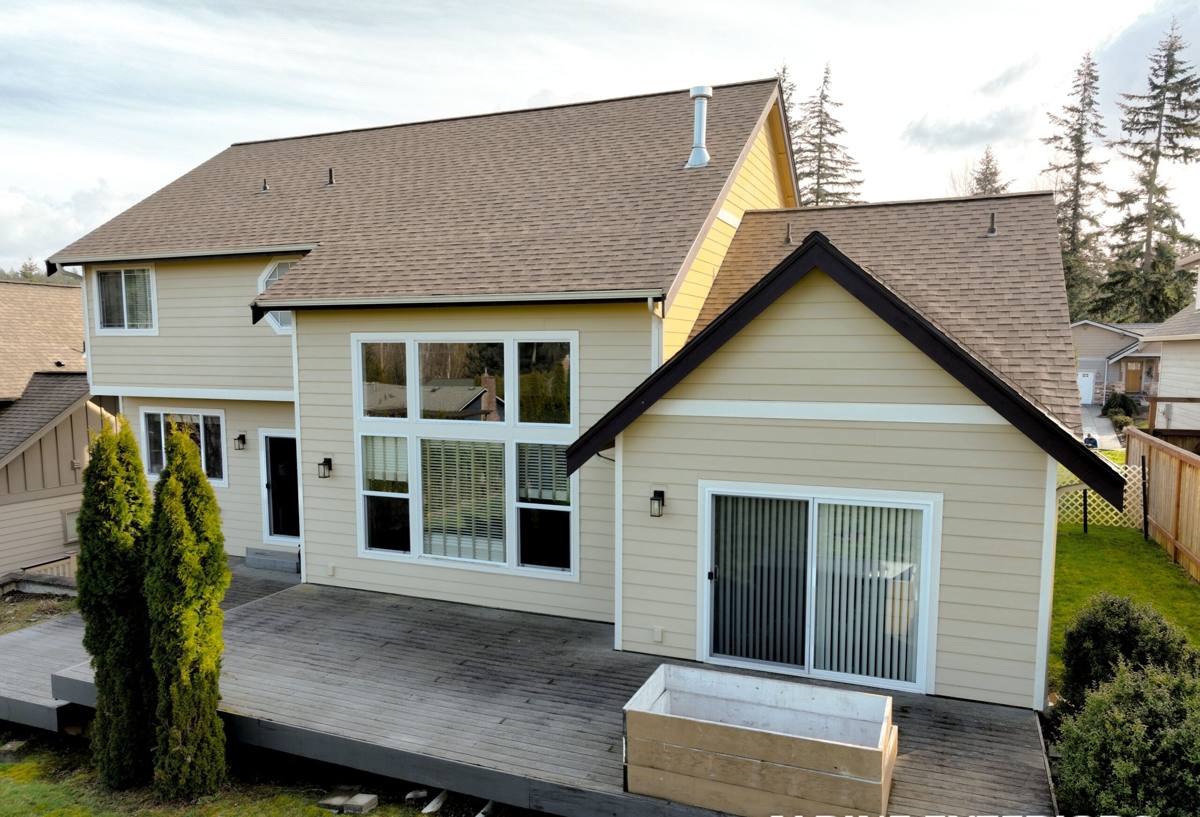
What Actually Counts as Storm Damage
Not all storm damage looks dramatic. Some of the most expensive problems start as something a homeowner barely notices.
Wind and Uplift Damage
Sustained wind and gusts can lift shingle tabs, loosen tile, or peel back the leading edge of a roofing system even when nothing looks obviously "broken" from the ground. Once a seal is broken, that section is no longer performing as a system — it's just loose material waiting for the next wind event to finish the job.
Wind-Driven Rain Intrusion
Florida storms rarely come straight down. Rain gets pushed sideways under shingle edges, through damaged flashing, and into vent boots that have cracked from UV exposure. This is the kind of damage that shows up later as a ceiling stain, not immediately after the storm — which is exactly why a professional inspection after any significant weather event matters, even if the roof "looks fine."
Impact and Debris Damage
Palm fronds, loose gutters, and airborne debris from neighboring properties are common on the barrier island during high wind. Impact damage can bruise or crack roofing material without a full puncture, which means it may not leak right away but has lost its ability to shed water correctly.
Why Waiting Costs More Than the Repair
The biggest mistake we see after a storm isn't a bad repair — it's no repair, or a long delay before one. A small area of compromised roofing does not stay small. Every rain event after the initial damage pushes more moisture into the decking, insulation, and eventually the framing underneath. In Florida's humidity, trapped moisture becomes mold and rot far faster than it would in a dry climate. What starts as a repair measured in a couple of hours can turn into a decking replacement, drywall repair, and mold remediation if it sits through even one more rainy season.
There's also a practical, financial reason to act quickly: most homeowners' insurance policies require timely reporting and documentation of storm damage. Damage that's addressed and photographed promptly is a much easier claim than damage discovered months later, when an adjuster can no longer tell whether it happened in the storm you're reporting or from ongoing neglect.
What a Correct Storm Damage Repair Includes
A proper storm repair is not just replacing the shingles or tiles you can see. It's a system-level fix. Here's what we check and address on every storm repair, regardless of how small the visible damage looks:
- Decking: Any water-stained, soft, or delaminated roof decking is replaced — patching over compromised decking just hides the problem.
- Underlayment: The water-resistant barrier beneath the roofing material is inspected and replaced in any affected section, not just spot-patched.
- Flashing: Step flashing, valley flashing, and counter-flashing around walls, chimneys, and roof penetrations are checked for lifted edges or corrosion, since this is where wind-driven rain most often gets in.
- Roofing material match: Replacement shingles or tiles are matched as closely as possible in profile and color so repaired sections don't stand out or perform differently than the surrounding roof.
- Vent boots and penetrations: Plumbing and exhaust vent boots are inspected for UV cracking, a very common source of slow leaks that get blamed on storms when they were already failing.
- Fastening pattern: Repairs are fastened to current wind-resistance standards, not just matched to whatever pattern was originally used, since older installations are often under-fastened by today's standards.
Our Storm Damage Repair Process
We keep the process straightforward because homeowners dealing with storm damage are usually stressed enough already.
- Inspection and documentation. We walk the roof (or use a drone when conditions call for it) and document every area of damage with photos, which becomes the backbone of your insurance claim if you're filing one.
- Emergency mitigation, if needed. If there's active water intrusion, we can tarp or dry-in the affected area to stop further damage while repairs are scheduled.
- Written scope and honest recommendation. We tell you plainly whether this is a repair or whether the damage and the roof's remaining life point toward replacement — see the comparison below.
- Repair. Decking, underlayment, flashing, and roofing material are addressed as a system, not a patch job.
- Final walkthrough. We review the completed work with you and provide documentation you can hand to your insurance company if needed.
Repair or Replace? What Determines the Right Call
Not every storm-damaged roof needs to be replaced, and not every roof is worth repairing. The honest answer depends on a few factors we walk through with every homeowner.
| Factor | Leans Toward Repair | Leans Toward Replacement |
|---|---|---|
| Extent of damage | Isolated to one slope or section | Spread across multiple areas of the roof |
| Roof age | Well within expected service life | Already near or past typical lifespan for its material |
| Decking condition | Dry, solid decking under the damage | Widespread soft or water-stained decking |
| Material availability | Matching shingles or tile still obtainable | Discontinued material that can't be reasonably matched |
| Storm history | First significant damage event | Repeated damage from multiple past storms |
We'll never push a full replacement when a proper repair will genuinely hold up — but we also won't recommend patching a roof that's going to keep failing on the next storm, because that ends up costing more in the long run.
Materials and Wind Performance for Coastal Homes
Florida's building code sets minimum wind-uplift and impact-resistance standards for roofing systems, and those standards matter more the closer a home sits to open water. On Indian Rocks Beach, we lean toward roofing materials and fastening methods rated for higher wind exposure, and we pay close attention to corrosion-resistant fasteners and flashing given the salt air. This isn't about upselling a premium product — it's about not installing a repair that we know will underperform in the exact conditions this home is going to face again.
We're also selective about sealants and adhesives used in coastal repairs. Materials that hold up fine in an inland neighborhood can degrade faster here from constant salt exposure and UV, so we choose products with a track record in coastal Florida conditions rather than whatever is cheapest or most convenient.
Working With Your Insurance Company
Filing a storm damage claim can be confusing, and we're not your insurance company — but we can make the process easier. Our inspection documentation is written and photographed in a way adjusters can actually use, which helps prevent a claim from getting delayed or underpaid because the damage wasn't clearly shown. If your adjuster's scope looks incomplete compared to what we found on the roof, we'll point out the discrepancy directly so you can address it with your carrier.
Why Local Indian Rocks Beach Experience Matters
A roofing crew that mostly works inland Pinellas County or the broader Tampa Bay area isn't necessarily prepared for what a barrier island roof has already been through by the time storm damage hits it. Salt air corrosion, sun-baked shingles, and prior storm patching all change how a roof behaves and how it should be repaired. Working in Indian Rocks Beach regularly means we already know what condition roofs in this specific environment tend to be in, what corners tend to get cut in older repairs, and what actually holds up here versus what just looks fine until the next storm.
Quick response time matters too. After a significant storm, roofing crews get backed up fast, and homes closest to the water are usually competing hardest for attention. Being an established, local Largo-based crew means Indian Rocks Beach isn't an outlying stop on our route — it's part of the area we already serve every week.
Get a Straight Answer About Your Roof
If your Indian Rocks Beach home has visible storm damage — or you just want a professional set of eyes on your roof after a rough weather stretch — we'll come take a look and give you a clear, honest assessment. There's no pressure and no obligation. Use the form below to request a free estimate.