 Largo Siding
 Why St. Petersburg Roofs Take a Different Kind of Beating
St. Petersburg sits on a peninsula surrounded by water on three sides, and that location shapes everything about how a roof ages here. It isn't one thing wearing your roof down — it's four things working on it at once, year after year.
Intense, near year-round UV breaks down asphalt shingles from the surface in, drying out the oils that keep them flexible and causing granule loss long before a roof in a milder climate would show it. Salt-laden air drifting in off the bay accelerates corrosion on exposed metal — nail heads, flashing, drip edge, vent stacks, and screws — which is often where a "small" roof leak actually starts. Wind-driven rain doesn't just fall straight down during a Gulf Coast storm; it gets pushed sideways and upward under shingle tabs, ridge caps, and flashing laps that were never designed to shed water from that angle. And hurricane-season wind gusts put uplift pressure on every edge, seam, and fastener on the roof, which is exactly where a repair either holds or fails.
None of this means a St. Petersburg roof is doomed — it means repairs here have to account for conditions a generic patch job doesn't. That's the difference between a repair that lasts a few years and one that lasts through the next several storm seasons.
The Roof Repair Problems We See Most Often Around St. Petersburg
Shingle Roofs
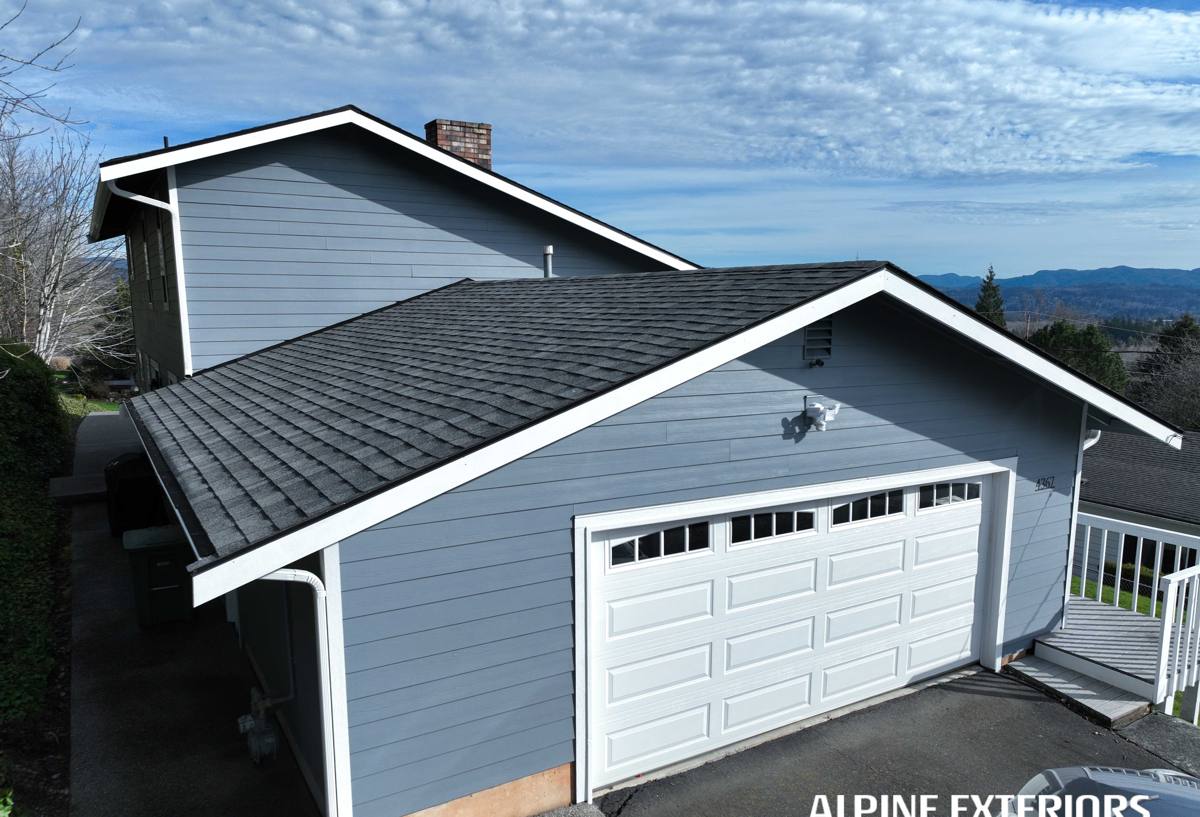
The most common calls are for lifted or missing shingle tabs after a windstorm, cracked and curling shingles from sun exposure, and granule loss that leaves the underlying mat exposed to UV. We also see a lot of nail pops, where fasteners back out as the deck and shingles expand and contract through Florida's heat cycles.
Tile Roofs
Tile is common in the area and holds up well structurally, but the underlayment beneath it is the part that actually keeps water out — the tile is mostly there to protect that layer and shed the bulk of the water. Cracked or slipped tiles, broken hip and ridge mortar, and aged underlayment at valleys and penetrations are the recurring issues we find.
Flat and Low-Slope Sections
Many St. Petersburg homes have a flat or low-slope section over a porch, lanai, or addition. These are more sensitive to ponding water and membrane seam failure, and they're often where a leak shows up first because there's less slope to move water away from a weak spot.
Flashing, Valleys, and Penetrations
Across every roof type, the areas around chimneys, skylights, vent stacks, and roof valleys are where we find the most repair-worthy damage. These are the joints between materials, and joints are always the weak point — especially once salt air has started corroding the metal.
What a Correct Roof Repair Actually Involves
A roof repair done right is not just sealing the spot where water is currently showing up inside the house. Interior water stains often show up several feet from where water is actually entering the roof, because water travels along the underlayment or decking before it drips through. A repair that only addresses the visible stain, without tracing the real entry point, tends to fail again within a season or two.
A proper repair on a St. Petersburg roof means:
- Tracing the leak to its actual source, not just the point where it's showing up inside
- Checking the roof deck underneath for soft spots, rot, or delamination before closing anything back up
- Replacing damaged underlayment in the repair area, not just the surface shingles or tiles
- Re-securing or replacing corroded fasteners and flashing, since salt-air corrosion is often the root cause
- Matching the repair materials to withstand the same wind-uplift forces the surrounding roof was built for
- Confirming the repair ties in cleanly with the existing roofing so it isn't a visible or functional weak point going forward
Skipping any of these steps is how a homeowner ends up paying for the same repair twice.
How Our Roof Repair Process Works
We keep the process straightforward because a roof repair shouldn't be a mystery to the homeowner paying for it.
- Inspection. We get on the roof (or use safe close-range inspection when access is limited) to look at the full roof, not just the spot you called about — a single repair often points to a related issue nearby.
- Diagnosis and explanation. We walk you through what's actually causing the problem, in plain language, before any work starts.
- Written scope and estimate. You get a clear description of what will be repaired and why, with pricing before we begin.
- The repair itself. We remove and replace only what needs it, matching materials and fastening patterns to the rest of your roof so the repair performs consistently with the surrounding area.
- Final check. We confirm the repair area sheds water correctly and that flashing, seams, and fasteners are secure before we consider the job done.
Repair or Replace? How to Think About the Decision
Not every roof problem needs a full replacement, and not every roof is a good candidate for another round of patching. We'll always give you an honest read on which side of that line your roof is on.
| Factor | Leans Toward Repair | Leans Toward Replacement |
|---|---|---|
| Age of roof | Well within expected service life for the material | Near or past the material's typical lifespan |
| Extent of damage | Isolated to one area or a few spots | Spread across multiple sections of the roof |
| Roof deck condition | Solid, no rot or soft spots found | Soft decking or widespread moisture damage |
| Repair history | First or second repair in this area | Same area has needed repeated repairs |
| Storm damage | Localized wind or debris damage | Widespread uplift, missing sections, or granule loss |
If your roof lands mostly in the repair column, we'll recommend a repair — we don't push replacements a roof doesn't need. If it's leaning the other way, we'll explain exactly why so you're making an informed call, not taking our word for it.
Materials We Use — and Why
When we repair a section of roof, our standard is to match it to what will actually hold up in this climate, not just what's cheapest to install. For shingle repairs, that generally means matching the existing shingle profile and, where the roof allows it, favoring products with stronger wind-rating and adhesive-strip performance suited to Gulf Coast wind exposure. For flashing and fasteners, we use corrosion-resistant metal rather than standard steel, since bare or lightly coated metal is exactly what salt air eats through first.
We're also honest about trade-offs. Some lower-cost repair materials save money upfront but require more frequent maintenance or don't handle wind-driven rain as well at seams and laps — we'll tell you that plainly rather than let you find out the hard way. Our goal is a repair that matches your existing roof's appearance and performs as well as, or better than, what's already up there.
Signs Your St. Petersburg Roof Needs a Repair Now
- Water stains on interior ceilings or walls, especially after wind-driven rain
- Missing, cracked, curling, or lifted shingles visible from the ground
- Granules collecting in gutters or at downspouts
- Cracked, slipped, or missing roof tiles
- Visible rust or corrosion on flashing, vent caps, or exposed fasteners
- Daylight visible through the roof deck from the attic
- Soft or spongy spots when walking a flat or low-slope section
- Any roof damage after a storm, even if you don't see an active leak yet
If you notice any of these, it's worth having someone look before the next round of wind-driven rain finds the weak spot.
Why It Matters That We Already Work in St. Petersburg
Roofing crews who don't regularly work in coastal Pinellas County can miss things that are second nature to a local crew — how far salt-air corrosion typically progresses on unprotected metal in a given number of years, which flashing details tend to fail first on homes built near the water, and what local wind exposure actually demands versus what a generic repair spec calls for. We work in and around St. Petersburg regularly, so we're not learning the area's roofing challenges on your job.
We're also familiar with the permitting and inspection expectations that apply to roofing work in this part of Pinellas County, and we build our repair scopes to meet current wind-resistance standards, not just the minimum needed to stop today's leak. That matters both for your roof's performance in the next storm and for your homeowner's insurance if a claim ever comes into play.
Get a Free, No-Pressure Estimate
If you've got a leak, storm damage, or a roof that's just showing its age, we're happy to take a look and give you an honest assessment — no pressure, no upsell. Fill out the form below and we'll schedule a time to inspect your roof and walk you through exactly what it needs.