 Largo Siding
 Why Safety Harbor's Bayfront Location Puts Extra Stress on Siding
Safety Harbor sits along Old Tampa Bay, which gives homes here a slightly different exposure profile than a house a few miles inland in Largo or Clearwater. Bayfront and near-bay properties catch more direct wind off the water, more airborne salt, and more sustained humidity against exterior walls. Add in the broader Pinellas County reality — hurricane-force wind events, wind-driven rain that gets forced sideways into wall assemblies, and some of the most intense year-round UV exposure in the continental United States — and siding here is doing real structural and protective work, not just cosmetic work.
Older siding materials show this stress first at the seams, the fastener lines, and anywhere water can find a path behind the cladding. Cracked caulk joints, chalky or faded paint, soft spots near the bottom courses, and panels that have started to bow or separate from the wall are all common signs that a home's siding is losing the fight against the local climate. On a bayfront or near-bay lot, that timeline is often shorter than it would be for the same house sitting inland.
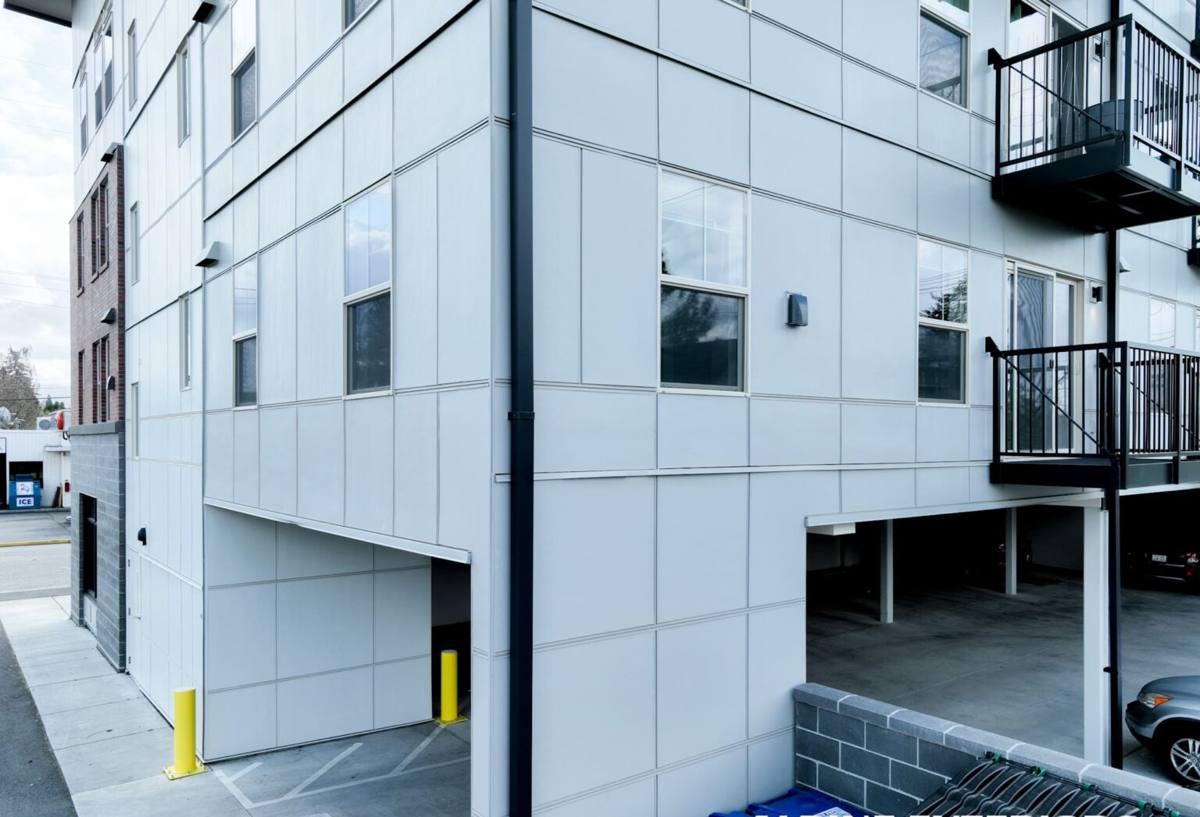
What a Correct Siding Replacement Actually Involves
Siding replacement is not just stripping off old panels and nailing up new ones. Done correctly, it's a system — the water-resistive barrier, the flashing details around windows and doors, the fastening pattern, and the siding material all have to work together. A crew that skips the underlying details can hand a homeowner a house that looks great for a year or two and then starts leaking at the trim.
The Parts Homeowners Don't See
- A continuous, properly lapped water-resistive barrier behind the siding
- Correct head, side, and sill flashing at every window and door opening
- Proper fastener type, spacing, and penetration depth for the specific siding product
- Rot-free, structurally sound sheathing underneath — not just new siding over a hidden problem
- Sealed and caulked joints at penetrations, corners, and trim transitions
Any of these steps done wrong will eventually show up as a moisture problem, and moisture problems in a humid, storm-prone county like Pinellas move faster than they would in a drier climate.
Why We Install Only James Hardie Fiber Cement Siding
We made a deliberate decision to install one siding system: James Hardie fiber cement. We don't install vinyl, LP SmartSide, Cemplank, Allura, or unprimed wood species like cedar or spruce, and that's worth explaining rather than just stating.
Vinyl softens and can warp under sustained high heat and direct sun — a real concern given how much direct UV Safety Harbor gets across a full year — and it can become brittle and crack on impact in colder snaps or storm debris. Wood-based and engineered wood products depend heavily on maintaining an intact factory coating; once that coating is breached by a fastener hole, an impact, or age, moisture gets into the substrate and the clock starts on rot, especially in a climate this humid. These aren't defects unique to any one brand — they're inherent trade-offs of the materials themselves, and they're trade-offs we're not willing to put on a home that has to survive coastal Florida weather for decades.
James Hardie fiber cement is cement, sand, and cellulose fiber — it doesn't burn, it doesn't rot, and it holds paint and color far more stably than wood-based products because it doesn't expand and contract with humidity the way wood does. Hardie also engineers specific product formulations, marketed as HZ5, for humid, high-moisture climates like ours, which is a meaningful difference from a one-size-fits-all siding product built for a national market.
Comparing the Common Options
| Material | Performance in Bay/Coastal Climate | Fire Resistance | Typical Lifespan Here |
|---|---|---|---|
| James Hardie fiber cement (HZ5) | Engineered for humidity; holds paint, resists moisture-driven warping | Non-combustible | 30+ years with proper install and basic care |
| Vinyl siding | Can soften, warp, or fade under sustained heat and UV; brittle under impact | Combustible | Highly variable; earlier fading and warping common near the coast |
| LP SmartSide / engineered wood | Coating-dependent; moisture intrusion at breaches leads to swelling and rot | Combustible | Shorter if coating is compromised in a humid climate |
| Cedar / primed spruce (unfinished or site-primed) | Needs frequent refinishing to resist humidity and insect activity | Combustible | Shortest without an aggressive maintenance schedule |
Choosing the Right Hardie Product for a Safety Harbor Home
Not every Hardie product is the same, and picking the right one matters more on a bayfront lot than it does further inland.
HardiePlank Lap Siding
The most common choice for single-family homes — horizontal lap boards that give a traditional or modern look depending on the reveal and profile chosen. This is usually the right starting point for most Safety Harbor homes.
HardiePanel Vertical Siding
Often used as an accent on gables, porch ceilings, or modern-style facades. Works well combined with lap siding for visual variation.
HardieShingle Siding
A shingle-style profile for homes going for a coastal or cottage look, without the maintenance burden of real wood shingles.
ColorPlus Factory Finish
Rather than field-painting after install, we can specify Hardie's factory-applied ColorPlus finish, which is baked on under controlled conditions and backed by its own finish warranty — a meaningful advantage in a climate where field-applied paint takes a beating from UV and humidity.
Our Siding Replacement Process
- On-site inspection — we walk the exterior, check for soft or rotted sheathing, evaluate current flashing and moisture history, and measure the home.
- Product and color selection — we walk through Hardie lines, profiles, and ColorPlus colors suited to the home's style and Safety Harbor's HOA or neighborhood character where relevant.
- Tear-off and sheathing check — old siding comes off and we inspect the wall sheathing underneath before anything new goes up. Any rot or damage gets addressed before re-siding, not covered over.
- Water-resistive barrier and flashing — a new barrier is installed correctly lapped, with proper flashing at every window, door, and penetration.
- Hardie installation to manufacturer spec — correct fasteners, spacing, and clearances, following James Hardie's published installation requirements so the warranty stays intact.
- Trim, caulking, and final detailing — joints sealed, corners finished, and a final walkthrough with the homeowner.
Signs a Safety Harbor Home May Need Siding Replacement Now
- Visible cracking, buckling, or warping in current siding panels
- Soft spots when you press on the siding near the bottom edges or corners
- Paint that's chalking, peeling, or fading unevenly across the home
- Gaps or separation at seams and around window and door trim
- A musty smell or visible staining on interior walls that back up to exterior siding
- Siding that's more than 20-25 years old and has never been replaced
- Storm damage from wind-driven debris, even if it looks minor from the ground
Cost Factors for Siding Replacement
Every home is different, but the main variables that move the price on a Safety Harbor siding replacement are fairly consistent.
| Factor | How It Affects Cost |
|---|---|
| Home size and wall complexity | More square footage, gables, and cutouts (windows/doors) mean more material and labor |
| Condition of existing sheathing | Rotted sheathing found during tear-off adds repair cost before new siding goes on |
| Hardie product line chosen | Lap vs. panel vs. shingle profiles, and factory ColorPlus finish vs. field paint, shift material cost |
| Trim and accessory work | Fascia, soffit, and trim replacement done alongside siding adds scope but avoids mismatched future repairs |
| Accessibility of the home | Two-story sections, tight lot lines, or landscaping that limits equipment access affect labor time |
We provide a detailed, itemized estimate after the on-site inspection rather than a phone quote, because the sheathing condition and trim scope genuinely change the number.
Why Hiring a Crew That Already Works in Safety Harbor Matters
A contractor who regularly works Pinellas County homes already understands the permitting expectations, the wind-load and flashing details that hold up against hurricane-season weather, and the specific wear patterns that show up on bayfront and near-bay properties versus homes further inland. That local familiarity shows up in faster, more accurate estimates and in installation decisions — like flashing details and fastener choices — that account for the actual conditions the siding will face, not just generic manufacturer minimums.
It also matters for warranty support. James Hardie's transferable warranty coverage depends on installation to their specification, and a crew that installs Hardie regularly and understands the product line is far more likely to get every detail right the first time, which protects both the look of the home and the coverage behind it.
Caring for Hardie Siding After Installation
One advantage of switching to fiber cement is how little ongoing maintenance it demands compared to wood or vinyl. A periodic rinse to clear salt residue and pollen, prompt recaulking if a joint ever opens up, and a visual check after major storms are really the extent of it. There's no repainting cycle to manage the way there is with wood siding, particularly when ColorPlus factory finish is specified.
If you're weighing siding replacement for a Safety Harbor home and want a straight answer about condition, options, and real costs, we're happy to walk the property with you. Fill out the form below for a free, no-pressure estimate.