 Largo Siding
 Roofing on a Barrier Island Is a Different Job
Madeira Beach sits exposed on the Gulf side of Pinellas County, and that location changes what a roof has to survive. Homes here take a steady beating from salt-laden air, near-constant UV exposure, wind-driven rain that finds its way under poorly sealed edges, and the real possibility of hurricane-force gusts during storm season. A roof replacement here isn't the same project as one a few miles inland in Largo. The materials, fastening methods, and detailing all need to account for a coastal environment that is actively working against the roof from day one.
We work on homes throughout Pinellas County, and Madeira Beach roofs consistently show the same wear patterns: fastener corrosion, granule loss from UV breakdown, lifted shingle edges from wind, and soffit or fascia damage from moisture that crept in slowly over years. Understanding those patterns is what separates a roof replacement that lasts from one that needs attention again in five years.
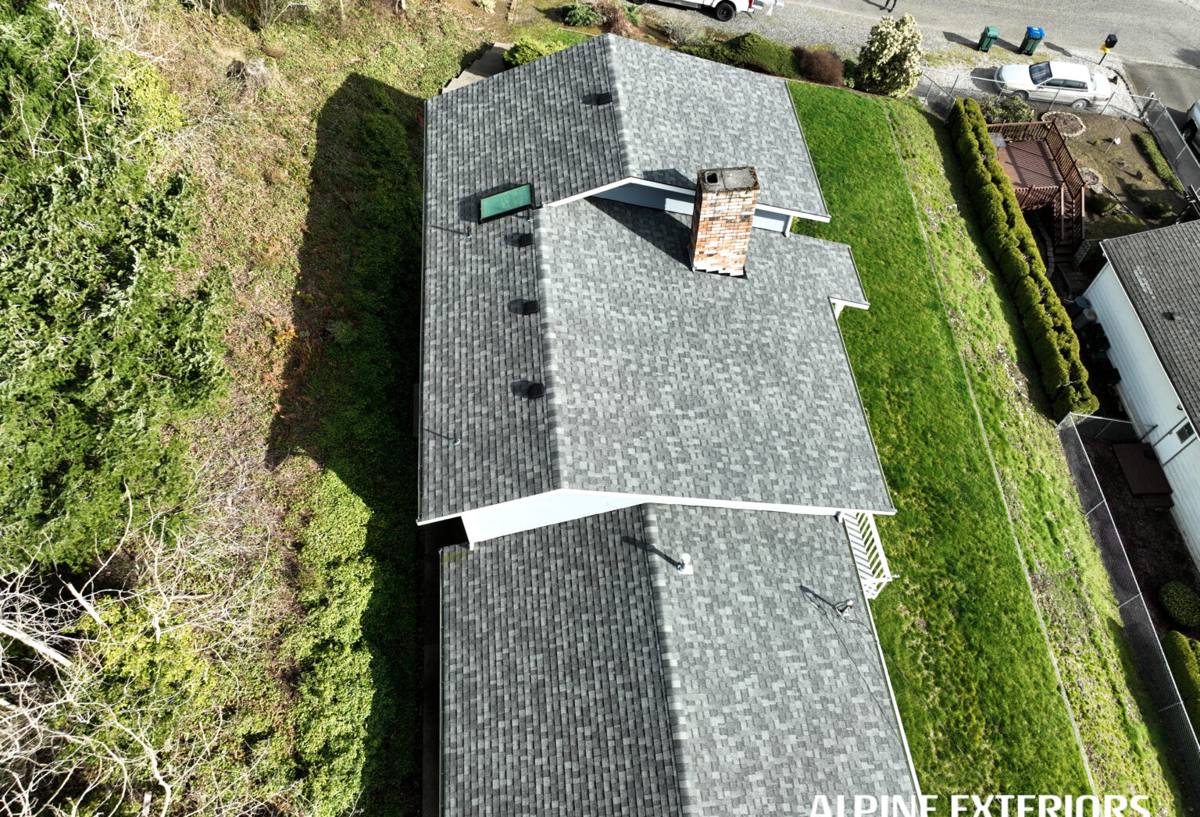
Signs a Roof Needs Replacement, Not Another Repair
Not every roofing problem calls for a full replacement, and we won't tell you it does when a repair will genuinely hold. But there's a point where patching becomes a losing game, especially on an older coastal roof. Here's what usually tips the scale toward replacement:
- Shingles that are curling, cupping, or losing granules across large sections of the roof, not just one isolated area
- Multiple past repairs in different spots, which usually means the underlying roofing system is failing broadly
- Soft spots or sagging in the roof deck, often a sign of moisture that has reached the wood
- Visible daylight through the attic or recurring leaks after every heavy rain
- A roof approaching or past the end of its material's realistic service life in a coastal climate
- Missing or damaged flashing around chimneys, vents, and valleys that keeps reopening after repair
If a roof is showing two or three of these at once, replacement is usually the more honest and more economical answer, since repeated repair costs add up without solving the underlying problem.
What Coastal Conditions Actually Do to a Roof
Wind
Hurricane-force wind doesn't need to make direct landfall to damage a roof. Sustained gusts test every shingle edge, ridge cap, and piece of flashing on the structure. A roof that was installed to minimum code, or installed years ago under older wind standards, is more vulnerable to lifting and edge failure than one installed to current Florida Building Code requirements for High-Velocity Hurricane Zones and wind-borne debris regions.
UV Exposure
Florida sun is intense year-round, not just in summer. UV breaks down the asphalt oils in shingles and degrades sealants faster here than in most of the country. That accelerated aging is part of why a roof rated for 25-30 years elsewhere often performs on the shorter end of that range in this climate.
Salt Air
Being close to the Gulf means airborne salt settles on roofing materials and metal components. Over time it accelerates corrosion on fasteners, flashing, and any exposed metal roofing that isn't rated for coastal exposure. This is one of the most overlooked factors in roof failure near the water, and it's a big reason material choice and fastener grade matter more here than a few miles inland.
Wind-Driven Rain
Rain that comes in sideways during a storm doesn't behave like rain falling straight down. It gets pushed under shingle edges, around vents, and into any gap in flashing or underlayment. A roofing system built for this climate needs underlayment and flashing details that assume water will be forced sideways, not just downward.
Comparing Roofing Materials for a Coastal Pinellas County Home
There's no single "best" roofing material for every home — the right choice depends on budget, the home's structure, and how long you plan to own the property. Here's an honest comparison of the main options we install and discuss with Madeira Beach homeowners.
| Material | Typical Lifespan (Coastal Use) | Wind Performance | Salt Air Considerations |
|---|---|---|---|
| Architectural asphalt shingle | 18-25 years | Good, with proper nailing pattern and rated products | Standard fasteners should be corrosion-resistant; regular inspection recommended |
| 3-tab asphalt shingle | 12-18 years | Lower wind rating than architectural shingles | Same salt exposure concerns, shorter service life reduces long-term value here |
| Standing seam metal | 30-45+ years | Excellent when properly fastened | Requires coastal-rated coatings and stainless or coated fasteners to resist corrosion |
| Concrete or clay tile | 30-50 years | Very good, but individual tiles can crack from debris impact | Performs well near salt air; underlayment failure is the more common long-term issue |
For most Madeira Beach homes, we steer the conversation toward architectural shingles rated for high-wind zones or standing seam metal, depending on budget and how long the homeowner plans to stay in the house. Both hold up well when installed correctly for this environment; the deciding factor is usually upfront cost versus long-term maintenance.
What a Correct Roof Replacement Actually Involves
A roof replacement is more than swapping old shingles for new ones. The parts of the system nobody sees are what determine whether the roof performs in a storm. A correct job includes:
Full Tear-Off and Deck Inspection
We remove the existing roofing material down to the deck rather than layering over it. This lets us actually inspect the plywood or OSB decking for rot, delamination, or soft spots, and replace any damaged sections before new material goes down. Roofing over a compromised deck just hides a problem that will resurface.
Underlayment Built for Wind-Driven Rain
We use underlayment systems suited to this climate, with attention to overlap and sealing at seams, valleys, and penetrations, since that's where wind-driven rain finds its way in first.
Flashing at Every Transition
Chimneys, skylights, vent stacks, and roof-to-wall transitions all need properly formed and sealed flashing. This is one of the most common failure points on older roofs and one of the easiest things to do right during a full replacement.
Fastening to Current Wind Standards
Nailing patterns and fastener types are chosen to meet Florida Building Code wind requirements for this area, not just the minimum needed to pass a cursory look.
Attic Ventilation
Proper intake and exhaust ventilation keeps heat and moisture from building up under the roof, which protects the decking and helps the shingles last closer to their rated lifespan in Florida's heat.
Permits and Wind Mitigation in Pinellas County
Roof replacement in Madeira Beach requires a permit through the appropriate local building department, and the work is inspected against Florida Building Code standards for this wind zone. We handle the permitting process as part of the job rather than leaving it to the homeowner to navigate.
It's also worth asking your insurance carrier about a wind mitigation inspection after a full roof replacement. A new roof installed to current code, with documented nailing patterns, secondary water barrier, and proper attachment, can sometimes qualify a home for insurance discounts. We can't promise a specific discount amount since that's determined by your carrier, but a correctly documented replacement puts you in the best position to ask.
Our Roof Replacement Process
- On-site inspection and honest assessment — we look at the roof, attic, and any interior signs of moisture before recommending replacement over repair
- Written estimate — clear pricing and material options, no pressure to decide on the spot
- Permitting — we pull the required permit and schedule inspections
- Tear-off and deck inspection — old material removed, deck checked and repaired as needed
- Underlayment, flashing, and material installation — installed to current wind code for this area
- Final walkthrough — we review the finished roof with you before considering the job done
We keep the property protected throughout with tarps and cleanup measures if weather turns during the project, and we don't leave a roof exposed overnight without protection when it can be avoided.
Why Local Experience in Madeira Beach Matters
A roofing crew that regularly works in coastal Pinellas County knows what to look for that a crew unfamiliar with barrier island conditions might miss: the corrosion patterns specific to salt exposure, the wind-load detailing required this close to the Gulf, and the local permitting process for this jurisdiction. That familiarity shows up in fewer surprises during the job and a roof that's actually built for the conditions it will face, not a generic installation dropped into a coastal environment.
We also stand behind the work with straightforward communication before, during, and after the job — no vague timelines, no surprise change orders for things that should have been caught during the initial inspection.
Questions to Ask Before Hiring a Roofing Contractor
- Are you licensed to perform roofing work in Florida, and can you provide that license number?
- Do you carry general liability and workers' compensation insurance?
- Will you pull the required permit, or is that left to me?
- What underlayment and flashing details do you use for wind-driven rain protection?
- Can you provide a written estimate that specifies materials, not just a total price?
- What is the manufacturer's warranty on the materials, and what does your workmanship warranty cover?
Any contractor who hesitates on these questions is worth reconsidering, especially for a project as significant as a full roof replacement.
Get a Free Estimate for Your Madeira Beach Roof
If your roof is showing its age or you want a straight answer about repair versus replacement, we're happy to take a look. The estimate is free, there's no pressure, and you'll get a clear explanation of what we find and what it would take to fix it right. Fill out the form below to get started.