 Largo Siding
 Roof Repair for Homes Along Indian Shores
Indian Shores sits on a narrow barrier island between the Gulf of Mexico and the Intracoastal Waterway, and that location puts more stress on a roof than almost anywhere else in Pinellas County. Homes and condos here take on salt air, direct Gulf wind, and driving rain from three sides, often with very little tree cover or higher ground to break the exposure. A roof repair here isn't just patching a leak — it's restoring a system that has to keep doing its job in one of the harshest residential climates in Florida.
Largo Siding Company handles roof repair work throughout the surrounding Pinellas County coastal area, including Indian Shores, and we approach every job with that exposure in mind. A repair that would hold up fine a few miles inland can fail fast on the island if it's not done with the right materials and the right attention to detail.
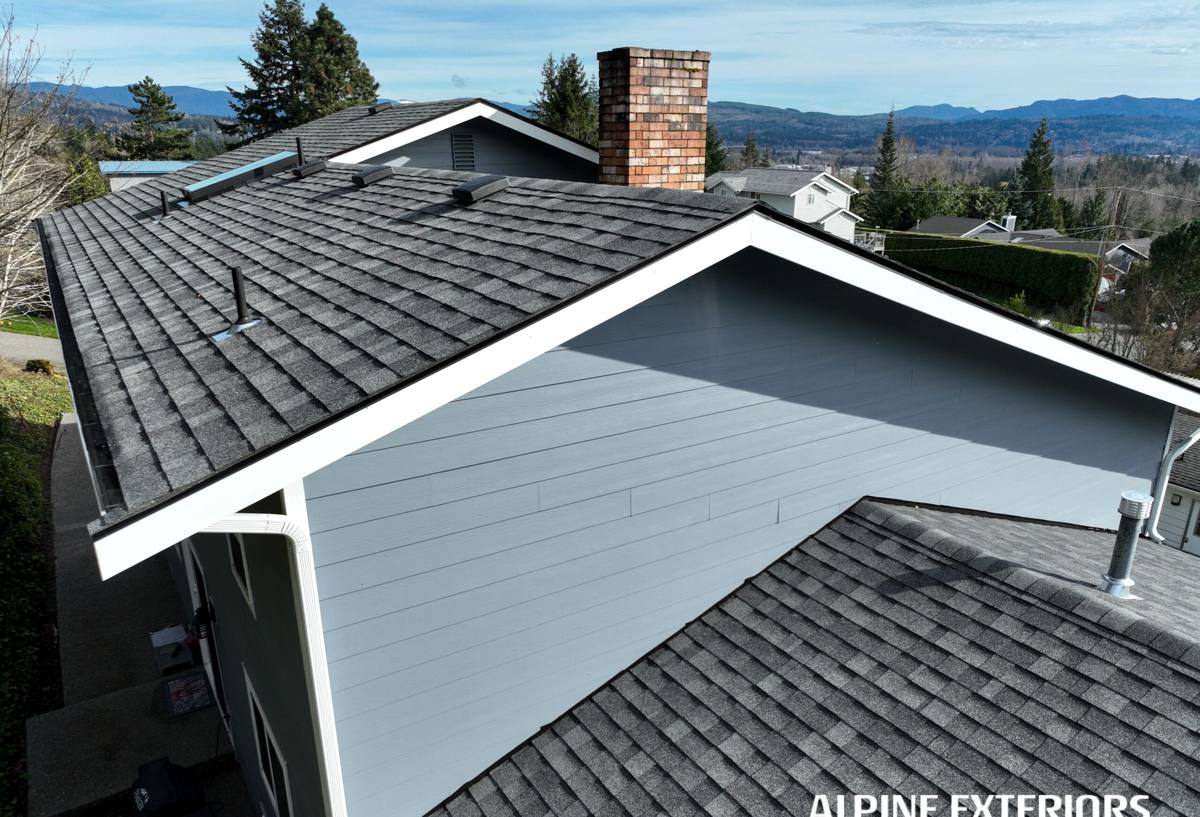
What the Coastal Climate Does to a Roof
Before we talk about the repair itself, it helps to understand what's actually working against the roof out here.
Salt Air and Corrosion
Airborne salt from the Gulf settles on every exposed surface, including fasteners, flashing, vents, and metal roof panels. Over time it accelerates corrosion on anything that isn't rated for coastal use. A repair that uses standard-grade fasteners or flashing might look fine on install day and start rusting within a year or two.
Year-Round UV Exposure
Florida sun is intense in every season, not just summer. UV breaks down asphalt shingle granules, dries out sealants, and makes flashing and boot seals brittle faster than in most of the country. On a barrier island with no shade canopy, that effect is even more pronounced.
Wind-Driven Rain
Ordinary rain falls straight down. Wind-driven rain off the Gulf comes in sideways, and it will find any gap in flashing, any lifted shingle tab, or any degraded seal around a vent pipe or skylight. Most of the leaks we're called out for in coastal areas aren't from a single storm — they're from small gaps that wind-driven rain has been working on for months.
Hurricane-Force Wind
Even outside of a named storm, Indian Shores sees regular gusty wind events off the water. Roof coverings and flashing here need to be installed to hold up under repeated wind loading, not just survive a single hurricane and call it good.
Signs a Roof Needs Repair
Most roof problems on the island show themselves in small ways long before there's an active leak inside the house. Homeowners who catch these early save money and avoid interior damage.
- Ceiling stains, especially near exterior walls or around chimneys and skylights
- Shingles that are curling, cracked, or missing granules
- Lifted or missing shingle tabs after a windy stretch
- Rust streaks below metal flashing, vents, or fastener heads
- Soft or spongy decking felt underfoot in the attic or on a walked roof
- Visible daylight through the roof deck from inside the attic
- Sand or granule buildup in gutters or at downspouts
- Cracked or lifted flashing around chimneys, pipes, and roof-to-wall joints
- A musty smell in upper rooms or closets, which often means moisture is getting into the attic space
Any one of these is worth a call. On its own, most of these issues is a straightforward repair. Left alone through a few more storm seasons, they turn into deck rot, interior damage, or a full replacement.
Roof Types in Indian Shores and What Repair Involves
The island has a mix of construction — beach houses, elevated homes, and low-rise condo buildings — and each roof type has its own common failure points and repair approach.
| Roof Type | Common Coastal Stressor | Typical Repair Approach |
|---|---|---|
| Asphalt shingle | UV breakdown, wind uplift on tabs and ridge caps | Replace damaged shingles and underlayment section, reseal exposed nail heads, check ridge vent sealing |
| Tile (clay or concrete) | Cracked or slipped tiles, degraded underlayment beneath sound-looking tile | Carefully lift and reset tiles, replace failed underlayment, re-secure with corrosion-resistant fasteners |
| Metal (standing seam or panel) | Fastener corrosion, sealant failure at seams and penetrations, panel fatigue at fastener points | Replace corroded fasteners with coastal-rated hardware, re-seal seams and penetrations, address any panel wear |
| Flat or low-slope (common on condos) | Ponding water, membrane seams opening, UV-brittle flashing at parapets | Patch or reinforce membrane seams, correct drainage where feasible, rebuild flashing at walls and edges |
Whatever the roof type, the repair is only as good as what's underneath it. A shingle or tile that looks fine on the surface can be sitting over underlayment that's already failed, which is why we don't just replace what's visibly damaged — we check the layer below it too.
What a Correct Repair Actually Involves
A roof repair done right is a sequence, not a single step. Skipping any part of it is how a "fixed" leak comes back after the next storm.
- Find the real source. Water travels along decking and framing before it shows up as a stain, so the visible damage inside is rarely directly above the actual entry point. We trace it back before opening anything up.
- Check the decking. If wood has been wet long enough, it softens or rots. Repairing the surface over compromised decking is a short-term fix at best.
- Match materials correctly. Mismatched shingle profiles, incompatible metals, or the wrong flashing gauge create new failure points. We match existing materials or use compatible coastal-rated alternatives when an exact match isn't available.
- Rebuild flashing and seals properly. Most coastal leaks come back because flashing was reinstalled without enough overlap or the wrong sealant was used for constant UV and salt exposure.
- Fasten for wind, not just gravity. Coastal repairs need fasteners and fastening patterns rated to hold against wind uplift, not just standard nailing schedules.
- Confirm code compliance. Repairs on coastal Pinellas County homes need to meet current Florida Building Code wind and moisture requirements, and permits may apply depending on the scope of work.
Repair or Replacement: How We Help You Decide
Not every roof issue needs a full replacement, but not every leak should just be patched either. We give homeowners a straight answer based on the roof's actual condition, not a sales pitch either direction.
| Factor | Favors Repair | Favors Replacement |
|---|---|---|
| Roof age | Well within expected service life | At or past the typical lifespan for its material |
| Extent of damage | Isolated to one section or penetration | Spread across multiple areas of the roof |
| Decking condition | Solid, dry decking under the affected area | Soft, rotted, or repeatedly wet decking |
| Repair history | First or second repair on this roof | Recurring repairs in the same or nearby areas |
| Storm exposure ahead | Roof otherwise sound heading into storm season | Roof condition creates real risk during hurricane season |
We'll always tell you honestly when a repair makes sense versus when you'd be spending money to delay a replacement you'll need soon anyway.
Our Repair Process
We keep the process straightforward, especially for homeowners dealing with an active leak.
- On-site inspection of the roof, attic, and any interior damage to find the actual cause
- A written explanation of what's wrong and what it will take to fix it, with photos where useful
- A clear estimate before any work starts, with no pressure to upgrade to a full replacement unless it's genuinely warranted
- Repair work using materials suited to coastal exposure, not just whatever's on the truck
- Cleanup of the work area, including removed materials and debris
- A walkthrough of the completed repair so you know exactly what was done
For active leaks during wet or windy weather, we prioritize getting the water stopped first, then follow up with the permanent repair once conditions allow it to be done properly.
Why Local Coastal Experience Matters
A roofer who mostly works inland jobs isn't necessarily wrong about roofing — they just may not be used to building for this exposure. Working regularly along the Pinellas County coastline, including Indian Shores, means being familiar with a few things that matter here specifically:
Materials Rated for Salt Exposure
Knowing which fasteners, flashing metals, and sealants actually hold up in salt air, versus which ones look fine at install and corrode within a couple of years.
Wind-Rated Installation Practices
Understanding the fastening patterns and flashing details that hold up under repeated coastal wind, not just a single storm event.
Condo and HOA Familiarity
Indian Shores has a fair number of low-rise condos and homeowner associations along the water, and repair work in those buildings often involves coordinating with property managers or boards, plus shared roof sections that need documentation for association records.
Storm Response
When wind or heavy rain damages a roof, a fast, correct temporary fix matters as much as the permanent repair. Being familiar with the area means being able to respond quickly without guessing at conditions.
Maintenance Between Repairs
A repaired roof still needs attention to get its full service life out of it, especially in this climate.
- Rinse accumulated salt residue off the roof surface periodically, especially on metal roofing
- Keep gutters clear so water isn't backing up under shingle or tile edges
- Trim back any vegetation that's creating shade moisture or debris buildup on the roof
- Have the roof looked at after any significant wind event, even if nothing looks obviously wrong from the ground
- Address small issues — a lifted shingle, a cracked pipe boot — before the next storm season rather than after
If you're dealing with a leak, storm damage, or just want an honest read on your roof's condition, we're happy to take a look. Fill out the form below for a free, no-pressure estimate.