 Largo Siding
 Windows Built for Seminole's Gulf Coast Exposure
Seminole sits in one of the more exposed stretches of Pinellas County, close enough to the Gulf that salt-laden air, wind-driven rain, and tropical storm systems are simply part of owning a home here. Windows take more abuse in this environment than almost any other part of a house. They're the first thing wind pressure pushes against during a storm, the first thing UV bakes all day, and the first thing salt air corrodes if the wrong materials were used. A window installation that would hold up fine in a drier, calmer inland climate can fail here in a fraction of the time.
We install windows for homeowners throughout Seminole and the surrounding Largo area, and the approach has to reflect that reality. This isn't about upselling every homeowner on the most expensive option available — it's about matching the product, the installation method, and the flashing details to what this specific part of the Florida Gulf Coast actually throws at a house year-round.
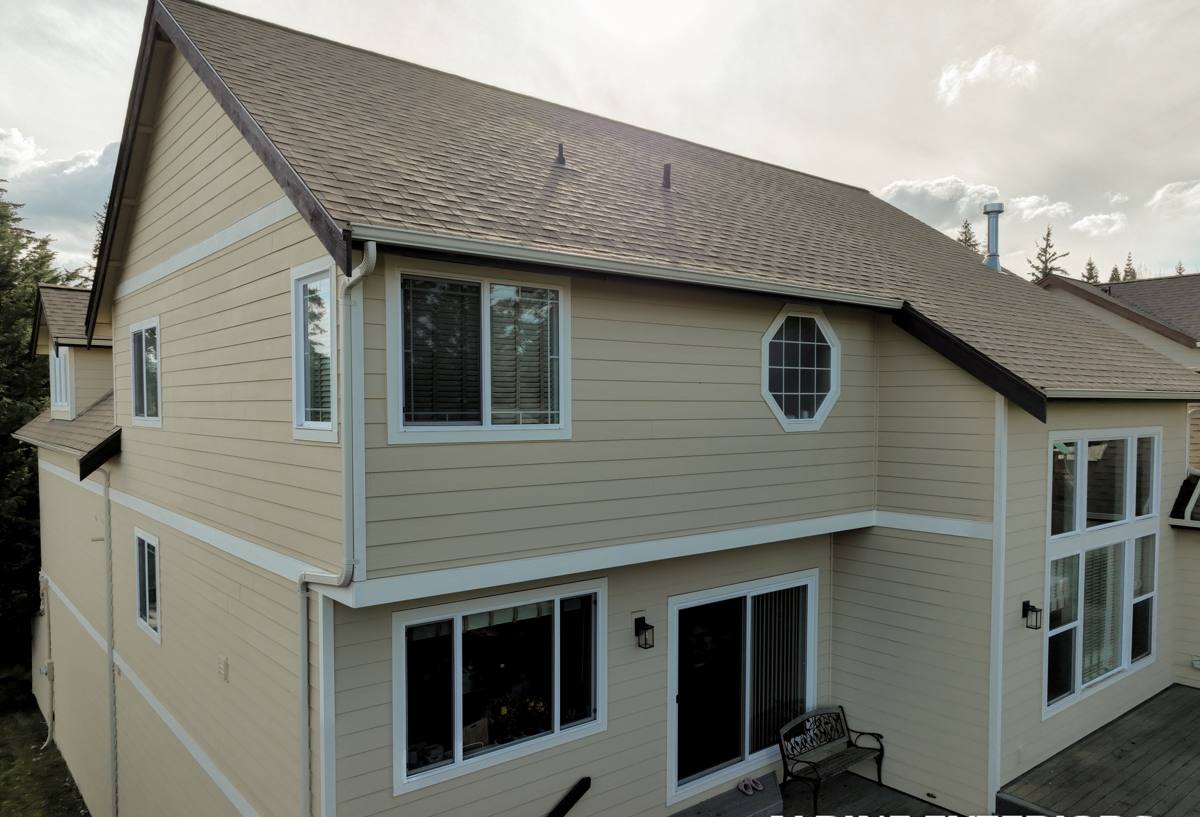
What Coastal Pinellas County Weather Does to a Window Over Time
A few specific stresses show up again and again on homes in this area:
- Wind pressure and wind-borne debris — tropical storms and hurricanes push and pull on window frames and glass with enough force to flex a poorly anchored unit or send debris through weak glazing.
- Wind-driven rain — rain that comes in sideways during storms finds any gap in flashing or sealant and drives water behind the frame, not just against it.
- Intense, near-constant UV — Florida sun is harder on vinyl, seals, and low-quality coatings than most manufacturers' warranties account for. Frames chalk, discolor, or go brittle years ahead of schedule if the materials aren't rated for it.
- Salt air corrosion — even a few miles inland from the coast, airborne salt attacks unprotected fasteners, hardware, and lower-grade aluminum components over time.
None of these show up as an emergency on day one. They show up two, five, or eight years later as a soft spot in the wall framing, a window that won't latch, or a frame that's discolored and pitted while the rest of the house still looks fine. Good installation is largely about preventing that slow damage, not just making the window look right on move-in day.
Signs a Seminole Home's Windows Are Past Their Service Life
Homeowners usually call us for one of two reasons: a specific problem they've noticed, or they're getting ready to sell or refinance and want the windows in solid shape first. Either way, the same warning signs tend to show up:
- Fogging or a hazy film between panes — the seal has failed and the insulating gas is gone
- Windows that are hard to open, close, or lock, or that rattle in the frame during windy weather
- Visible daylight, drafts, or a whistling sound around the frame when wind picks up
- Soft or discolored drywall, trim, or sill area near a window after heavy rain
- Chalky, faded, or warped frames, especially on west- and south-facing exposures
- Single-pane or older aluminum-frame windows original to homes built decades ago, with no impact rating
- A noticeably higher cooling bill compared to similar homes nearby
Any one of these on its own might not mean a full replacement is due. Several at once, especially combined with an older original installation, usually does.
What a Correct Window Installation Actually Involves
The window unit itself gets most of the attention in sales conversations, but in this climate the installation details matter just as much as the product — sometimes more. A high-end window installed with poor flashing will leak. A modest window installed correctly, with attention to the details below, will outperform it.
Product and Glass Selection
We talk through frame material (vinyl, aluminum, or fiberglass composite), glass package (standard insulated glass, laminated impact glass, or low-E coatings), and how each performs against sun exposure, salt air, and wind load. There's rarely one "best" answer — a west-facing wall of glass has different priorities than a shaded side window, and budget is a real factor for every homeowner.
Flashing and Moisture Management
This is the step that determines whether a window leaks in three years or never. Proper flashing means sealing the rough opening so water that gets past the window itself is directed back out, not into the wall cavity. It also means using the right sealants and backer materials — ones rated for constant UV and humidity exposure, not general-purpose caulk that dries out and cracks within a couple of Florida summers.
Anchoring for Wind Load
Fastener type, spacing, and embedment into structural framing all have to match the window's tested wind rating — not just be "close enough." A window rated for high wind pressure that's under-fastened or anchored into weak substrate doesn't actually perform to its rating. We follow manufacturer installation instructions and Florida Building Code fastening schedules rather than shortcuts, because that's the difference that shows up the next time a tropical system comes through.
Impact-Rated vs Standard Windows: What Fits a Seminole Home
One of the most common questions we get is whether a home actually needs impact-rated windows, or whether standard windows with separate shutters are enough. Both are legitimate approaches, and the right one depends on the home, the budget, and how the owner wants to manage storm prep.
| Factor | Impact-Rated Windows | Standard Windows + Shutters |
|---|---|---|
| Storm prep effort | None — always protected | Shutters must be installed before each storm |
| Upfront cost | Higher per opening | Lower window cost, added shutter cost |
| Everyday noise/UV reduction | Laminated glass cuts noise and UV year-round | Standard glass, no added benefit day-to-day |
| Appearance | No visible hardware, clean look | Shutter tracks or panels visible on the exterior |
| Insurance considerations | May help with wind mitigation credits | Depends on shutter type and rating used |
We install both approaches and will lay out the honest trade-offs for a specific home rather than steering everyone toward the more expensive option by default. What matters most is that whichever route is chosen actually meets the wind-borne debris protection requirements that apply in this part of the county — a mismatch between the window's rating and what the opening needs is the single biggest mistake we see from prior installs.
Permitting and Code Compliance in Pinellas County
Window replacement in this area is a permitted job, not an optional formality. Permits exist so that a third-party inspector confirms the fastening, flashing, and product rating actually match what the code requires for this wind zone — which protects the homeowner, not just the contractor. We pull permits, schedule inspections, and handle the paperwork as part of the job rather than treating it as an extra step the homeowner has to chase down separately. If a contractor offers to skip the permit "to save time," that's a red flag, not a favor — it usually means the work won't hold up under scrutiny if there's ever an insurance claim or a home sale inspection.
Our Installation Process, Start to Finish
- On-site assessment — we measure each opening, check the condition of the surrounding framing, and talk through product options based on the home's exposure and the owner's priorities.
- Product selection and proposal — a clear, itemized quote covering the window units, glass package, and installation scope, with no vague allowances.
- Permitting — we handle the permit application with Pinellas County or the applicable local jurisdiction before work begins.
- Removal and opening prep — old units come out carefully, and we inspect the rough opening for any hidden moisture damage before a new window ever goes in.
- Installation — proper flashing, sealants rated for this climate, and fastening that matches the window's tested wind rating.
- Final inspection and walkthrough — we confirm proper operation, sealing, and code sign-off, and walk the homeowner through what to expect and how to maintain the new windows.
Why a Crew That Already Works Seminole Matters
Window installation isn't one-size-fits-all across Florida, or even across Pinellas County. A crew that regularly works in Seminole and the greater Largo area already knows which failure patterns show up on which types of homes, has a working relationship with local permitting offices, and isn't guessing at the wind and moisture requirements that apply here. That familiarity shows up in fewer surprises during the job and fewer callbacks after it — which matters more in a climate that doesn't give a bad installation much time to reveal itself.
If you're weighing whether it's time to replace aging windows, dealing with a leak or draft, or just want a straight answer about what impact glass would cost for your home, we're glad to take a look. Reach out for a free, no-pressure estimate — the form below only takes a minute, and there's no obligation attached to it.