 Largo Siding
 Why Fiber Cement Makes Sense for Seminole Homes
Seminole sits close enough to the Gulf that salt-laden air is a year-round fact of life, not an occasional nuisance. Add in the intense UV exposure that comes with living in west-central Florida, the wind-driven rain that shows up with almost every summer storm, and the real possibility of hurricane-force winds during the season, and you've got a climate that is hard on exterior building materials. Siding here doesn't just need to look good on install day — it needs to hold its color, resist moisture intrusion, and stay fastened to the wall through decades of that punishment.
Fiber cement is one of the few siding materials engineered specifically to handle that combination. It doesn't rot when it gets wet, it doesn't warp in the heat, it isn't a fuel source in a wildfire or ember-blown fire event, and it can be manufactured to meet the wind-load requirements that Florida's building code demands for coastal counties like Pinellas. That's the baseline reason we recommend it for Seminole homes — and it's why, when we talk about "doing the job right" on this page, we're talking about fiber cement installed to the manufacturer's actual specifications, not just siding that's nailed up and looks fine from the street.
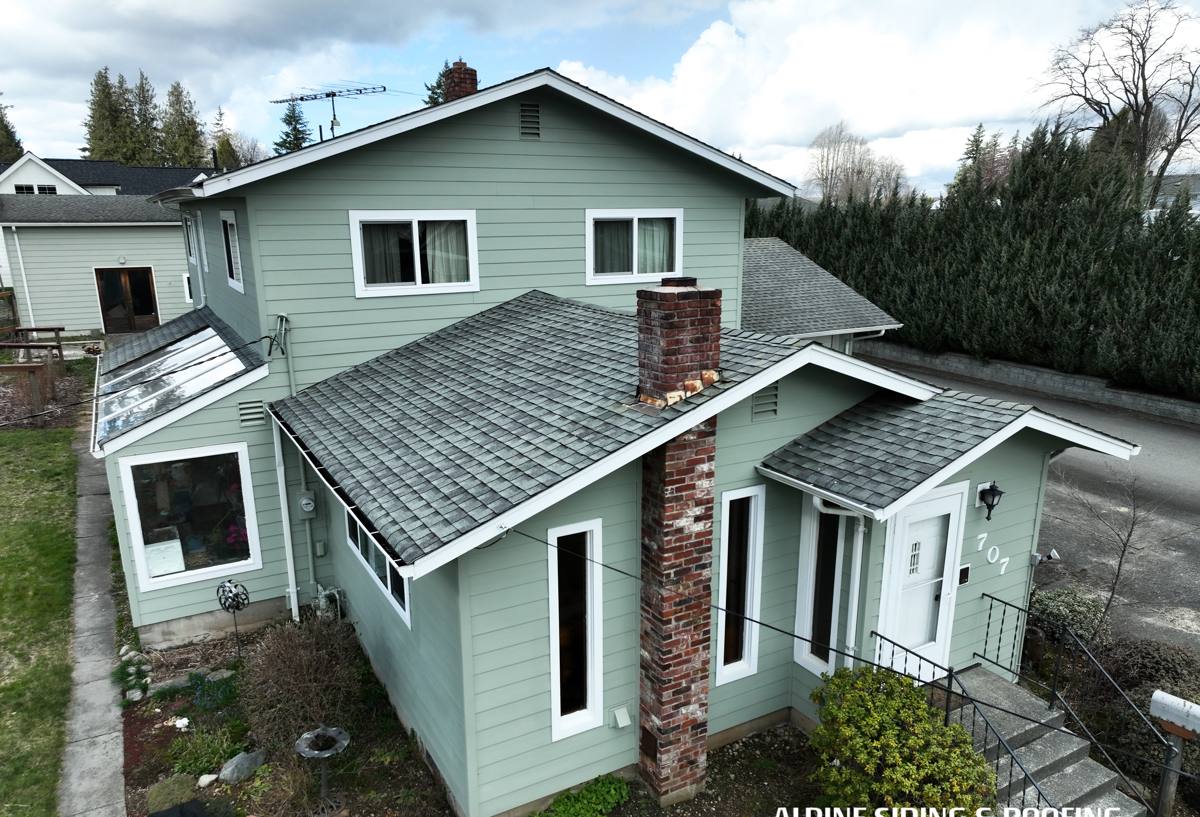
What a Correctly Installed Fiber Cement Job Actually Involves
Fiber cement siding is only as good as its installation. The board itself is durable, but the system around it — flashing, fastening pattern, clearances, joint treatment — is what determines whether it performs for 30-plus years or starts showing problems in five.
Manufacturer Specs Aren't Optional in This Climate
In a market like Seminole, where wind-driven rain regularly tests every seam and penetration in a home's exterior, the installation details matter more than they would in a drier, calmer climate. That means:
- Correct fastener type, spacing, and embedment depth — under-driven or over-driven nails are one of the most common causes of early siding failure
- Proper clearance between the bottom of the siding and the ground, roofline, decks, and patios so water doesn't wick into the board
- Flashing installed at every window, door, and horizontal trim transition, not just caulk covering a gap
- Correct joint treatment at butt seams so water can't track behind the plank
- House wrap or weather-resistive barrier installed and lapped correctly underneath the siding
Where We See Older Installs Go Wrong
When we're called out to look at siding on an older Seminole home, the board itself has usually held up fine — it's the details around it that failed. Caulk used in place of flashing, siding installed tight to a roofline with no gap, or fasteners driven in a rush without hitting the framing consistently. None of that is a fiber cement problem. It's an installation problem, and it's exactly what a correct re-side is supposed to fix.
Why We Only Install James Hardie in Seminole
We install James Hardie fiber cement siding exclusively. We don't install vinyl, LP SmartSide, or other fiber cement brands, and we don't install unfinished wood siding like primed spruce or cedar. That's a deliberate standard, not a sales preference.
James Hardie's fiber cement is non-combustible, which matters for insurance and fire-safety reasons regardless of climate. More relevant to Seminole specifically, Hardie engineers its HardieZone products for different climate zones — homes here fall into the HZ10 category, formulated for humid, high-moisture, high-UV Gulf Coast conditions. The factory-applied ColorPlus finish is baked on and backed by its own finish warranty, which matters in a market where UV exposure fades field-applied paint faster than most homeowners expect. And Hardie's product warranty is transferable, which adds real value if you sell the home down the road. We've chosen to build our business around one product system we can install to spec every time, rather than juggling multiple brands with different installation requirements and warranty terms.
Our Process, Start to Finish
Every Seminole project follows the same sequence, whether it's a full re-side or a section replacement after storm damage:
- On-site assessment. We look at the existing siding, sheathing, and moisture barrier condition, not just the surface. We're checking for hidden rot or water damage before we ever talk numbers.
- Written estimate. You get a clear scope of work — what's being removed, what product line and profile is going on, and what the trim and flashing plan looks like.
- Tear-off and inspection. Old siding comes off and we inspect the sheathing underneath. Any soft or water-damaged wood gets addressed before new siding goes on — covering it up would just hide the problem.
- Weather barrier and flashing. House wrap and flashing go in first, correctly lapped, at every window, door, and penetration.
- Siding installation. Hardie boards are installed to manufacturer fastening and clearance specs, not just "close enough."
- Trim, caulking, and final detail. Joints, corners, and trim are finished so the whole system sheds water the way it's designed to.
- Final walkthrough. We go over the finished job with you before we call it done.
Fiber Cement Compared to Other Siding Options
Homeowners comparing siding materials for a Seminole project usually land on some version of this comparison:
| Factor | James Hardie Fiber Cement | Vinyl | LP SmartSide / Engineered Wood |
|---|---|---|---|
| Moisture resistance | Resists rot; won't absorb water like wood | Doesn't rot, but can warp or crack in heat | Engineered to resist moisture, but edges are vulnerable if cut or damaged on site |
| Wind performance | Can be specified for high-wind coastal requirements | Prone to cracking or blow-off in sustained high wind | Reasonable wind performance when installed correctly |
| Fire resistance | Non-combustible | Combustible (petroleum-based product) | Combustible, engineered wood core |
| UV / color retention | Factory ColorPlus finish resists fading | Can fade and become brittle with UV exposure over time | Requires field-applied paint, which fades faster than factory finish |
| Typical lifespan when installed to spec | 30+ years | 20-30 years | Varies; more installation-sensitive |
This isn't a knock on every alternative product — vinyl and engineered wood both have their place. It's why, given what Seminole's climate does to an exterior over time, we've standardized on the option that holds up best across moisture, wind, fire, and UV all at once.
What Affects the Cost of a Seminole Fiber Cement Project
Every home is different, so we don't publish blanket per-square-foot pricing — but these are the factors that actually move the number on an estimate:
| Factor | Why It Matters |
|---|---|
| Home size and wall complexity | More corners, gables, and dormers mean more cutting, trim work, and labor time |
| Condition of the existing sheathing | Water-damaged sheathing found during tear-off adds repair scope before new siding can go on |
| Siding profile | Lap siding, board-and-batten, and panel systems each have different material and labor costs |
| Trim and detail work | Window and door surrounds, fascia, and soffit work add scope beyond the flat wall area |
| Full tear-off vs. partial repair | Storm damage repair to a section costs less than a full re-side, but won't always match older siding's fade |
Maintenance and Long-Term Performance in Pinellas County
One of the practical advantages of fiber cement in a Gulf Coast climate is how little it demands from a homeowner year to year. It doesn't need repainting on the schedule wood siding does, it won't corrode from salt air the way some metal trim can, and it isn't vulnerable to the pest issues untreated wood siding can develop in Florida's humidity. That said, no siding is maintenance-free. Caulked joints should be checked periodically, especially after a hard storm season, and any impact damage from wind-blown debris should be addressed before water finds its way behind the board. A quick rinse to remove salt buildup a couple times a year also helps keep the factory finish looking the way it's supposed to.
Why It Matters to Hire a Crew That Already Works in Seminole
Siding installation in Pinellas County isn't just about carpentry skill — it's about knowing the permitting process through the county and local building department, understanding the wind-load and product-approval requirements that apply to coastal Florida construction, and knowing how Gulf Coast humidity and salt exposure actually behave against a wall over time versus how they behave in a manufacturer's training manual written for a different climate. A crew that regularly works in and around Seminole has already dealt with the inspection process, already knows what a re-side on a coastal Pinellas home tends to reveal once the old siding comes off, and isn't learning those lessons on your house for the first time.
What to Ask Before You Hire
- Are you a certified James Hardie installer, and can you explain the difference between HardieZone HZ5 and HZ10 products?
- Will you inspect and address sheathing damage before installing new siding, not just cover it?
- What's your flashing and clearance plan around windows, doors, and rooflines?
- Is your estimate itemized enough that I know what happens if tear-off reveals hidden damage?
- Are you licensed and insured to work in Pinellas County, and can you provide proof?
If a contractor can't answer those questions clearly, that's worth noticing before you sign anything.
If your Seminole home needs new siding, storm-damage repair, or you're just trying to figure out whether a re-side makes sense right now, we're happy to take a look and walk you through what we find. Use the form below to request a free, no-pressure estimate.