 Largo Siding
 Redington Shores sits on the barrier island strip just west of Largo, and that stretch of coastline puts more stress on a roof than almost anywhere else in Pinellas County. Homes here take the full brunt of Gulf-driven weather with very little buffer — no inland tree cover, no distance from open water, nothing softening the wind before it hits the shingles or tile. When a roof on this part of the coast needs replacing, it isn't a generic project. It's a job that has to account for hurricane-force wind exposure, the amount of direct sun a roof surface takes here, sideways-driven rain during storms, and the steady corrosive effect of salt air on every metal fastener and flashing detail on the structure. We work on roofs in and around Redington Shores regularly, and the approach we take reflects what actually happens to a roof in this environment — not a one-size-fits-all replacement plan.
Why Roofs Near Redington Shores Wear Out Faster
A roof twenty miles inland and a roof on the Redington Shores barrier strip are not aging at the same rate, even if they're the same material installed the same year. The difference comes down to exposure. Direct Gulf-facing homes catch wind loads at full strength during tropical systems and even routine seasonal storms, with nothing to slow the wind down first. The sun here is intense and consistent nearly year-round, which breaks down asphalt shingle granules, underlayment, and sealants faster than in a milder climate. Add wind-driven rain that gets pushed sideways and up under roof edges and flashing rather than falling straight down, and salt air that never stops working on fasteners, drip edge, and any exposed metal, and you get a roof that ages on a shorter clock than the manufacturer's rated lifespan assumes.
None of that means a roof here is doomed to fail early. It means the materials, the fastening pattern, and the flashing details all have to be chosen and installed with this specific exposure in mind. A roof built the same way you'd build one in a sheltered inland neighborhood will underperform on this coastline, even with quality materials.
Where the Damage Actually Starts
It's rarely the field of the roof — the flat expanse of shingles or tile in the middle — that fails first. It's the edges, penetrations, and transitions: the drip edge along the perimeter, the flashing around vent stacks and chimneys, the valleys where two roof planes meet, and the fastener heads exposed to salt air. Wind gets underneath a roof at the edges first, rain finds its way in at flashing and valleys, and corrosion attacks exposed metal before it touches the shingle or tile itself. That's why a proper roof replacement puts as much attention into those details as it does into the material covering the rest of the roof.
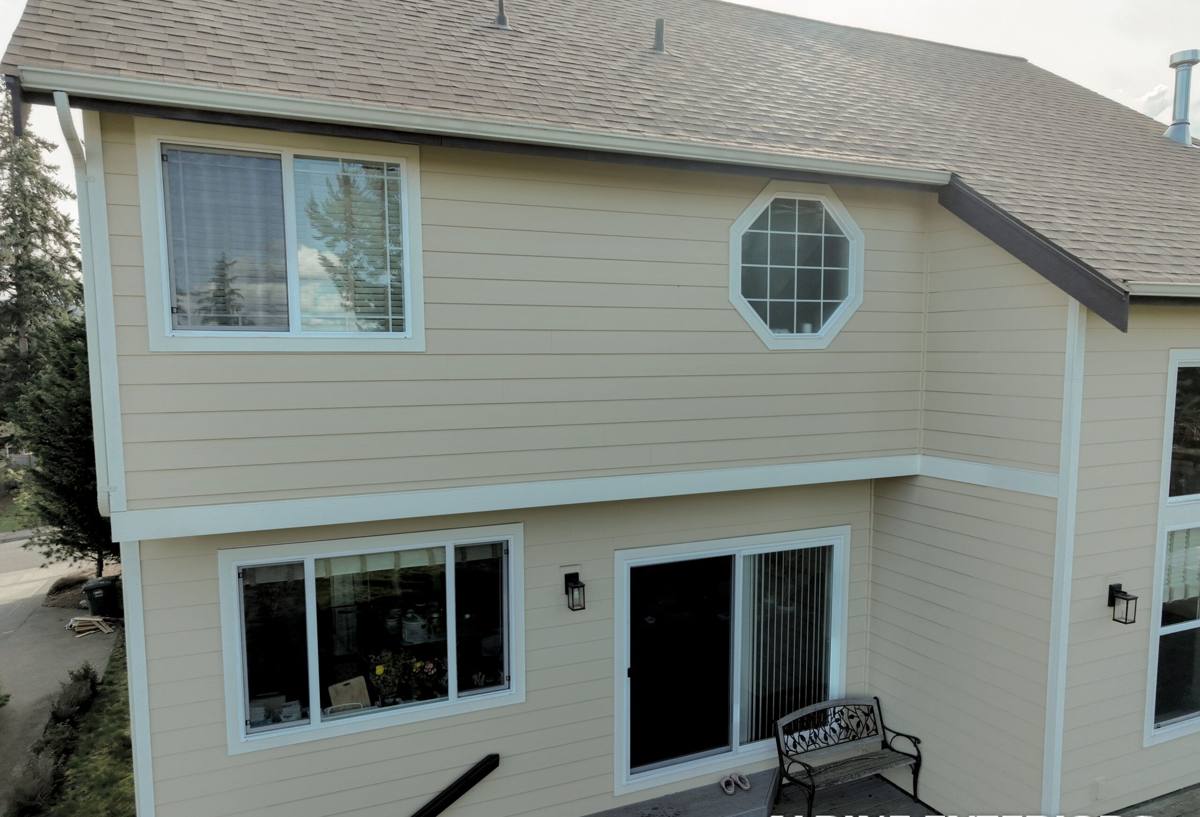
Signs a Redington Shores Roof Needs Replacement, Not Another Repair
Coastal homeowners often patch a roof for years before committing to a full replacement, and sometimes that's the right call. Other times, a patch is just delaying an inevitable full tear-off while moisture works its way into the decking underneath. A few signs point toward replacement rather than another repair:
- Granule loss heavy enough that shingles look bald or patchy, especially on the sun-exposed and wind-facing slopes
- Curling, cracking, or lifted shingle edges — a sign UV and wind have already broken down the material's flexibility
- Multiple past repairs in different areas, which usually means the roof as a whole is past its functional life, not just the one spot that got fixed
- Soft spots, sagging, or visible water staining on the underside of the roof deck or in the attic
- Rusted or corroded flashing, fasteners, or metal edge details, common on homes this close to the Gulf
- A roof approaching or past its rated lifespan, especially if it was installed without upgraded underlayment or coastal-rated fasteners
- Difficulty getting affordable insurance coverage or a wind mitigation credit because of the roof's age or condition
If you're seeing more than one of these, a repair is usually just buying a little time rather than solving the underlying problem.
Roofing Materials That Actually Hold Up Here
There isn't one universally "best" roofing material for a Redington Shores home — it depends on the structure, the budget, and how the homeowner weighs upfront cost against long-term maintenance. What matters is understanding how each option actually performs under this coastline's specific combination of wind, UV, rain, and salt.
| Material | Wind performance | Coastal durability | Typical upfront cost |
|---|---|---|---|
| Architectural asphalt shingle | Good, when rated and fastened for high-wind zones | Moderate — UV and salt air shorten lifespan versus inland installs | Lowest of the three |
| Concrete or clay tile | Very good when correctly fastened; heavy, so structure must support it | Tile itself holds up well; the underlayment beneath it is the real waterproofing layer and the more common failure point | Mid to high |
| Standing seam metal | Excellent wind uplift resistance with proper attachment | Strong if a marine-grade or coated metal is used; lesser coatings corrode faster in salt air | Highest |
Asphalt shingle roofs remain common because of cost and familiarity, and a quality architectural shingle rated for high wind performs well here as long as it's fastened correctly and paired with proper underlayment. Tile roofs are common in this part of Florida and can last a long time, but the tile itself isn't what keeps water out — the underlayment underneath it is doing that job, and it's often overlooked during a "roof replacement" that really just swaps tiles without addressing what's beneath them. Standing seam metal costs more upfront but offers the best wind performance of the three when properly installed, and a coastal-rated finish resists salt corrosion far better than a standard coating.
What a Correct Roof Replacement Involves
Full Tear-Off and Deck Inspection
We don't install new roofing over old material or skip inspecting the deck underneath. A full tear-off is the only way to see the actual condition of the roof deck, and on coastal homes we regularly find soft or water-damaged decking that a surface-level repair would have covered up rather than fixed. Any damaged decking gets replaced before anything new goes on.
Underlayment Upgrade
This is the layer doing the real waterproofing work, especially under tile. On a coastal replacement, we use underlayment rated for this kind of wind-driven rain exposure rather than the minimum a manufacturer allows, because the margin for error here is smaller than it is inland.
Wind-Rated Fastening
Fastener pattern and type matter as much as the roofing material itself. A shingle or tile roof fastened to a standard inland pattern will underperform in a direct Gulf-facing wind event. We fasten to the wind rating the home's exposure actually requires, not a generic minimum.
Flashing and Edge Detail
Since this is where failures start, we treat flashing around penetrations, valleys, and the roof perimeter as a core part of the job, not a finishing touch. Corrosion-resistant flashing material is standard on a coastal install, not an upgrade.
Ventilation
A roof system needs to breathe. Poor attic ventilation traps heat and moisture, which shortens the life of the new roofing material from underneath — a slow problem that has nothing to do with wind or rain but still cuts a roof's lifespan short if it's ignored during replacement.
Permits, Wind Mitigation, and Insurance in Pinellas County
A full roof replacement in Pinellas County requires a building permit, and the work has to meet current Florida Building Code wind load and wind-borne debris requirements for this coastal region — that's not optional and it's not something a reputable contractor skips to save time. Beyond the permit itself, a new roof is also the point where a wind mitigation inspection makes the most sense. That inspection documents the roof's construction details — fastening pattern, roof-to-wall connections, roof shape, and more — and can qualify the home for meaningful discounts on windstorm insurance, which matters a great deal for coastal Pinellas County properties where premiums run high. We handle the permit process as part of the job and can point you toward getting a wind mitigation inspection scheduled once the new roof is in place.
Practical Checklist for Homeowners Before Signing a Roofing Contract
- Confirm the contractor is pulling a permit for the job, not working around it
- Ask what wind rating the roofing system will be installed to for your specific location
- Get the underlayment type specified in writing, especially for a tile roof
- Ask how flashing and penetrations will be handled, not just the field of the roof
- Confirm what happens if deck damage is found during tear-off, and how that's priced
- Ask whether the completed roof will support a wind mitigation inspection for insurance purposes
Cost Factors on a Redington Shores Roof Replacement
Every roof replacement estimate is specific to the house, but the same handful of factors drive most of the variation we see on coastal Pinellas County homes:
| Factor | How it affects the job |
|---|---|
| Roof size and pitch | More surface area and steeper slopes increase material and labor |
| Existing layers and tear-off | Multiple layers of old roofing add removal time and disposal cost |
| Decking condition | Water-damaged decking found during tear-off needs replacement before new roofing goes on |
| Material choice | Asphalt shingle, tile, and metal carry different upfront costs and installation labor |
| Underlayment upgrade | Higher-grade underlayment costs more but matters more on this coastline |
| Number of penetrations and valleys | Chimneys, vents, skylights, and valleys each add flashing work |
| Permit and inspection requirements | Coastal wind code compliance and documentation add administrative steps, not just labor |
Our Process, Start to Finish
- On-site inspection — we assess the current roof, the deck condition where visible, and the home's specific wind exposure
- Honest recommendation — material options explained with real trade-offs for this location, not a generic upsell
- Permitting — we pull the required permit and build the job to current Florida Building Code wind requirements for this coastal area
- Full tear-off — old roofing removed down to the deck, with decking condition checked directly rather than assumed
- Deck repair — any damaged decking replaced before new roofing goes on
- Underlayment and fastening — installed to the wind rating and moisture exposure this location actually requires
- Flashing and ventilation — detailed at every penetration, valley, and edge, with attic ventilation checked as part of the job
- Final inspection and cleanup — completed roof passes required inspections, site cleaned, documentation provided for insurance or wind mitigation purposes
Why Local Experience in This Area Matters
A roofing crew that mostly works inland neighborhoods doesn't build the same habits as one that works this barrier island coastline regularly. Knowing how hard direct Gulf wind actually hits a roof edge, how fast salt air corrodes an unprotected fastener, and which flashing details tend to fail first on homes exposed the way Redington Shores homes are exposed — that comes from doing the work here repeatedly, not from a manufacturer's install manual written for a national average climate. It also means we're familiar with the permitting expectations in this part of Pinellas County and don't treat that step as an afterthought. For a homeowner, that translates into fewer surprises mid-project and a roof that's actually built for the conditions it has to survive, not just installed correctly on paper.
If your roof near Redington Shores is showing its age or you're planning ahead of hurricane season, we're happy to take a look and give you a straightforward, no-pressure estimate. There's a form below — reach out and we'll get a time scheduled.