 Largo Siding
 Roofing Built for a Barrier Island, Not Just Any House
Redington Shores sits right on the Gulf, and that location changes what a roof has to survive. A shingle or tile system that would be fine forty miles inland gets a rougher run out here: salt-laden air working on every exposed fastener, wind gusts with almost nothing to slow them down before they hit the roof deck, and sun exposure that runs nearly year-round instead of seasonal. When we install a new roof for a Redington Shores home, we're not just following a manufacturer's install guide — we're accounting for a coastal microclimate that ages roofing materials faster than the rest of Pinellas County.
This page covers what that actually means for a new roof installation: the materials that hold up out here, what a correct install looks like layer by layer, how our process works from first call to final inspection, and why it matters to hire a crew that already works this specific stretch of the Gulf beaches instead of a general contractor passing through.
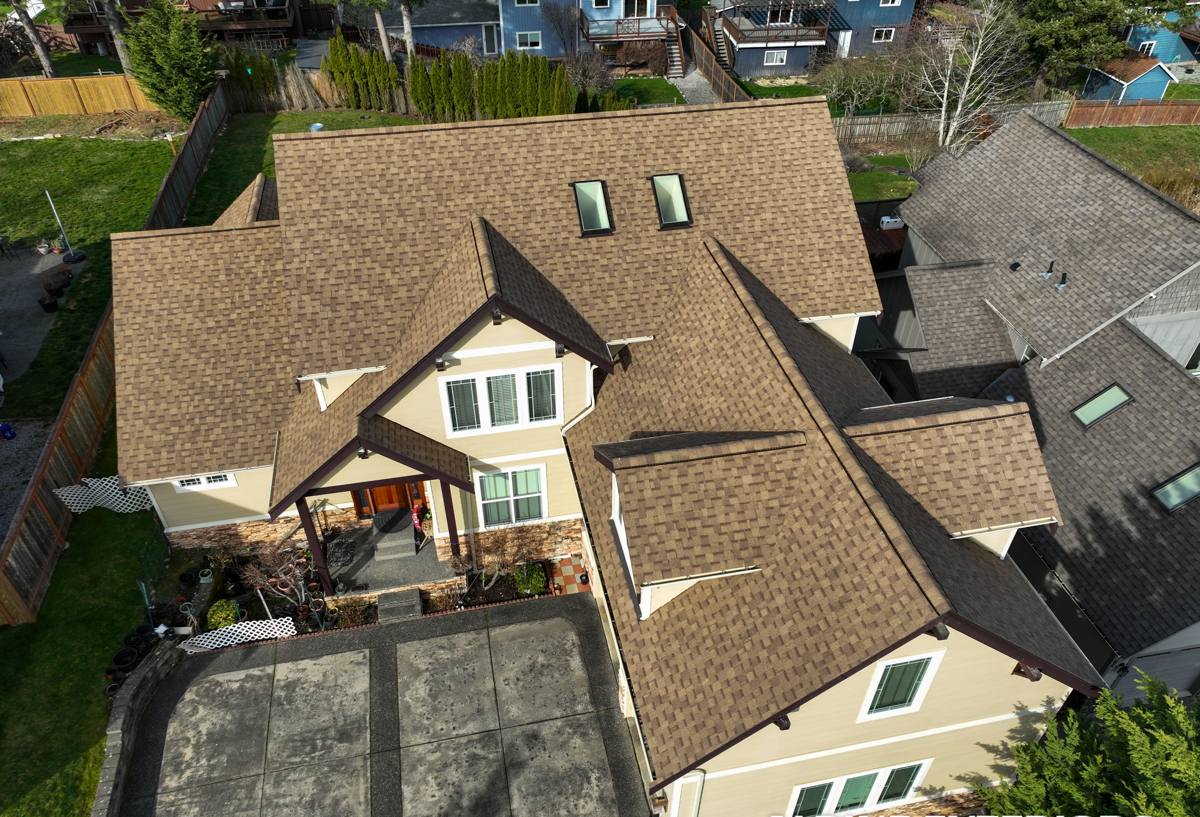
What the Local Climate Does to a Roof
Four things drive most of the roofing failures and premature wear we see on barrier island and near-coastal homes:
Wind
Redington Shores gets the full force of storms moving off the Gulf, with nothing between the water and the roofline to break up gusts. Wind doesn't just tear off loose shingles — it gets under edges and ridge caps that were fastened to a lower standard, and it drives rain sideways into laps and flashing that would stay dry in a normal storm.
Salt Air
Salt in the air settles on metal flashing, fasteners, and drip edge, and it accelerates corrosion compared to inland installs. A roofing system that isn't specified with coastal-grade fasteners and flashing metals will show rust and pitting years before an identical roof installed a few miles inland.
UV Exposure
Central Florida sun is intense for most of the year, and it breaks down the asphalt oils in shingles, dries out sealant strips, and fades color faster on unshaded, reflective coastal lots. This shows up as granule loss and brittleness well before a shingle's rated life is up.
Wind-Driven Rain
Even outside of named storms, Gulf-front homes take rain at steep angles more often than inland properties. That makes underlayment quality, flashing detail, and deck sealing more important here than in most of the county — a roof that's "watertight enough" inland can still leak on a barrier island lot.
What a Correct New Roof Installation Actually Involves
A new roof is more than shingles or tile laid on top of the old deck. Every layer underneath does specific work, and skipping or shortcutting any of them is where most roof failures start.
Tear-Off and Deck Inspection
We remove the existing roofing down to the deck rather than installing over it. That lets us actually see the plywood or OSB underneath, replace any sections that are soft, delaminated, or water-stained, and confirm the deck is properly fastened before anything new goes on top. Roofing over a compromised deck just hides a problem that gets worse.
Secondary Water Barrier
Florida Building Code requires a sealed secondary water barrier on new roof installations in wind-borne debris regions, which includes Pinellas County. This is a self-adhering underlayment (or taped seams on synthetic underlayment) that keeps water out of the structure even if the primary roof covering is damaged or lifted in a storm. On a Gulf-front home, we treat this as non-negotiable, not a box to check.
Flashing
Flashing around chimneys, skylights, walls, and roof-to-wall transitions is where the majority of roof leaks originate — not the field of the roof itself. We use corrosion-resistant flashing metal appropriate for coastal exposure and reflash these details rather than reusing old flashing, even when it looks serviceable.
Fastening Pattern and Wind Rating
How a roof covering is fastened matters as much as what it's made of. Nailing pattern, fastener length, and fastener spacing all affect the wind rating of the finished roof, and Florida code sets minimum standards based on the home's wind speed design and exposure category. We install to meet or exceed those requirements rather than the minimum that happens to be easiest.
Ventilation
Proper attic intake and exhaust ventilation keeps roof deck temperatures down and moisture from building up underneath the new roof. Undersized or blocked ventilation shortens the life of shingles from underneath, which is easy to miss since it doesn't show on the surface.
Roofing Material Options for a Gulf-Front Property
There's no single "right" roofing material for every Redington Shores home — it depends on the home's structure, budget, and how much maintenance the owner wants to take on. Here's how the common options compare for this specific environment:
| Material | Coastal Wind Performance | Salt Air / UV Durability | Maintenance |
|---|---|---|---|
| Architectural asphalt shingle | Good, when rated and fastened correctly | Moderate — UV and salt shorten lifespan versus inland | Low to moderate |
| Standing seam metal | Excellent, high wind ratings available | Very good with coastal-grade coatings and fasteners | Low |
| Concrete or clay tile | Excellent when properly fastened to code | Very good — tile itself doesn't degrade from UV or salt | Low, but individual tiles can crack from impact |
| 3-tab asphalt shingle | Lower wind rating than architectural shingles | Weaker UV resistance, shorter service life | Low, but replaced sooner |
We'll walk through which of these fits your home's roof structure and your budget honestly — including the maintenance trade-offs, not just the upfront cost.
A Note on Roof Color and Reflectivity
Lighter, reflective shingle or tile colors run cooler in direct Gulf sun, which can modestly reduce attic heat gain and ease the load on cooling systems in homes that get full sun exposure most of the day. It's a smaller factor than material and fastening, but worth weighing if you're deciding between color options that are otherwise a wash.
Our Installation Process
- On-site inspection and estimate. We look at the existing roof, deck condition (where visible), attic ventilation, and any problem areas before quoting — not a drive-by number.
- Material selection. We go over shingle, tile, or metal options suited to a coastal Redington Shores property and your budget, with realistic lifespan expectations for each.
- Permitting. We pull the required roofing permit through Pinellas County or the local municipality before work starts, as required by law.
- Tear-off and deck repair. Full removal of the old roofing, deck inspection, and replacement of any damaged sheathing.
- Underlayment and flashing installation. Secondary water barrier, drip edge, and flashing detail work before the roof covering goes on.
- Roof covering installation. Shingles, tile, or metal installed to the fastening pattern and wind-rating requirements for your home's design specifications.
- Final walkthrough and inspection. We review the finished roof with you and coordinate the required county inspection before closing out the permit.
- Cleanup. Full site cleanup, including a magnetic sweep for stray nails and debris removal.
Signs a Redington Shores Roof Needs Replacing, Not Just Patching
Coastal homes often show wear patterns that are easy to dismiss as cosmetic until they turn into an active leak. Worth a look if you notice:
- Granule loss showing up in gutters or at downspout outlets
- Curling, cracking, or cupped shingles, especially on the sun-exposed side of the roof
- Rust staining or streaking near flashing, vents, or metal roof edges
- Missing or lifted shingles or tiles after a windy spell
- Soft spots, sagging, or visible daylight in the attic deck
- Water stains on interior ceilings, even small or intermittent ones
- A roof approaching or past 15-20 years old (asphalt) with no major work done
- Visible corrosion on exposed fasteners or metal flashing
Any one of these on its own might just mean a repair. Several together, especially on an older roof, usually means it's more cost-effective to plan a replacement than to keep patching around the same underlying wear.
Permits, Inspections, and Insurance
New roof installations in Pinellas County require a permit and a final inspection before the job is considered complete — this isn't optional paperwork, it's how the county confirms the roof was installed to current Florida Building Code. We handle the permit application and schedule the required inspections as part of the job, so you're not chasing that down yourself.
It's also worth knowing that many homeowners insurance carriers ask for documentation of roof age, material, and wind mitigation features, particularly on Gulf-front and near-coastal properties where insurers are paying closer attention to wind performance. A permitted, code-compliant install gives you the paperwork trail to support that if your insurer asks for it — we can provide documentation of what was installed and how.
Why Hire a Crew That Already Works Redington Shores
A roofing crew based in Largo that regularly works the Gulf beaches communities already knows the practical realities of this area: how Pinellas County permitting and inspection actually move, which fastening and flashing details matter most on exposed barrier island lots, and what materials hold up here versus what looks fine on paper. That familiarity shows up in fewer surprises mid-project and a roof that's specified for the environment it's actually going to sit in, not a generic inland install.
It also matters for accountability. A local company has a reputation in the area and a reason to stand behind the work — warranty callbacks, follow-up questions, and future maintenance are all easier when the crew that installed your roof is a short drive away, not passing through the region on a storm-chasing route.
Get a Straight Answer on Your Roof
If your Redington Shores roof is showing its age or you're planning ahead of the next storm season, we're happy to take a look and give you an honest read on repair versus replacement — no pressure, no inflated urgency. Fill out the form below for a free estimate and we'll walk the roof, answer your questions, and put together a clear, itemized quote.