 Largo Siding
 New-Construction Windows for Redington Shores Homes
Redington Shores sits right on the barrier island strip of Pinellas County, which means every window opening in a new build or full-gut remodel here is doing more work than a window opening almost anywhere else in the country. Between the salt air rolling off the Gulf, the direct sun exposure with almost no tree canopy to break it up, and the wind loads that come with being this close to open water, a new-construction window package has to be engineered and installed correctly the first time. There's no retrofit fix for a window that was never rated for the exposure it's sitting in.
"New-construction" windows are different from replacement windows in a way that matters a lot here. They install with a nailing fin directly into the rough opening and get integrated into the wall's water-resistive barrier and flashing system before stucco, siding, or exterior finish goes on. That gives us access to build a proper flashing and drainage plane around every opening — something you can't fully redo once the exterior finish is closed up. For a barrier island property, getting that sequence right the first time is the difference between a window that lasts decades and one that starts showing water intrusion at the corners within a few years.
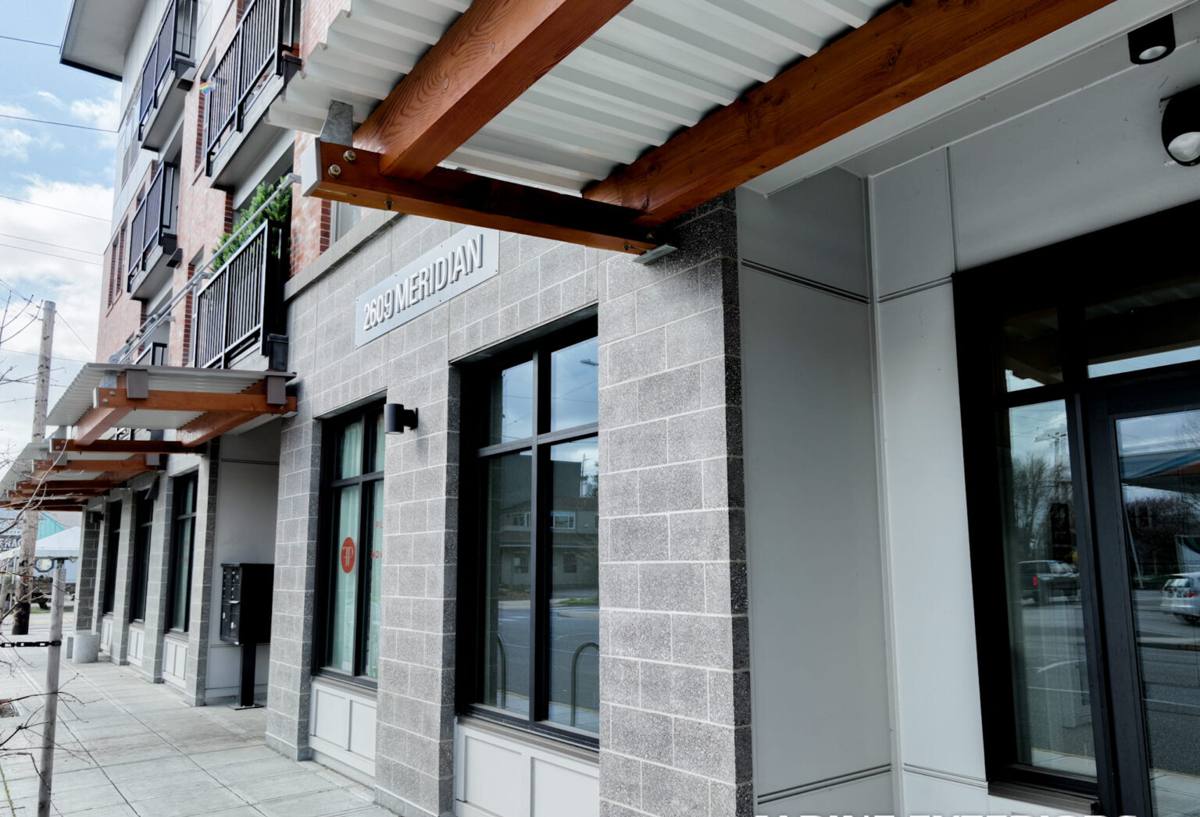
What Redington Shores' Climate Actually Demands
Largo and the surrounding Pinellas County coastline deal with a specific combination of stresses, and Redington Shores gets it at close to full strength because of its barrier island location:
- Wind pressure: Coastal exposure means higher design wind pressures on window openings than you'd see even a few miles inland. Window and anchoring specs need to match the actual exposure category of the lot, not a generic county minimum.
- Wind-driven rain: During tropical storms and the heavier summer thunderstorm cells, rain doesn't just fall — it gets driven sideways into any gap in the flashing or sealant. The window assembly has to shed that water even when it's coming in at an angle.
- UV exposure: Long, intense sun exposure breaks down inferior vinyl formulations, degrades cheap sealants, and fades interior finishes through unprotected glass over time.
- Salt air corrosion: Airborne salt attacks unprotected or poor-grade hardware, fasteners, and metal components faster than most homeowners expect, especially within the first mile or two of the water.
None of this is unique to Redington Shores in concept — it's the same set of forces every Gulf-facing Pinellas County community deals with. But the closer a home sits to open water, the more all four of these stresses stack on top of each other, which is why we treat coastal-adjacent addresses differently from inland Largo jobs from the very first site visit.
What a Correct Installation Actually Involves
Product Selection
For new construction in this exposure zone, we're specifying windows rated for the wind load the opening actually sees, with impact-rated glass being the standard recommendation for anything facing open exposure. Impact glass does two jobs at once: it protects the opening during storms, and it lets homeowners skip separate shutters or panels, which matters on a home where storage space for shutter panels is often limited.
Rough Opening and Flashing
Before a window ever goes into the wall, the rough opening gets prepped with a proper sill pan and flashing sequence — sill flashing first, then jamb flashing, then head flashing, layered so water is always directed outward and down, never trapped behind the window. This is the step that gets rushed on lower-quality installs, and it's also the step that's invisible once the exterior finish is on. It's worth confirming with any contractor, on any job, exactly how they're sequencing this.
Setting and Anchoring
The window gets shimmed level, plumb, and square, then anchored per the manufacturer's tested installation instructions — not a generic pattern. Fastener spacing and type matter more in high-wind zones because they're what actually transfers the wind load from the window frame into the structural framing.
Sealing
A quality sealant rated for exterior, coastal UV exposure goes around the perimeter, backed up by the housewrap or building paper being properly lapped over the flashing — shingle-style, so every layer sheds water onto the layer below it. Cheap or mismatched sealant is one of the most common early failure points we see on coastal jobs done elsewhere.
Quick Reference: Installation Steps That Matter Most
- Rough opening squared and measured against actual window dimensions, not assumed
- Sill pan flashing installed and tested for proper slope
- Jamb and head flashing lapped in the correct water-shedding order
- Window set plumb, level, and square with shims at load points
- Anchored per manufacturer specs for the site's wind exposure
- Perimeter sealed with coastal-grade sealant, no gaps
- Interior and exterior trim installed without compressing or racking the frame
Comparing Window Options for This Exposure
Homeowners building or remodeling in Redington Shores usually land on one of a few window categories. Here's an honest look at the trade-offs we walk clients through:
| Option | Wind/Impact Performance | Maintenance Burden | Best Fit |
|---|---|---|---|
| Impact-rated vinyl | Strong when properly rated and installed | Low — no shutters needed | Most new-construction budgets, direct water exposure |
| Impact-rated aluminum | Strong, handles larger spans well | Low, but needs quality finish to resist salt corrosion | Larger openings, modern architectural styles |
| Non-impact + shutters/panels | Adequate if shutters are deployed correctly every storm | Higher — panels must be installed and removed each event | Budget-driven jobs willing to manage storm prep manually |
| Wood or wood-clad | Depends on hardware and glazing package | Highest — regular refinishing needed in salt air | Interior-facing openings less exposed to direct weather |
We're generally candid with clients that non-impact windows paired with shutters can meet code, but the maintenance burden of consistently deploying and storing shutter panels — especially on a barrier island home used seasonally or rented out — makes impact glass the more practical long-term choice for most Redington Shores builds.
Why a Largo-Based Crew That Already Works This Area Matters
We're based in Largo, and Redington Shores is inside our regular Pinellas County service area — not a stretch job we take on occasionally. That matters for a few practical reasons:
First, permitting. Pinellas County and the local municipalities that touch the barrier island communities have their own permitting workflows and inspection expectations for window installs, especially where wind load and impact ratings are involved. A crew that pulls these permits regularly moves through the process faster and doesn't guess at what an inspector wants to see.
Second, exposure judgment. Knowing a lot sits close to open water versus a few blocks back changes how we spec anchoring and sealant, even within the same general zip code. That's a judgment call that comes from doing the work here repeatedly, not from a one-size-fits-all install manual.
Third, availability after the sale. A local crew is easier to reach if a question comes up six months or two years after installation — about warranty coverage, a sealant touch-up, or a follow-up question on a related project like siding or doors on the same build.
How Our Process Works
1. Site Visit and Opening Review
We walk the actual openings — new construction or gut-remodel — and assess exposure, framing condition, and what the wind load requirements look like for that specific lot.
2. Product and Spec Recommendation
We recommend window products and glazing packages matched to that exposure, and we're straightforward about where a lower-cost option is genuinely adequate versus where it's a false economy given this climate.
3. Coordination with Your Build Timeline
New-construction windows have to land in the schedule at the right point — after rough framing and before exterior finish closes in the openings. We coordinate directly with your GC or work as the lead trade if you're managing the exterior scope with us.
4. Installation and Flashing
Our crew handles the sill pan, flashing, setting, anchoring, and sealing as one continuous, inspected sequence — not a rushed afternoon between other trades.
5. Final Walkthrough
We walk every opening with you before we consider the job finished, checking operation, seal, and trim on each window.
Common Mistakes We See on Coastal Installs
- Sealant used as the primary water barrier instead of proper flashing — sealant should be a backup layer, not the whole plan
- Fastener schedules copied from an inland job and applied to a higher wind-exposure opening
- Housewrap lapped in the wrong direction over the window flange, which funnels water into the wall instead of away from it
- Non-rated hardware or trim that corrodes within a few seasons of salt exposure
- Skipping manufacturer installation instructions in favor of a generic in-house method, which can also void the product warranty
Most of these aren't visible at closing. They show up as a stain on drywall, a sticky window, or a corroded hinge a year or two later — long after the crew that installed them has moved on. That's part of why we document our installation sequence and stand behind the work.
Getting Started
If you're building new or planning a full remodel in Redington Shores, we're happy to walk the site, look at your window schedule, and give you straight answers on what the openings actually need for this exposure — no pressure, no upsell script. Reach out for a free estimate using the form below and we'll get a Largo-based crew out to take a look.