 Largo Siding
 New Roof Installation for Safety Harbor Homes
Safety Harbor sits right on the water along Old Tampa Bay, which means homes here take on a specific mix of weather stress that inland Pinellas County properties don't deal with as heavily. A new roof in this area isn't just about picking a shingle color and nailing it down — it's about building an assembly that can handle hurricane-force wind gusts, near-constant Florida UV, wind-driven rain that finds every weak seam, and salt-laden air blowing in off the bay. We install new roofs for homeowners throughout the Largo and Safety Harbor area, and this page walks through what actually goes into doing that job right.
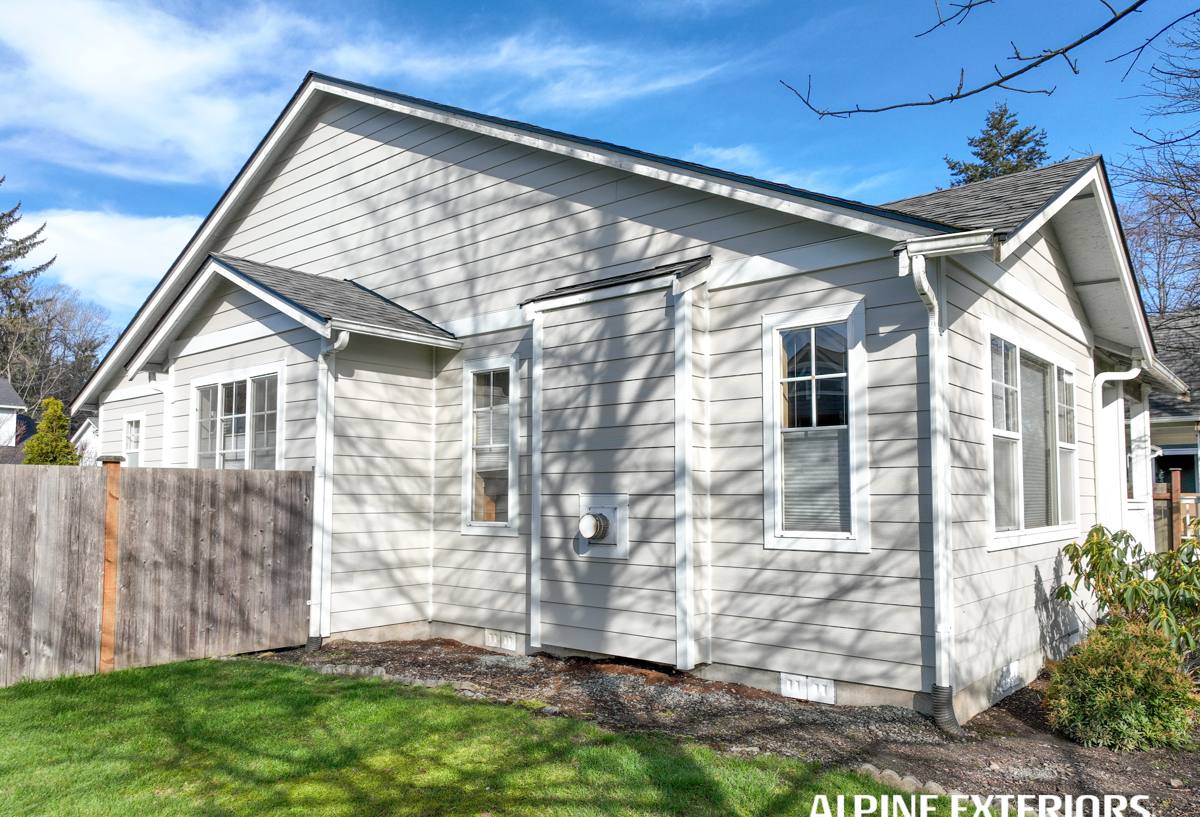
What Safety Harbor's Climate Does to a Roof
Every roofing material eventually fails from the same handful of causes. In Safety Harbor, those causes just show up faster and hit harder than they would in a milder climate.
Hurricane-Force Wind
Pinellas County sits in a high-velocity hurricane zone, and Safety Harbor's proximity to open water means storms can push sustained wind and gusts across roofs with very little to slow them down first. Wind doesn't just push down on a roof — it creates uplift at edges, corners, and ridges, which is exactly where poorly fastened shingles, weak starter courses, and undersized nailing patterns fail first.
Year-Round UV Exposure
Florida sun is intense for most of the year, not just in summer. UV breaks down the asphalt oils in shingles over time, causing granule loss, brittleness, and premature aging. A roof that would last two to three decades in a northern climate often gets a shorter real-world lifespan here simply from sun exposure alone.
Wind-Driven Rain
Florida storms rarely fall straight down. Wind pushes rain sideways and up under shingle edges, around vents, and into any flashing detail that wasn't sealed correctly. A roof that would shed water fine in a calm rainstorm can still leak badly in a wind-driven event if the underlayment and flashing weren't installed with that scenario in mind.
Salt Air
Being close to the bay means airborne salt settles on roofing materials and metal components. Salt accelerates corrosion on exposed fasteners, flashing, and metal roofing panels that aren't rated or coated for coastal exposure. It's a slower process than wind or UV damage, but it steadily weakens metal components over years.
Signs a Repair Won't Cut It Anymore
Not every roof problem means a full replacement. But there are a few signs that point toward the roof being past the point where patching makes financial sense:
- Granule loss heavy enough that you can see bare, shiny patches on shingles
- Multiple layers of leaks in different areas rather than one isolated spot
- Shingles that are curling, cracking, or lifting at the edges across large sections
- Visible sagging in the roof deck when viewed from the ground or attic
- The roof is old enough that insurance is flagging it or declining renewal
- Previous storm damage was patched rather than properly repaired
If you're only dealing with one or two of these, a repair might still be reasonable. If several apply at once, a new roof is usually the more cost-effective path — chasing leaks on an aging roof tends to cost more over time than replacing it once, correctly.
What a Correct New Roof Installation Actually Involves
A new roof is more than shingles. The parts homeowners don't see are usually what determine whether the roof holds up through its first real storm.
Full Tear-Off and Deck Inspection
We remove the existing roofing material down to the deck rather than layering over it. That lets us actually inspect the plywood or OSB sheathing underneath for soft spots, rot, or delamination — problems that are common on older Safety Harbor homes and that get hidden, not fixed, if you install over them.
Underlayment
The underlayment is the water barrier between your shingles and the deck. In a wind-driven-rain climate, this layer matters as much as the shingles themselves. We use underlayment systems built for high-wind, high-moisture regions rather than the minimum-grade felt still used in some parts of the country.
Fastening Pattern
Wind resistance comes down largely to how the shingles are nailed, not just what brand they are. Florida Building Code sets minimum fastening requirements for high-velocity hurricane zones, and we follow those patterns — correct nail count, correct placement, correct nail length into the deck — rather than a generic install.
Flashing Details
Valleys, chimneys, skylights, and roof-to-wall transitions are where most leaks start. Proper flashing — step flashing, counter-flashing, valley metal, and drip edge — has to be installed and sealed correctly at every one of these transitions, not just at the field of the roof.
Ventilation
A roof that can't breathe traps heat and moisture in the attic, which shortens shingle life and can contribute to deck rot. We check that intake and exhaust ventilation are balanced as part of the install, not as an afterthought.
Roofing Material Options for This Area
There's no single "best" roofing material — the right choice depends on your home's structure, your budget, and how much wind and salt exposure your specific property gets. Here's an honest comparison of the main options we install:
| Material | Wind Performance | Salt Air Durability | Relative Cost | Typical Lifespan |
|---|---|---|---|---|
| Architectural asphalt shingles | Strong when rated and fastened correctly | Good | $ | 20-30 years |
| 3-tab asphalt shingles | Lower wind rating than architectural | Good | $ | 15-20 years |
| Standing seam metal | Excellent | Very good with coastal-rated coatings | $$$ | 40-50+ years |
| Concrete or clay tile | Excellent when properly fastened | Excellent | $$$ | 40-50+ years |
Architectural shingles are the most common choice we install in this area because they balance wind performance, cost, and appearance well for most homes. Metal and tile cost more upfront but can make sense for homeowners planning to stay long-term or wanting the longest possible lifespan against coastal conditions. We'll walk through the trade-offs for your specific home rather than pushing one product across the board.
Our Installation Process
- On-site inspection — We look at your current roof, deck condition, ventilation, and any problem areas before quoting anything.
- Written estimate — You get a clear scope of work and pricing, not a vague verbal number.
- Material selection — We go over shingle or material options based on your budget and how the home is exposed to wind and weather.
- Permitting — We pull the required permit through the appropriate local building department before work starts.
- Tear-off and deck repair — Old material comes off, and any damaged decking gets replaced before anything new goes down.
- Underlayment, flashing, and shingle installation — Installed to code-required fastening patterns for this wind zone.
- Final inspection and cleanup — We walk the job with you, confirm everything meets code, and clear the site of debris and nails.
Permits, Wind Mitigation, and Insurance in Pinellas County
New roof installations in Pinellas County require a building permit, and the finished work has to meet Florida Building Code's high-velocity hurricane zone requirements for wind resistance. We handle the permitting process as part of the job so you're not left navigating that on your own.
It's also worth knowing that a new roof can affect your homeowners insurance. Many carriers offer wind mitigation credits for roofs that meet certain fastening, shape, and material standards, and a new roof is often the trigger for getting a wind mitigation inspection done. That inspection can lower your premium, so it's worth asking your insurance agent about it once the new roof is complete.
What to Look for When Vetting a Roofing Contractor
Roofing draws more than its share of storm-chasers and unlicensed crews, especially after major weather events. Before hiring anyone for a job this size, it's worth checking a few basics:
- Current Florida roofing license and general liability insurance
- Workers' compensation coverage for their crew
- A written estimate that spells out materials, scope, and timeline — not just a total price
- Willingness to pull the permit themselves rather than asking you to do it
- Local presence — an address and work history in the Largo and Safety Harbor area, not just a phone number
- A manufacturer warranty that's actually registered in your name after the job is done
Why Hiring a Crew That Already Works This Area Matters
A roofing crew that regularly works in Safety Harbor and greater Largo already understands the local permitting process, the wind zone requirements specific to Pinellas County, and how coastal exposure behaves on real homes in this area — not just in a training manual. That familiarity shows up in fastening decisions, flashing details, and material recommendations that are tailored to how this specific stretch of coastline actually treats a roof over time. It also means we're not disappearing after the job — if a warranty question or storm-damage concern comes up down the road, we're still local and still reachable.
If your roof in Safety Harbor is showing its age or you're planning ahead of the next storm season, we're happy to take a look and give you a straightforward, no-pressure estimate. There's a form below — reach out and we'll get you scheduled.