 Largo Siding
 Redington Shores Sits Right on the Line Between Beautiful and Brutal
Redington Shores is a narrow barrier island — Gulf on one side, Boca Ciega Bay on the other — which means almost every home there takes weather from two directions at once. Salt-laden air moves off the water and settles on everything, including window frames and hardware. Summer sun beats down nearly year-round with intense UV exposure that breaks down seals, finishes, and glazing over time. When storms roll through, wind-driven rain gets pushed sideways into any gap a window has, and hurricane-force gusts test every fastener and piece of flashing behind the trim. Windows here don't fail because homeowners neglected them — they fail because the environment is genuinely harder on building materials than it is a few miles inland in Largo.
We work out of Largo, just across the Intracoastal, and we spend a lot of our time on the beach side of Pinellas County. That matters, because a window that performs fine in a mainland subdivision can be the wrong call on a barrier island lot with direct Gulf or bay exposure.
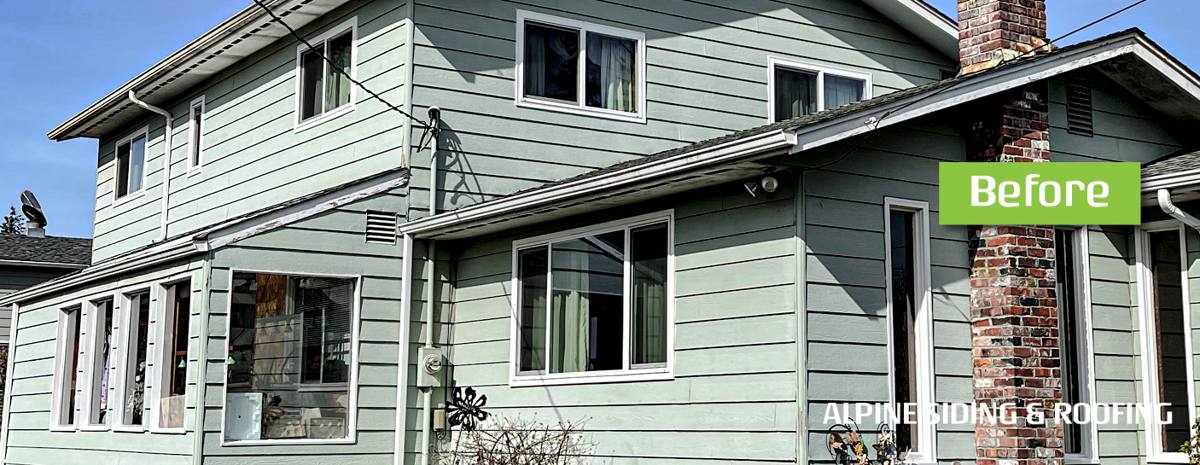
What "Custom" Actually Means for a Barrier Island Home
Older Beach Homes Rarely Have Standard Openings
Many homes on this stretch of coast were built decades before current wind and impact codes existed. Openings have often shifted slightly over the years from settling, humidity cycling, or earlier remodels. That means off-the-shelf, big-box window sizes frequently don't fit cleanly — you end up either forcing an installation that leaves gaps behind the trim, or building a genuinely custom-sized unit that matches the actual opening. We measure every opening in the field rather than trusting old plans or a previous contractor's numbers, because "close enough" at a coastal opening is exactly where wind-driven rain finds its way in.
New Construction and Major Remodels
On additions, teardown-rebuilds, or full remodels, custom sizing is about design intent rather than fixing an old opening — larger view openings, different configurations, or matching window lines across a home that's being reworked in stages. Either way, custom means the unit is built to the opening, not the opening reworked to fit a stock unit.
The Frame and Glass Choices That Actually Matter Here
Frame Material
Not every frame material handles salt air and constant UV the same way. Some corrode or pit over years of exposure, some need regular upkeep to keep looking and sealing right, and some are simply a better match for a Gulf-front or bay-front lot than a home set back further from the water. We walk every homeowner through the real trade-offs rather than pushing one product line regardless of exposure.
Glass and Impact Rating
Pinellas County sits in Florida's wind-borne debris region, which means new and replacement windows generally need to either be impact-rated or paired with code-compliant shutters. On a barrier island, we lean toward impact-rated glass whenever it fits the budget — it's protection that's in place around the clock, not something that has to be deployed before a storm, and it also cuts down on the UV and noise coming through during the rest of the year.
| Frame Material | Salt Air / Corrosion Resistance | Maintenance Needed | Best Fit |
|---|---|---|---|
| Vinyl | Very good — won't pit or corrode | Low; occasional cleaning | Most Redington Shores homes, budget-conscious replacements |
| Aluminum | Fair — can pit/oxidize over years near the Gulf without upkeep | Moderate; periodic inspection of finish and hardware | Homes wanting a slimmer sightline, condos with existing aluminum systems |
| Fiberglass / composite | Excellent — very stable in heat and salt exposure | Low | Direct Gulf-front exposure, long-term low-maintenance goals |
Signs Your Current Windows Are Already Losing the Fight
A lot of window failure on the island is gradual, so homeowners get used to small problems before realizing they've added up. Worth checking for:
- Chalky, pitted, or discolored aluminum frames
- Foggy or cloudy spots between panes (a failed seal, not a cleaning issue)
- Soft, swollen, or discolored trim or sill wood
- Windows that are hard to open, close, or lock properly
- A whistling or rattling sound during windy conditions
- Water staining or dark spots on the wall below a window after rain
- Visible daylight or drafts around the frame edges
Any one of these can usually be repaired. Several at once, especially on an older home, is usually a sign the windows are past the point where patching makes sense.
What a Correct Installation Involves (and Where Shortcuts Show Up Later)
Opening Prep and Flashing
The window unit itself is only part of the job. What happens behind the trim — flashing, waterproofing membrane, and how the opening is prepped — is what actually keeps wind-driven rain out during a storm. Skipping or rushing this step is invisible on install day and only shows up as a leak, months or years later, usually during the exact kind of weather the window was supposed to handle.
Sealant Is Not a Substitute for Flashing
A common shortcut is relying on a heavy bead of exterior sealant to do the job that proper flashing and shimming should be doing. Sealant is a good final layer, not a waterproofing system on its own — it degrades under constant UV exposure faster than most people expect, and once it cracks, the opening is only as protected as whatever was actually installed underneath it.
We also follow the manufacturer's specified fastening schedule and shim placement rather than "enough screws to hold it in place." That schedule is engineered to hit the wind loads the product is rated for — skip it, and the window's impact or wind rating on paper doesn't reflect what's actually anchored in the wall.
Cost Factors for Custom Windows in This Area
Every home is different, so we don't quote sight unseen, but the honest range of what drives cost up or down usually comes down to a handful of factors:
| Factor | Why It Affects Cost |
|---|---|
| Number and size of openings | More or larger openings mean more material and labor |
| Frame material chosen | Vinyl, aluminum, and fiberglass sit at different price points |
| Impact-rated glass vs. shutters | Impact glass costs more upfront but needs no separate deployment |
| Condition of the existing opening | Rot, out-of-square framing, or old code issues add prep work |
| Access | Second-story, condo, or tight-lot access can add time and equipment needs |
| Permitting and engineering | Some products or openings require engineering documentation for permit |
As a very broad range, custom window replacement can run from several hundred dollars per opening for straightforward vinyl replacements up to several thousand per opening for larger impact-rated units with structural prep. A site visit is really the only honest way to give you a real number.
Our Process, Start to Finish
1. Site Visit and Measurement
We look at every opening in person — condition of the existing frame and trim, signs of water intrusion, and exact field measurements. No two openings on an older beach home are guaranteed to match.
2. Product Selection
We go over frame material, glass, and impact protection options against your budget and exposure, then order units built to your actual measurements.
3. Permitting
Window replacement in Pinellas County typically requires a permit, and impact-rated products may need supporting documentation. We handle that paperwork rather than leaving it on the homeowner.
4. Installation Day
Old units come out, openings get inspected and prepped (including flashing repair if needed), new units go in per the manufacturer's fastening schedule, and everything is sealed and finished.
5. Final Walkthrough and Cleanup
We test every window for smooth operation and a tight seal, walk the job with you, and clean up the work area before we leave.
Why It Matters to Hire a Crew That Already Works in Redington Shores
Barrier island jobs have logistics that don't come up on a typical mainland Largo project — limited bridge access, tighter lots, condo and HOA approval processes, and homes that are sometimes vacation rentals with occupancy windows to work around. A crew that's done this before knows to check on association rules before ordering materials, knows how salt air changes maintenance expectations, and doesn't treat a Gulf-front install like a standard suburban replacement. That experience shows up in fewer surprises mid-project and a finished job that's actually built for where it sits.
If you're weighing options for windows on a Redington Shores home, we're happy to come take a look and give you a straightforward, no-pressure estimate — just fill out the form below.