 Largo Siding
 Roofing on a Barrier Island Is a Different Job
Redington Shores sits right on the Gulf, and that location changes what a roof has to survive. A shingle roof a few miles inland deals mostly with sun and the occasional storm. A roof on this stretch of the Pinellas County coast deals with hurricane-force wind gusts, wind-driven rain that gets forced sideways under poorly sealed edges, salt-laden air that corrodes exposed metal, and some of the most intense year-round UV exposure in the continental United States. None of that is marketing talk — it's just the environment. It means a shingle roof here needs to be installed with more attention to fastening, flashing, and edge detail than a roof going on a house in a milder climate, and it means the materials and installation choices that work fine elsewhere can fall short on a barrier island.
This page covers what we look at, what we recommend, and how we handle an asphalt shingle roof for a home in Redington Shores specifically — not a generic overview of roofing in general.
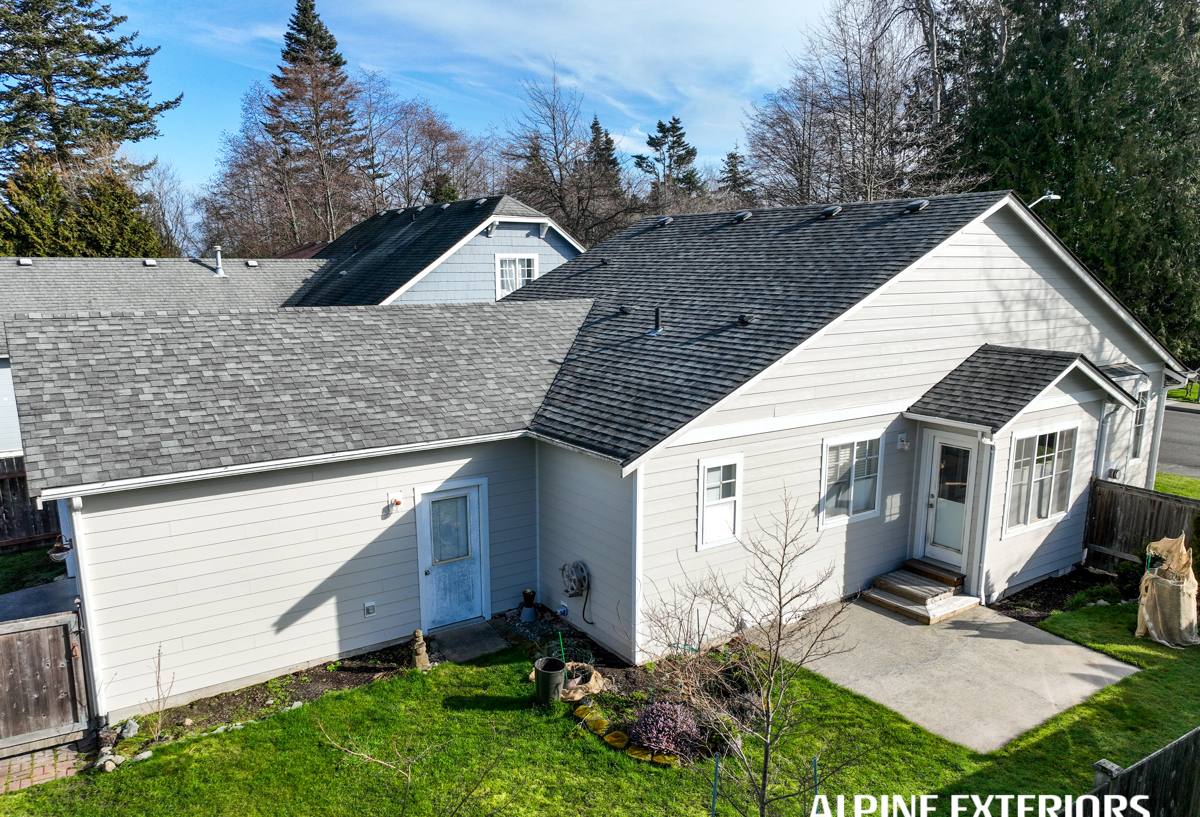
What the Local Climate Actually Does to a Shingle Roof
Wind
Wind is the number one threat to a shingle roof here. It's not just the named storms — steady onshore gusts and the occasional strong squall put repeated stress on shingle tabs, ridge caps, and edge metal year-round. A roof that's under-fastened or has weak edge detail will start losing shingles well before it's due for a full replacement.
Wind-Driven Rain
When wind pushes rain sideways instead of straight down, water finds its way under shingle laps, around vent boots, and along flashing that isn't properly stepped or sealed. A shingle roof can look fine from the ground and still be letting water into the deck at every valley and penetration if those details weren't done correctly the first time.
UV and Heat
Florida sun breaks down asphalt shingles faster than almost anywhere else in the country. UV exposure dries out the asphalt, causes granule loss, and shortens the effective lifespan of a shingle roof compared to the same product installed in a cooler, less sun-intense region.
Salt Air
Being this close to the Gulf means airborne salt settles on and corrodes exposed metal — nail heads, flashing, vent stacks, drip edge — faster than it would even a few miles inland. Corroded fasteners and flashing are one of the most common hidden causes of leaks on coastal roofs that otherwise "look" okay.
What a Correctly Installed Shingle Roof Needs Here
A roof built for Redington Shores isn't just "shingles nailed to a deck." The details that actually determine how long it lasts and how well it holds up in a storm include:
- A wind-rated shingle product matched to what current Florida Building Code requires for this coastal zone
- Correct nailing pattern and fastener count — not the minimum, the correct pattern for the wind zone and shingle type
- Sealed, self-adhering underlayment in valleys and around penetrations, not just felt paper
- Properly stepped and counter-flashed intersections at walls, chimneys, and dormers
- Corrosion-resistant metal for drip edge, flashing, and fasteners
- Balanced attic ventilation so heat and moisture don't get trapped under the deck
- Sealed and properly flashed roof penetrations — plumbing vents, exhaust fans, and any roof-mounted equipment
Skip any one of these and the roof may still look fine on installation day. The failures usually show up two, three, or five years later, during the first storm that really tests it.
Signs a Redington Shores Roof Needs Attention
Because coastal wear happens gradually, a lot of homeowners don't realize their roof needs work until there's an active leak. Worth checking for, or having us check for:
- Shingles that look curled, cupped, or lifted at the edges
- Bald spots where granules have worn away, exposing the darker asphalt underneath
- Missing or cracked shingles after a windy stretch of weather
- Rust streaks running down from flashing, vent boots, or fasteners
- Soft spots when walking the roof, or sagging visible from the ground
- Daylight visible through the attic deck, or musty odors in upstairs rooms
- Granules collecting in gutters, a sign the shingles are aging out
Any one of these on its own isn't necessarily an emergency, but they're worth having looked at before the next storm season rather than after.
Our Asphalt Shingle Roofing Process
We run the same process on every shingle roof we install in Redington Shores, and we don't skip steps to save time:
- Inspection and estimate. We walk the roof, check the deck condition where accessible, and give you an honest assessment — repair, partial replacement, or full replacement — along with a written estimate.
- Tear-off. Old shingles, underlayment, and any damaged flashing come off completely. We don't install a new roof over an old one — layering hides deck problems and shortens the life of the new roof.
- Deck inspection and repair. Once the deck is exposed, we check for rot, soft spots, or damaged sheathing and replace anything that isn't sound before anything new goes down.
- Underlayment and flashing. Self-adhering underlayment goes in valleys and around penetrations, with the field of the roof covered per manufacturer and code requirements. New flashing goes in at every wall, chimney, and roof-to-roof intersection.
- Shingle installation. Shingles go down with the fastening pattern and exposure specified for the wind zone and product — not a shortcut pattern.
- Ventilation check. We confirm intake and exhaust ventilation are balanced so the attic can breathe, which protects both the shingles and the deck from the inside out.
- Final walkthrough. We inspect the finished roof with you, clean up the site, and make sure you understand what was done and what to expect going forward.
Shingle Options and What Affects Cost
Not every shingle product is built the same, and the right choice for a Redington Shores roof depends on your budget, your home's exposure, and how long you want to go before the next replacement. Broadly, here's how the common categories compare:
| Shingle Type | Typical Wind Rating | Relative Lifespan | Cost Factor |
|---|---|---|---|
| 3-tab (basic) | Lower end of code-rated products | Shortest | Lowest upfront cost |
| Architectural / dimensional | Mid-to-high, code-compliant for most coastal zones | Moderate to long | Mid-range, best overall value for most homes |
| High-wind / impact-rated architectural | Highest available in asphalt shingles | Longest of the shingle options | Higher upfront, often offset by insurance credits |
Beyond the shingle itself, cost is driven by roof pitch and complexity, how many layers of old roofing need to come off, deck repairs discovered during tear-off, the number of penetrations and valleys, and access to the property. We break all of this down in the estimate so there aren't surprises once work starts.
A Note on Product Choice
We install shingle products rated for Florida's coastal wind zones and back them with the manufacturer's standard warranty. We won't put a shingle on a Redington Shores roof that isn't rated for the wind speeds required here — even if a homeowner asks for the cheapest option available — because an under-rated product on a Gulf-front home is a maintenance and liability problem waiting to happen, and it's not a standard we're willing to lower.
Permits, Code, and Wind Mitigation
Roofing work in Pinellas County requires a permit, and coastal areas like Redington Shores fall under wind-borne debris and high-velocity wind provisions of the Florida Building Code. That affects the minimum wind rating for shingles, the fastening schedule, and how flashing and underlayment are installed. We pull the required permits and build to code, not around it. A properly permitted, code-compliant roof also matters at claim time and resale — an unpermitted roof can complicate both.
It's also worth asking your insurance agent about a wind mitigation inspection after a new roof goes in. Improvements like a properly nailed roof deck, secondary water barrier, and hip roof design can qualify a home for meaningful premium credits, and a new roof is the natural time to document them.
Why Local Experience in Redington Shores Matters
A roofing crew that regularly works this specific stretch of the Pinellas County coast knows things a crew from further inland doesn't automatically account for — how salt air treats exposed fasteners, which flashing details actually hold up to sideways rain off the Gulf, and what wind exposure category applies to homes this close to open water. That's the difference between a roof that meets the letter of code and one that's genuinely built for where it sits. We also know the county's permitting process, which keeps your project moving instead of stalled waiting on paperwork.
Maintaining Your Roof After Installation
A well-installed asphalt shingle roof still benefits from basic upkeep in this environment:
- Keep gutters clear so water isn't backing up under the shingle edge
- Trim back overhanging branches that drop debris or scrape shingles in wind
- Have the roof looked at after any major storm, even if nothing looks obviously wrong
- Rinse off heavy salt buildup or debris periodically rather than letting it sit
- Address small issues — a lifted shingle, a cracked pipe boot — before they become deck damage
None of this is difficult, but it's the kind of small, regular attention that gets the full expected life out of a roof in a coastal climate instead of losing years to preventable damage.
Get a Straight Answer on Your Roof
If you're not sure whether your Redington Shores home needs a repair, a partial fix, or a full replacement, we're happy to take a look and give you an honest read on where things stand — no pressure, no sales script. Fill out the form below for a free estimate and we'll go from there.