 Largo Siding
 Roofing on a Barrier Island Takes a Different Kind of Beating
Redington Beach sits right on the Gulf, and that location changes what a roof has to survive. It isn't just the occasional named storm — it's the steady grind of salt-laden air, near-constant onshore wind, and sun exposure that's more intense than almost anywhere else in Pinellas County. A roof here can look fine from the ground and still have real, storm-related damage underneath the surface. Our storm damage roof repair work in Redington Beach is built around that reality: find what the storm actually did, not just what's obviously missing, and fix it in a way that holds up to the next one.
This page covers storm damage roof repair specifically — what it involves, what correct work looks like on a barrier island roof, and how our process works from the first call to the final walkthrough.
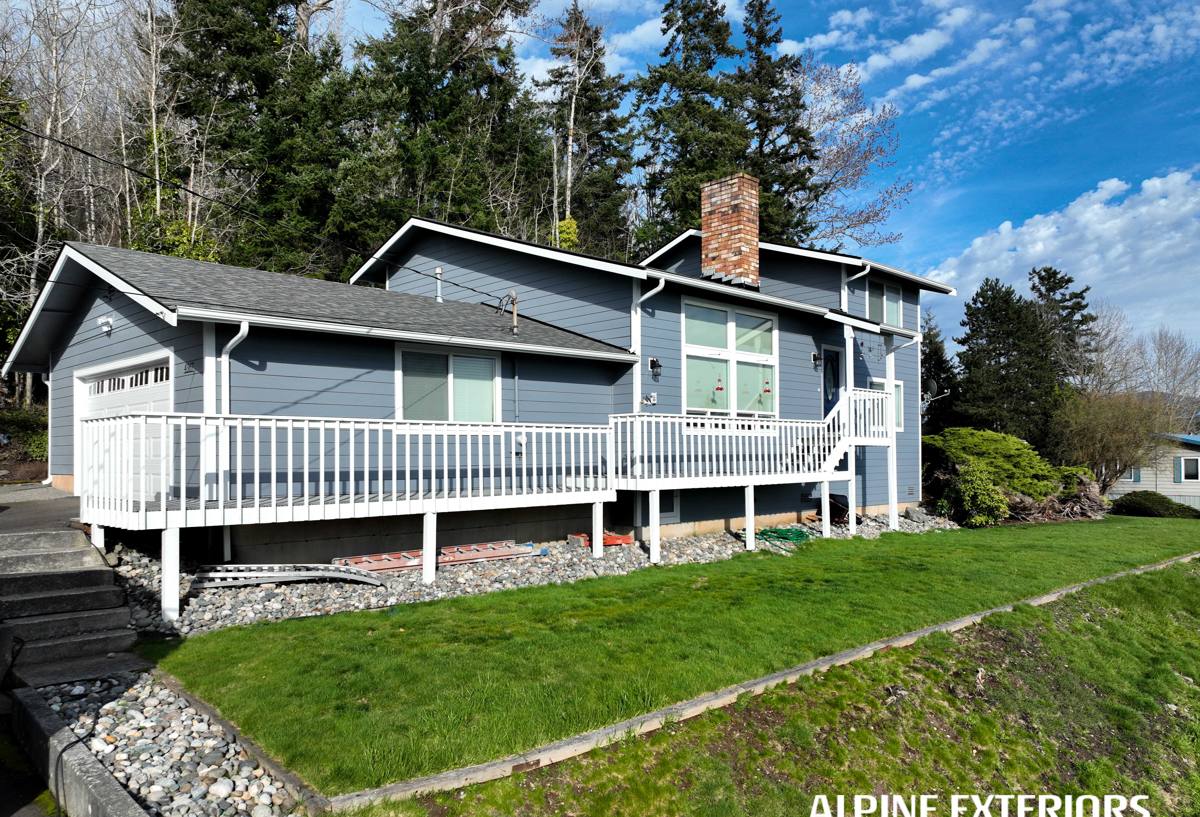
What Redington Beach Roofs Are Up Against
Every roof in the region deals with heat and rain. Redington Beach roofs deal with all of that plus the specific stresses of living directly on the water:
- Hurricane and tropical-storm-force wind — uplift at eaves, ridges, and rake edges is where most storm roof failures start, even on roofs that are otherwise in decent shape.
- Wind-driven rain — rain that comes in sideways during a storm finds weak points that vertical rain never would, working under shingles, tile, and flashing that face the water.
- Year-round intense UV — constant sun exposure dries out and embrittles roofing materials faster than in inland areas, which means a roof here often has less "reserve" left to absorb storm stress before it fails.
- Salt air — airborne salt accelerates corrosion on fasteners, flashing, vents, and any exposed metal, which is often the first thing to actually fail during high wind, not the roofing material itself.
None of these show up as a single dramatic event. They stack over years, so a storm that a newer or better-maintained roof shrugs off can be the one that finds every weak point on a roof that's already been worn down by salt and sun.
Signs You May Have Storm Damage
Some storm damage is obvious — missing shingles, a visible hole, water actively coming through a ceiling. A lot of it isn't. After any significant wind or rain event, it's worth checking for:
- Shingles that are lifted, curled, cracked, or missing entirely, especially along ridges and edges
- Granules collecting in gutters or at downspout outlets (a sign of shingle surface damage)
- Bent, lifted, or missing flashing around chimneys, vents, and roof-to-wall transitions
- Soft spots, sagging, or discoloration on ceilings and in attic spaces
- Cracked or slipped tiles, if you have a tile roof
- Debris impact marks, dents, or punctures from wind-borne material
- Water stains around skylights, vent pipes, or any roof penetration
If you see any of these after a storm, the right move is a prompt inspection — not because every mark means a full repair, but because a small entry point for water gets more expensive the longer it sits open.
What a Correct Storm Damage Repair Actually Involves
A storm repair that's done right isn't just about covering the visible gap. It has to account for what the wind and water actually did, including underneath the surface layer.
Assessment Before Anything Else
We start by examining the full roof, not just the area where damage is reported. Wind damage on one slope often means stress on the whole roof system, and water that entered at one point can travel before it shows up as a stain somewhere else entirely.
Underlayment and Deck Condition
If wind lifted shingles or tile, the underlayment beneath it may be torn, and the roof deck itself may have taken on moisture. Repairing over damaged underlayment or a wet deck doesn't fix the problem — it just hides it until the next storm reopens it.
Matching Materials and Fastening Correctly
Replacement shingles, tiles, or panels need to match the existing roof in type and, where possible, appearance, and they need to be fastened to current wind-resistance standards — not just however the original installer did it years ago. In a coastal wind zone, proper nailing pattern and fastener spacing on repairs matters as much as it does on a full re-roof.
Flashing and Penetrations
Flashing around chimneys, vents, skylights, and roof-to-wall joints is where storm leaks most often originate, even when the roofing material itself is intact. Salt-air corrosion accelerates flashing failure here, so repair work on a Redington Beach roof usually includes a close look at every penetration, not just the damaged section.
Our Storm Damage Repair Process
- Inspection and documentation — a full roof walk-through or close visual inspection, with photos of every area of concern, before any work starts.
- Honest scope of work — we tell you plainly whether this is a targeted repair, a larger repair, or something that's crossed the line into needing replacement, and why.
- Temporary protection if needed — if there's an active leak or exposed area, we can address that first to stop ongoing damage while the full repair is scheduled.
- Repair work — matching materials, correct fastening, and proper flashing detail, done to hold up to the next storm, not just pass a quick visual check.
- Final walkthrough — we go over the completed work with you so you know exactly what was done and why.
Repair or Replacement? What Actually Decides It
Not every storm-damaged roof needs to be replaced, and not every roof that "just needs a patch" should be patched. The honest answer depends on a few factors, and we'll walk you through them rather than default to whichever job is bigger.
| Factor | Leans Toward Repair | Leans Toward Replacement |
|---|---|---|
| Extent of damage | Isolated to one section or slope | Widespread across multiple areas of the roof |
| Roof age | Roof is mid-life with useful years left | Roof was already near the end of its service life |
| Deck and underlayment condition | Deck is dry and sound beneath the damage | Deck shows rot, or underlayment is failing broadly |
| Prior storm history | First significant damage event | Repeated repairs at different spots over time |
| Material availability | Matching materials are readily available | Original material is discontinued or hard to match well |
We'll give you a straight recommendation based on what we actually find on your roof, not a default to the more expensive option.
Insurance and Documentation
Many storm damage repairs get filed through homeowners insurance. We're not an insurance company and won't promise a claim outcome, but we do provide the kind of documentation that supports a claim: dated photos, a written description of the damage and its likely cause, and a clear scope of the repair work. Keeping your own photos and notes from before and immediately after a storm also helps, since conditions on a roof can change quickly once repair work or additional weather is involved.
Why the Local Track Record Matters
Storm damage repair on a Gulf-front property isn't the same job as storm repair a few miles inland. A crew that already works in Redington Beach and the surrounding Pinellas County beach communities has a working sense of how salt air, wind exposure, and building code requirements in this specific coastal zone interact — and that shows up in the quality of a repair, not just the speed of it. It also means we're not learning coastal wind-uplift and flashing details for the first time on your roof.
Being local also matters in the practical sense: after a regional storm event, response time and material availability both get tighter. A contractor with an established presence in the area is in a better position to get to your roof, get it assessed, and get it secured before a small problem becomes a bigger one.
After the Repair: Keeping Your Roof Ready for the Next Storm
A completed storm repair isn't the end of the story on a coastal roof. A few habits go a long way toward protecting the investment:
- Have the roof visually checked after any significant wind or hail event, even if nothing looks obviously wrong
- Keep gutters and downspouts clear so wind-driven rain has somewhere to go
- Watch for granule buildup in gutters between storms, which can signal shingle wear before a leak develops
- Address minor flashing or sealant issues promptly, since salt air corrosion accelerates once a small gap opens
- Keep a simple record of past repairs and inspections — it helps with future insurance claims and with tracking how the roof is aging
A roof that's properly repaired and reasonably maintained can go into the next storm season with real confidence, instead of unknowns.
If your Redington Beach home has visible storm damage, or you're just not sure whether recent weather left something behind, we're glad to take a look. We offer a free, no-pressure estimate — use the form below to get started.