 Largo Siding
 Windows Built for Life on a Barrier Island
Redington Beach sits right on the Gulf, which means the homes there face a different set of demands than a house a few miles inland in Largo. Salt-laden air moves through window frames and hardware every day, sun exposure is nearly constant, and any storm that pushes through Pinellas County brings wind and wind-driven rain straight at the windows facing the water. Standard windows, or windows installed without the coast in mind, tend to show problems years before they should: hazy glass, corroded hardware, water intrusion around the frame, and seals that give out long before their rated lifespan.
Custom windows for a home like this aren't about looks alone, though a well-chosen window does plenty for curb appeal. The real job is holding up to wind load, keeping water out during a driving rain, resisting salt corrosion, and cutting down the heat and UV load that a west- or south-facing coastal home takes on all year. Getting that right starts with the product choice and ends with an installation that respects how the building envelope actually works.
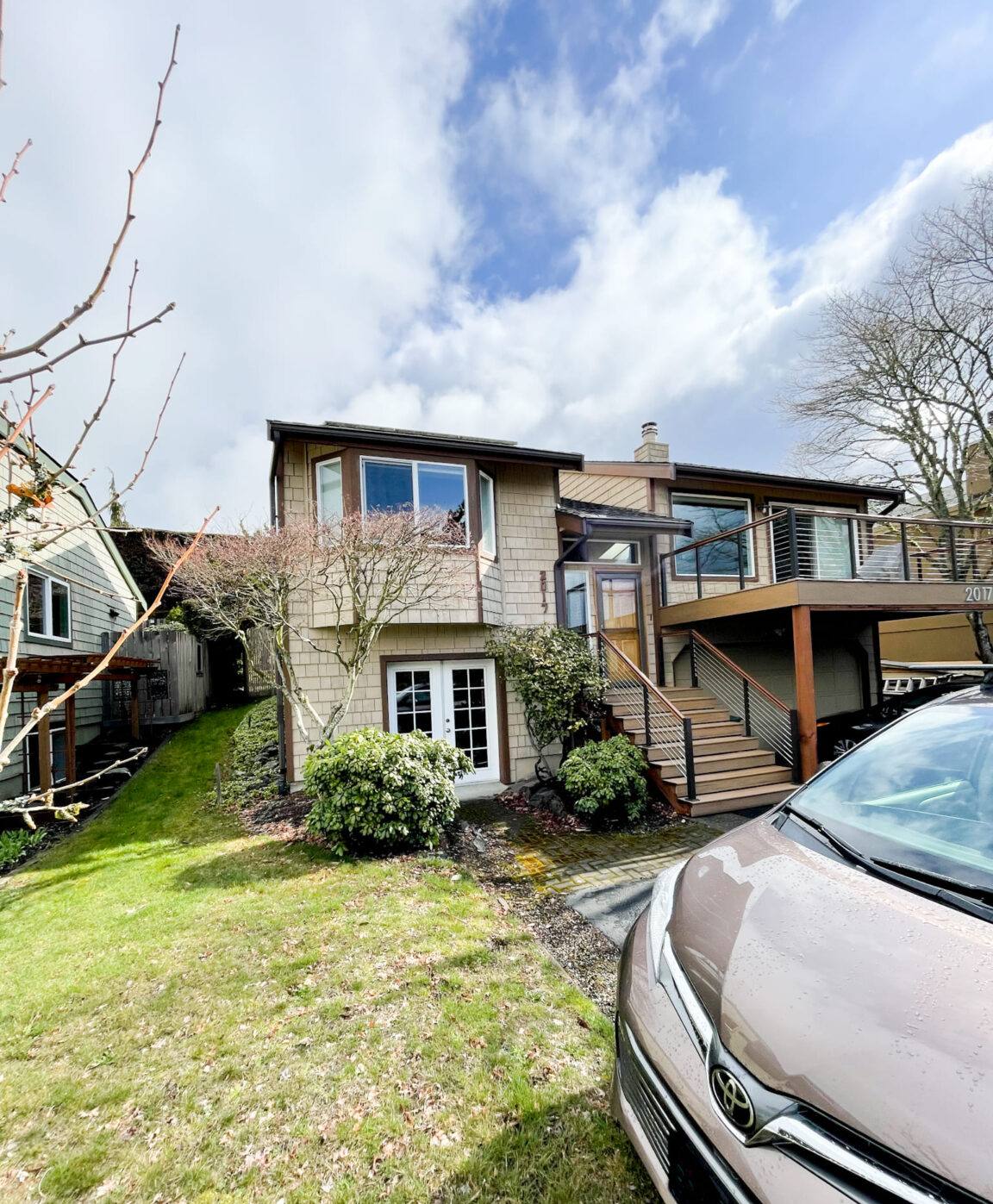
What Redington Beach Homes Are Up Against
A few conditions specific to this stretch of coast shape how we approach window work here:
- Wind load: Homes on or near the Gulf are exposed to higher sustained wind speeds than inland Largo properties, and hurricane-force gusts put real pressure on glass and frames during storm season.
- Wind-driven rain: It's not just the wind — rain gets pushed horizontally against the building, which means flashing and sealant details matter as much as the window unit itself.
- Salt air: Airborne salt accelerates corrosion on hardware, fasteners, and lower-grade metal components, especially on homes within the first mile or two of the water.
- Year-round UV: Florida sun breaks down poor-quality vinyl, fades interior finishes, and pushes cooling costs up when glass isn't rated for solar heat gain.
None of these are exotic problems — they're just constant, and they add up faster on a barrier island than they would a few miles inland. Windows chosen and installed with that in mind last longer and perform better through every season, not just the calm ones.
What a Correct Window Job Actually Involves
It Starts Before the Window Arrives
We measure every opening individually rather than assuming uniformity, because older coastal homes often have openings that have shifted slightly over the years. We also check the condition of the surrounding wall assembly — sheathing, framing, and existing flashing — since a brand-new window installed into a compromised opening will fail regardless of the product's quality.
Removal Without Damage
Old windows come out carefully so we don't tear up siding, stucco, or interior trim more than necessary. On a salt-air home, we also inspect for hidden corrosion or water damage around the old frame while it's exposed — this is often the best chance to catch a problem before it's covered back up.
Flashing and Weatherproofing
This is the step that determines whether a window actually keeps water out during wind-driven rain, and it's also the step that gets skipped most often by crews in a hurry. Proper flashing integrates with the home's existing water管理 layers — house wrap, sheathing paper, or stucco drainage plane — so water is directed out and away from the wall cavity, not trapped behind it.
Setting, Shimming, and Fastening
The window has to be plumb, level, and square, and fastened according to the manufacturer's schedule and the wind load rating of the unit — not a generic pattern. Under-fastening is one of the more common causes of window failure during a storm.
Sealing and Finish
Interior and exterior sealant, trim, and hardware go on last, with attention paid to any spots where dissimilar materials meet — a common point where salt-air corrosion starts if it isn't detailed correctly.
Choosing a Frame Material for Salt Air
Frame material matters more on the Gulf than it does inland, since salt exposure is constant and UV load is high. Here's how the common options generally compare for a Redington Beach property:
| Material | Salt-Air Performance | Maintenance | Notes |
|---|---|---|---|
| Vinyl (quality-grade) | Good — won't corrode | Low | UV-stabilized formulations resist yellowing better than budget vinyl; check the warranty terms closely |
| Aluminum | Fair to good if properly coated | Moderate | Strong and slim sightlines, but coating quality determines how well it resists salt corrosion over time |
| Fiberglass | Very good | Low | Dimensionally stable in heat, holds paint well, generally a higher upfront cost |
| Wood / wood-clad | Requires diligent upkeep | High | We generally steer coastal clients away from unclad wood here — the maintenance burden in salt air is significant, and moisture behavior at the frame is harder to control long term |
There isn't one universally "correct" choice — budget, architectural style, and how close the home sits to the water all factor in. What matters is picking a product rated for coastal wind and water exposure and being honest about the maintenance commitment that comes with it.
Impact-Rated Glass and Florida Building Code
Pinellas County homes fall under the wind-borne debris provisions of the Florida Building Code, which means replacement windows in coastal and near-coastal zones generally need to either carry an impact rating or be paired with code-compliant protection. For a Redington Beach home, we typically recommend impact-rated glass over relying solely on separate shutters, for a simple reason: impact windows provide protection around the clock, not just when someone has time to deploy shutters ahead of a storm.
Impact-rated units use laminated glass bonded to resist penetration from wind-borne debris, and they're tested to hold up under the pressure cycling that comes with hurricane-force wind. They also tend to cut down on outside noise and add a layer of security year-round, not just during storm season. We'll walk through what's required for your specific opening and elevation, since requirements can vary based on the home's design pressure zone.
Signs Your Current Windows Need Attention
Coastal wear doesn't always announce itself with a cracked pane. Watch for these signs, especially if the windows are original to an older home:
- Fogging or haze between panes of double-glazed windows — a sign the seal has failed
- Hardware (locks, cranks, hinges) that feels gritty, stiff, or shows white or green corrosion
- Visible daylight or drafts around the frame when the window is closed
- Water staining on interior trim or sills after heavy rain
- Difficulty opening or closing, which can point to frame warping or settling
- Chalky or pitted exterior frame finish from prolonged UV and salt exposure
- Noticeably higher cooling bills without another clear cause
Any one of these on its own isn't an emergency, but a home showing several of them at once is usually telling you the windows are past their useful service life for a coastal setting.
What Drives the Cost of a Custom Window Job
Every home is different, so we won't quote a number without seeing the openings, but these are the main factors that move the price up or down:
| Factor | Why It Matters |
|---|---|
| Impact rating | Impact-rated glass costs more than standard glass but removes the need for separate storm protection |
| Frame material | Vinyl is typically the most budget-friendly; fiberglass and quality aluminum run higher |
| Window size and configuration | Large openings, sliders, and custom shapes cost more than standard single- or double-hung units |
| Number of openings | Whole-home replacement generally has a better per-unit cost than replacing a few windows at a time |
| Existing opening condition | Hidden rot, corrosion, or framing repair adds labor before the new window can even go in |
| Access and elevation | Second-story or hard-to-reach openings take more time and equipment |
We'll break all of this down clearly during the estimate so you know exactly what you're paying for and why, with no surprise add-ons once the crew is on site.
Why It Matters to Hire a Crew That Already Works This Coastline
Window installation looks similar on paper no matter where it happens, but the details that make a job last are learned from working the same conditions over and over. A crew that mostly installs windows a few miles inland may not think twice about flashing details, fastener material, or sealant choice the way a crew that regularly works Redington Beach and the rest of Pinellas County's coastal communities does. Salt air is unforgiving of shortcuts — a sealant or fastener that would be fine on an inland Largo home can start failing years early on a barrier island property.
We also know the practical side of working on the beach: staging materials on tighter lots, protecting landscaping and hardscape during removal, and scheduling around the weather windows that coastal storms create. None of that shows up on a spec sheet, but it's the difference between a smooth project and a frustrating one.
Our Process, Start to Finish
- On-site assessment: We look at every opening, note existing damage or corrosion, and discuss what you actually want from the windows — energy performance, noise reduction, storm protection, or all three.
- Product and pricing walkthrough: We go over frame material, glass options, and impact ratings in plain terms, with a written estimate that spells out what's included.
- Precise measurement and ordering: Each opening is measured individually; nothing is assumed from a floor plan.
- Careful removal and inspection: Old units come out cleanly, and we flag any hidden framing or moisture issues before covering anything back up.
- Proper flashing and installation: Windows are set, fastened to the correct wind-load schedule, and integrated into the home's water management system.
- Final sealing, cleanup, and walkthrough: We finish the details, clean the work area, and walk you through the finished windows before we consider the job done.
If your Redington Beach home has windows that are drafty, corroded, fogged, or simply due for an upgrade to impact-rated glass, we're happy to take a look. Reach out for a free, no-pressure estimate using the form below — we'll assess your home's specific needs and give you straight answers about what it'll take to get it done right.