 Largo Siding
 Fiber Cement Siding for Pinellas Park: What the Climate Actually Demands
Pinellas Park sits in the heart of Pinellas County, close enough to the Gulf and Tampa Bay that salt-bearing air, high humidity, and tropical storm systems are part of daily life for every home in the area. Siding here isn't just a cosmetic layer — it's the first line of defense against hurricane-force winds, some of the most intense year-round UV exposure in the continental United States, wind-driven rain that gets forced sideways into walls during storms, and salt air that quietly corrodes and degrades anything not built to handle it. A siding job that would hold up fine in a mild inland climate can fail within a few years here if it's not matched to these conditions.
That's the starting point for every fiber cement job we take on in Pinellas Park. The product has to be right, and the installation has to be done to spec — because in this climate, shortcuts on either one show up fast.
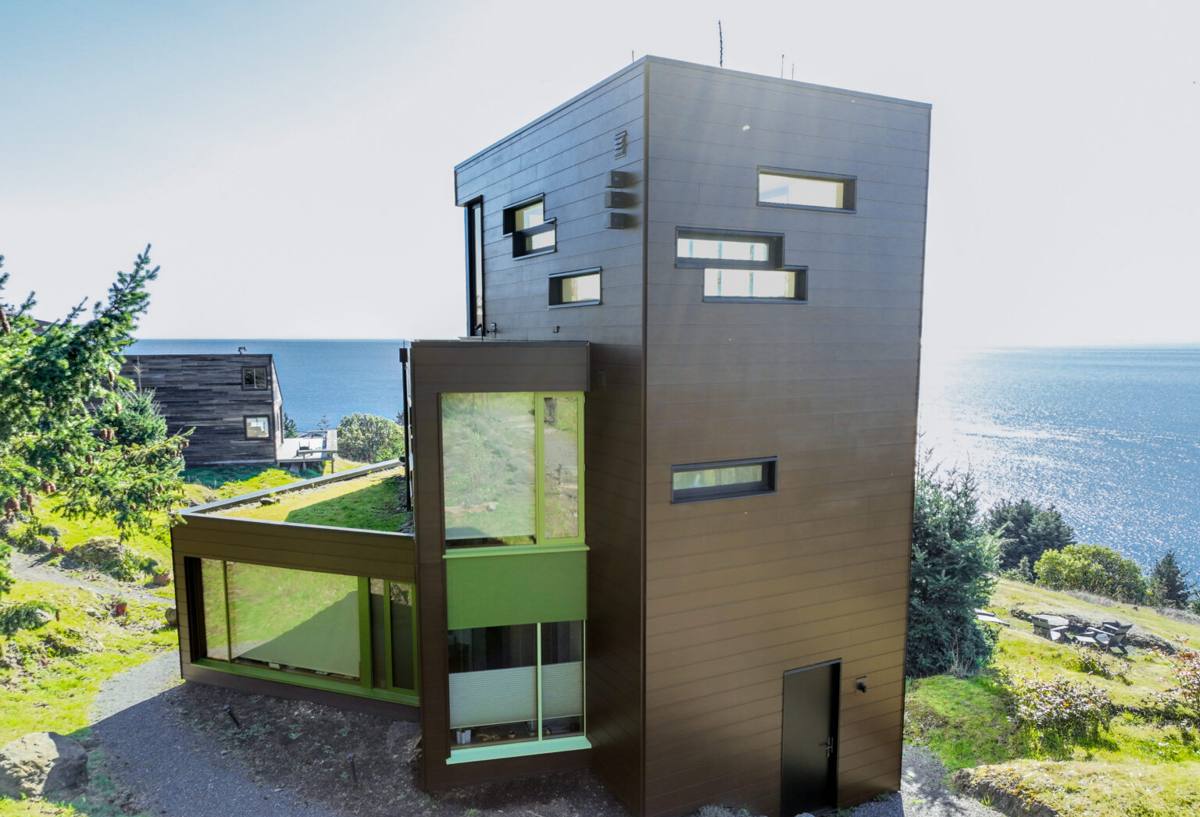
What Sun, Wind, and Salt Do to the Wrong Siding
Intense, Constant UV
Pinellas County gets sun exposure most of the year, not just in summer. Cheaper siding materials and field-applied paint jobs fade, chalk, and lose their finish integrity faster here than almost anywhere else in the country. Once a finish starts to break down, the substrate underneath is exposed to moisture and heat cycling with nothing protecting it.
Wind-Driven Rain
During tropical storms and squalls, rain doesn't just fall — it's pushed horizontally into exterior walls. Siding systems depend on more than the visible panel to keep water out; the flashing, weather-resistant barrier, and drainage plane behind the cladding do most of the real work. If those layers are installed wrong, or skipped to save time, water gets behind the siding regardless of what material is on the surface.
Salt Air
Even set back from the coastline, Pinellas Park gets enough salt-laden air moving through the region that it accelerates corrosion on exposed metal fasteners and trim, and speeds up the breakdown of coatings and substrates that weren't engineered for a humid, coastal-adjacent climate.
Hurricane Wind Loads
Pinellas County's building code sets wind-load requirements that affect how siding has to be fastened, how it's clearanced from trim and flashing, and in some cases what wind rating the product itself needs to carry. This isn't optional detail work — it's the difference between siding that stays attached in a bad storm and siding that doesn't.
Why This Crew Installs Only James Hardie Fiber Cement
We made a deliberate decision to install one product system rather than offer a menu of siding materials, and we stand behind that decision on every job in Pinellas Park. James Hardie fiber cement is non-combustible, which matters in a state where wildfire and electrical fire risk still exist even in developed suburban areas. It's manufactured in HZ product lines specifically engineered for high-humidity, moisture-prone climates like ours — that's a meaningful distinction from siding designed for drier regions and adapted after the fact.
Hardie's ColorPlus finish is baked on at the factory under controlled conditions, which gives it far better UV and fade resistance than most field-applied paint, and it comes with a real, transferable warranty structure that holds up when the installation itself was done correctly. We're not choosing this product because it's the only option on the market — we're choosing it because, after years of installing siding in coastal Florida conditions, it's the one we're comfortable standing behind.
What a Correct Fiber Cement Installation Involves
Moisture Management Behind the Cladding
The siding panel is the visible part, but the weather-resistant barrier, window and door flashing, and drainage detailing underneath it are what actually keep a Pinellas Park home dry through storm season. Flashing has to be layered correctly — upper courses over lower ones, properly integrated at every penetration — so water is always directed outward and down, never trapped.
Fastening and Clearances
Hardie publishes specific fastening schedules tied to wind zone, and Pinellas County's code requirements have to be met, not approximated. That means the right fastener spacing, corrosion-resistant fastener material given the salt air exposure, and correct clearance from the ground, roofline, and trim so water doesn't wick into the bottom edge of the panel.
Joints, Caulking, and Panel Seams
Every seam and joint is a potential entry point for water if it's caulked wrong or left unsealed. Correctly installed fiber cement uses the right sealant type at the right joints, proper expansion gaps where the product needs to move slightly with temperature changes, and touch-up paint matched to the ColorPlus finish at any field-cut edge.
Our Process for Pinellas Park Installations
Assessment and Wind-Zone Check
We start by looking at the existing wall assembly, the condition of the current siding and any water damage behind it, and what the wind-zone and code requirements mean for the specific home.
Tear-Off and Substrate Prep
Old siding comes off, sheathing gets inspected and repaired if needed, and the weather-resistant barrier goes on correctly before a single piece of Hardie siding is hung. This step gets skipped or rushed on lower-quality jobs, and it's the step that determines whether the siding lasts.
Installation to Manufacturer Spec
Panels are fastened, flashed, and sealed according to Hardie's published specifications and the wind-load requirements that apply in Pinellas County — not a generalized approach borrowed from a different climate.
Final Inspection and Cleanup
We walk the finished job checking fastening, seams, flashing at every penetration, and finish quality before calling it done.
Fiber Cement vs. Other Siding Options in This Climate
Every siding material has trade-offs. Here's an honest look at how the common options perform under Pinellas Park's specific conditions:
| Factor | James Hardie Fiber Cement | Vinyl | Wood/Cedar | Engineered Wood (LP SmartSide) |
|---|---|---|---|---|
| Hurricane wind resistance | Rated for high wind zones when installed to spec | Can deform or detach in high winds | Depends heavily on installation and maintenance | Rated for wind but wood-based core is a factor in wind-driven rain events |
| UV / color retention | Factory-baked ColorPlus finish resists fading | Fades and can become brittle over time in high UV | Requires regular refinishing to hold color | Field or factory finish; still needs maintenance |
| Moisture / salt air resilience | Non-combustible, engineered for humid climates (HZ lines) | Doesn't rot but can trap moisture behind it | Vulnerable to rot and insect damage without diligent upkeep | Wood-based substrate is moisture-sensitive if the finish is compromised |
| Maintenance | Low; occasional caulk and finish checks | Low, but repairs are often full-panel replacements | High; regular sealing/painting required | Moderate to high; finish and edge sealing matter |
| Typical lifespan when installed correctly | Multiple decades | Shorter, especially in high-UV, coastal-adjacent climates | Variable, heavily maintenance-dependent | Shorter than fiber cement in humid climates |
This isn't a case of one product being universally "bad" — vinyl and engineered wood both have legitimate uses. It's that for the specific combination of hurricane wind exposure, constant UV, and salt air Pinellas Park deals with, fiber cement's performance profile is the one we're willing to install and warranty.
What Affects Cost on a Pinellas Park Fiber Cement Job
Every home is different, but the same handful of factors drive most of the cost variation we see on local jobs:
- Tear-off vs. new construction — removing and disposing of existing siding adds labor compared to new builds.
- Home size and number of stories — more wall area and difficult access (second-story work, tight lot lines) increase labor time.
- Trim and architectural complexity — homes with more corners, dormers, and window/door openings require more detail work at flashing and joints.
- Product line — HardiePlank lap siding, HardiePanel vertical siding, and HardieShingle each have different material and installation costs.
- ColorPlus factory finish vs. field paint — factory finish costs more up front but reduces long-term maintenance and repainting.
- Substrate condition — any rot, damaged sheathing, or moisture issues found during tear-off need to be addressed before new siding goes on.
We give straightforward, itemized estimates so homeowners can see exactly what's driving the number rather than a flat lump sum.
Why a Local Largo Crew Matters for Pinellas Park Homes
A crew that regularly works Pinellas Park and the surrounding Largo area already understands the local permitting process, the wind-zone requirements that apply under Pinellas County code, and the mix of construction styles and ages common in this part of the county. That familiarity shows up in fewer surprises during tear-off, faster permitting, and a fastening and flashing approach that's already dialed in for the wind and moisture conditions here — not adapted on the fly from a template built for a different climate.
It also matters after the job is done. A local crew is reachable for warranty questions, follow-up caulking checks, or storm-related concerns without the delays that come with a contractor based hours away.
Questions to Ask Before You Hire a Siding Contractor
- Are they licensed and insured to work in Pinellas County?
- Do they install to the wind-zone fastening schedule required by local code, or a generic standard?
- What siding manufacturer and product line are they proposing, and why?
- Is the finish a factory-applied coating or field paint, and what does that mean for long-term maintenance?
- Will they detail the tear-off and substrate prep, or just describe hanging new panels?
- What does the warranty actually cover, and is it tied to certified installation?
- Can they speak specifically to how their approach accounts for hurricane wind, UV, and salt air exposure?
If your Pinellas Park home needs new siding, we're happy to walk the exterior with you, explain exactly what we'd do and why, and put together a clear, no-pressure estimate using the form below.