 Largo Siding
 Building Decks That Actually Hold Up in Pinellas Park
Pinellas Park sits in one of the more demanding climates in the country for outdoor structures. Between hurricane-force wind gusts during storm season, intense year-round UV exposure, wind-driven rain that finds its way into every gap and seam, and salt air drifting in off the Gulf and Tampa Bay, a deck built to generic standards will show its age fast. A deck built correctly for this specific environment can last decades. The difference almost always comes down to decisions made before the first board goes down — footing depth, fastener grade, flashing details, and material selection.
This page covers what a deck actually needs to survive in Pinellas Park, what our process looks like, and why local experience matters more here than almost anywhere else in the country.
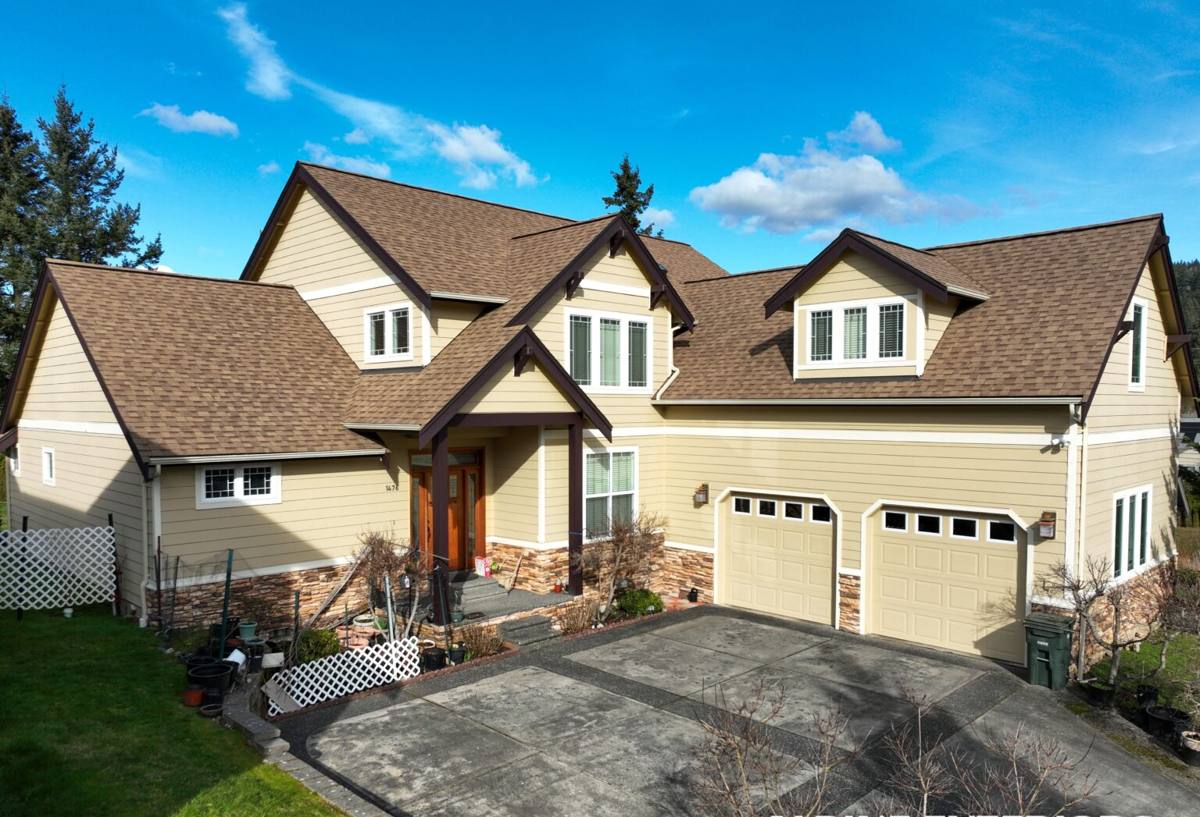
What Pinellas Park's Climate Does to an Undersized Deck
Wind
Florida Building Code sets wind load requirements for a reason. Decks are outdoor structures with no walls to block wind, which means railings, joists, and especially ledger board connections take direct load during storms. An underbuilt ledger connection or undersized post footing is one of the most common failure points we find on older Pinellas Park decks — it's rarely visible until a storm puts real load on the structure.
UV Exposure
Year-round Florida sun breaks down wood fibers, fades stains and sealants, and degrades lower-quality composite decking faster than manufacturers' marketing suggests. Surfaces that aren't properly finished or maintained gray out, crack, and splinter well ahead of schedule.
Wind-Driven Rain
Rain in this region rarely falls straight down. Storms push water sideways and upward under boards, into ledger connections, and behind fascia. Decks that aren't flashed and spaced correctly trap moisture in exactly the places you can't see — the top of a ledger board, the underside of a rim joist, inside a post base.
Salt Air
Even inland from the immediate coastline, salt air travels and accelerates corrosion on fasteners, joist hangers, and structural hardware. Standard zinc-coated screws and connectors that would be fine in a drier, inland climate can start rusting within a few years here.
What a Correctly Built Deck Requires in This Climate
A deck that's going to hold up in Pinellas Park needs a handful of things done right, none of which are visible once the project is finished — which is exactly why they get skipped by builders trying to hit a low price.
- Footings sized and set to local frost-free depth and wind uplift requirements, not just "deep enough to look solid"
- Ledger board properly flashed and sealed against the house — the single most common source of hidden rot
- Stainless steel or hot-dip galvanized fasteners and structural connectors rated for coastal exposure
- Joist hangers and hardware matched to the fastener metal to prevent galvanic corrosion
- Board spacing that allows for wood movement and proper drainage instead of trapping standing water
- Railings and post connections engineered for wind load, not just aesthetics
- Ventilation beneath the deck surface to prevent moisture buildup in the substructure
Choosing the Right Decking Material
There's no single "best" decking material — the right choice depends on your budget, how much maintenance you're willing to do, and how the deck will be used. Here's how the common options actually perform in a Pinellas County climate.
| Material | Upfront Cost | Maintenance | How It Handles Our Climate |
|---|---|---|---|
| Pressure-Treated Wood | Lowest | Annual sealing/staining recommended | Good if maintained; UV and moisture cycling cause graying, splitting, and warping if neglected |
| Composite Decking | Mid to High | Low — occasional cleaning | Resists rot and splintering well; quality varies significantly by brand, so we're selective about what we install |
| PVC/Capped Polymer | Highest | Lowest | Best resistance to moisture and UV fading of the common options; higher upfront investment |
| Tropical Hardwoods | High | Periodic oiling | Naturally dense and rot-resistant, but requires ongoing upkeep to maintain appearance |
Whatever material you choose, the substructure underneath — the framing, footings, and fasteners — matters more to the deck's lifespan than the surface material sitting on top of it. We'll walk you through the honest trade-offs for your specific project rather than pushing whatever has the best margin.
Structural Details That Matter Most
The Ledger Board Connection
This is where the deck attaches to your house, and it's the number one spot we find problems on older decks in this area. Wind-driven rain works its way behind improperly flashed ledgers, leading to rot in the rim joist and, in worst cases, structural framing behind the siding. Correct flashing — not just caulk — is non-negotiable.
Post Footings and Wind Uplift
Florida Building Code requires footings and post-to-beam connections designed to resist wind uplift, not just downward load. This means proper footing depth, correctly sized post bases, and hurricane-rated structural connectors at key joints — details that don't show in a finished photo but determine whether the deck stays put in a storm.
Fastener and Hardware Selection
We use stainless steel or hot-dip galvanized fasteners and connectors throughout, matched to avoid galvanic corrosion between dissimilar metals. It costs more than standard hardware. It's also the difference between hardware that's still sound in fifteen years and hardware that's rusting through in five.
Permitting in Pinellas County
Most deck construction in Pinellas Park requires a building permit, and inspections at key stages — footings, framing, and final — are standard practice under Florida Building Code. This isn't paperwork for its own sake: it's a second set of eyes confirming the structure meets wind load and safety requirements before it's covered up or put into use. We handle the permitting and inspection process as part of the job, so you're not left navigating county requirements on your own.
Our Deck Building Process
- On-site assessment — we evaluate your yard, existing structure (if replacing a deck), house connection point, and how you plan to use the space
- Design and material selection — honest guidance on materials, layout, and railing options based on your budget and maintenance preference
- Permitting — we prepare and submit permit documentation and schedule required inspections
- Site prep and footings — footings set to code depth and load requirements for this region
- Framing — ledger flashing, joists, beams, and structural connections built to resist wind and moisture
- Decking and railing installation — surface material installed with correct spacing and fastening
- Final inspection and walkthrough — we confirm everything passes and walk you through care and maintenance
Maintaining Your Deck After It's Built
Even a well-built deck needs some upkeep in this climate. Wood decks benefit from a sealant or stain refresh every one to two years to protect against UV and moisture. Composite and PVC decking need far less — mainly periodic cleaning to remove salt residue, pollen, and organic debris. All decking benefits from an annual check of fasteners and railing connections, since corrosion and wood movement can loosen hardware over time even when everything else looks fine.
Signs an Existing Deck Needs Rebuilding, Not Just Repair
If you already have a deck in Pinellas Park and you're not sure whether it needs a repair or a full rebuild, a few warning signs point toward the latter:
- Soft, spongy, or discolored decking near the house — often a sign of ledger board rot
- Visible rust staining around fasteners or connectors
- Wobbling railings or posts that move under light pressure
- Gaps or separation where the deck meets the house
- A deck built more than 15-20 years ago that's never been inspected structurally
A repair that only addresses the visible surface without checking the framing underneath can leave the underlying problem in place. We'll always tell you honestly whether a section can be repaired or whether the structure warrants a rebuild.
Why Local Experience in Pinellas Park Matters
A deck builder who works this specific area regularly already knows what Pinellas County inspectors look for, understands how this climate treats different materials over time, and has seen firsthand which shortcuts fail first. That's different from a crew working from a generic national playbook. When we walk your property, we're evaluating it against every other deck we've built and repaired in this same climate — not guessing at what will hold up.
If you're planning a new deck or need an honest opinion on an existing one, we're happy to take a look. Reach out for a free, no-pressure estimate using the form below — we'll walk the site, answer your questions, and give you a straight assessment of what your project actually needs.