 Largo Siding
 Why Belleair Bluffs Homes Put Extra Demand on Windows
Belleair Bluffs sits tight against the water on Pinellas County's Gulf side, and that location is exactly what makes window performance here different from a house twenty miles inland. Homes in this pocket of the county deal with a combination of stresses that most of the country never sees at the same time: hurricane-force wind loads, salt-laden air drifting off the Intracoastal, near-constant UV exposure, and wind-driven rain that gets pushed sideways into siding and window frames instead of just falling straight down. Any one of those on its own is manageable. Together, over years, they're what causes seals to fail early, frames to pit or discolor, and energy bills to creep up as a window's insulating value quietly breaks down.
When we talk about "energy-efficient windows" for a Belleair Bluffs home, we're not just talking about a comfort upgrade. We're talking about a product and installation method that has to survive this specific environment for it to actually deliver on the efficiency claim over the long run. A window that's efficient on day one but fails at the seal in year four because it wasn't rated or installed for coastal wind and salt exposure isn't really an efficient window — it's a short-term one.
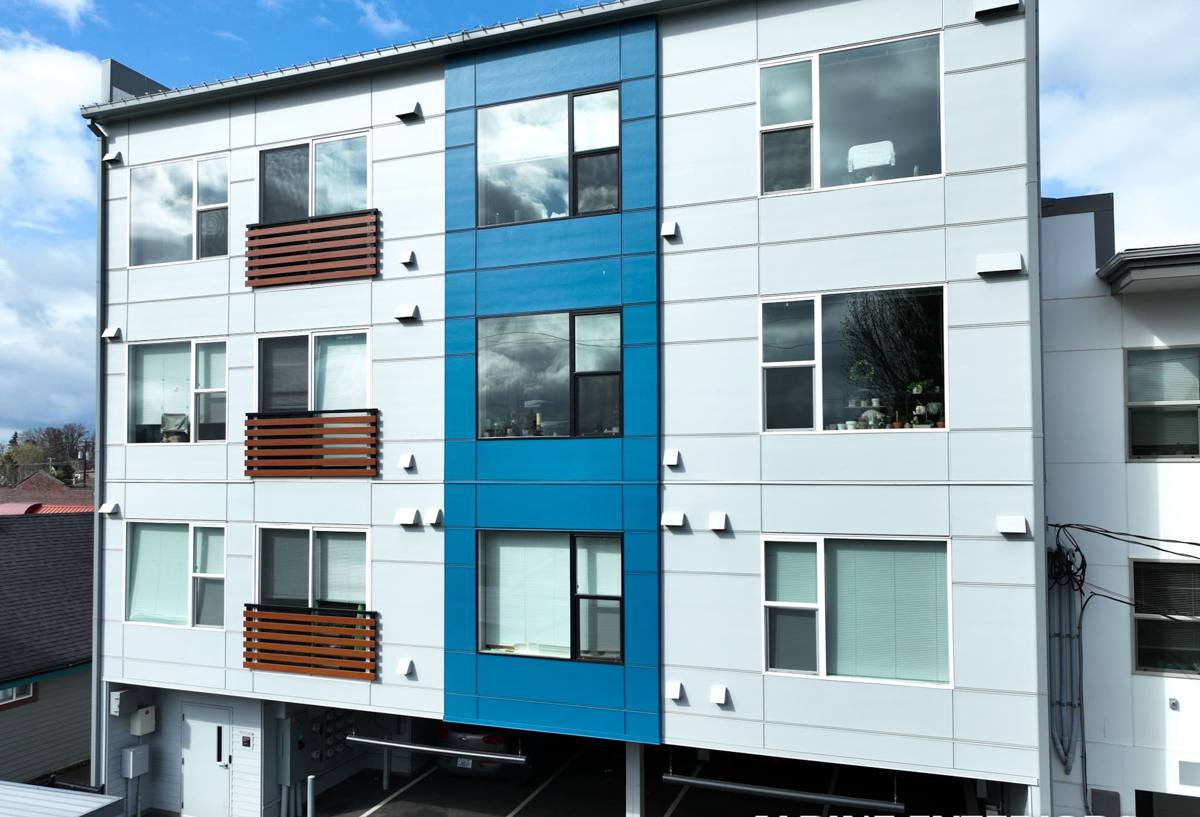
What "Energy-Efficient" Actually Means in This Climate
Energy-efficient windows work by controlling three things: how much heat transfers through the glass and frame, how much air leaks around the sash, and how much solar heat gets let into the house. In a hot, humid, sun-heavy climate like Pinellas County, the priority order is a little different than it would be up north. You're mostly fighting heat gain, not heat loss, and you're doing it against a backdrop of salt air and storm wind that most window ratings don't account for on their own.
Glass Packages That Make Sense for This Climate
For a Belleair Bluffs home, we generally steer people toward Low-E coated, insulated glass units, often with a tint or coating tuned to block solar heat rather than just insulate against cold. The goal is a low Solar Heat Gain Coefficient (SHGC) so the glass reflects infrared heat before it turns your living room into a greenhouse, while still keeping visible light transmittance high enough that the house doesn't feel dim. On coastal properties we also pay attention to how the glass performs impact-rated — since the same glazing that resists debris in a storm is doing double duty as your everyday thermal barrier.
Frame Materials and How They Hold Up to Salt Air
Frame choice matters as much as glass in a salt-air environment. Aluminum conducts heat efficiently, which is exactly what you don't want in a frame, and older aluminum frames near the water are prone to pitting and corrosion over time as salt settles into the metal. Vinyl doesn't corrode and insulates better, but lower-grade vinyl can warp or discolor under sustained Florida UV if it's not a UV-stabilized formulation. Fiberglass and composite frames tend to hold dimensional stability and color best under this combination of sun and salt, though they come at a higher price point. There's no single "right" frame for every house — it depends on your budget, your home's style, and how close you are to open water — but it's a conversation we have honestly rather than defaulting to whatever's cheapest to install.
Signs Your Current Windows Are Working Against You
Most homeowners don't think about their windows until something obviously breaks, but energy-efficiency loss is usually gradual. A few signs worth paying attention to:
- Condensation or fogging between the panes of a double-pane window — the seal has failed and the insulating gas or air gap is gone.
- Frames that feel warm to the touch on a sunny afternoon, especially on west- and south-facing exposures.
- Visible pitting, chalking, or discoloration on aluminum frames near the coast.
- A/C running longer cycles than it used to, with no other obvious cause.
- Drafts or a whistling sound during windy weather, which usually points to failed weatherstripping or a frame that's no longer square.
- Difficulty opening or closing sashes smoothly, often from frame warping or hardware corrosion.
None of these are emergencies by themselves, but they're the kind of thing that's cheaper to address on your timeline than on a storm's timeline.
What a Correct Installation Actually Involves
The window product matters, but installation is where most of the long-term performance is actually won or lost — especially in a coastal wind zone. A correctly installed window is sealed, flashed, and fastened in a way that keeps wind-driven rain out and keeps the frame doing its job for the life of the product. A poorly installed high-end window will underperform a properly installed mid-range one every time.
Here's what we consider non-negotiable on every install:
- Removing old windows without damaging the rough opening or surrounding wall structure.
- Inspecting the opening for water damage, rot, or prior improper flashing before anything new goes in.
- Installing house wrap and flashing tape in the correct shingle-style layering so water is always directed outward, never trapped behind the frame.
- Using fasteners and anchoring methods rated for the wind loads required in this part of Pinellas County — not generic screws sized for a calmer inland market.
- Sealing with a compatible, marine-grade or coastal-rated sealant, since some caulks degrade faster under constant salt and UV exposure.
- Confirming the unit is level, plumb, and square before final fastening — a slightly racked frame stresses the seal and shortens its life.
- Testing operation and lock engagement before we consider the job done.
Comparing Window Options for a Coastal Pinellas Home
There's no one "best" window for every house — it comes down to budget, exposure, and how the home is used. Here's a general comparison of the factors that actually matter for a Belleair Bluffs property:
| Factor | Standard Vinyl, Double-Pane | Impact-Rated Vinyl or Fiberglass | Aluminum-Framed (Legacy) |
|---|---|---|---|
| Upfront cost | Lowest | Moderate to higher | Varies by condition, often needs full replacement now |
| Storm protection | Requires separate shutters or panels | Built into the glass and frame assembly | Typically requires separate protection |
| Salt air durability | Good if UV-stabilized | Very good, especially fiberglass | Prone to corrosion and pitting over time |
| Insulating performance | Good | Very good, laminated glass adds a sound/thermal benefit | Weakest — aluminum conducts heat |
| Maintenance | Low | Low | Higher — frames need periodic attention |
Impact-rated glass costs more upfront but often lets you skip the cost and hassle of separate hurricane shutters or panels, and it's doing efficiency work year-round, not just during storm season. For homeowners on a tighter budget, a well-installed standard double-pane vinyl window paired with a solid shutter plan is still a legitimate, honest option — we'll tell you the real trade-offs either way instead of steering you toward the most expensive product by default.
Permits, Wind Zone, and Code Basics You Should Know
Window replacement in coastal Pinellas County isn't a grab-a-box-from-the-store project. Because of the area's windborne debris exposure, replacement windows generally need to meet current Florida Building Code requirements for wind pressure and impact resistance for this location, and the work typically requires a permit through the local building department. This isn't red tape for its own sake — it's the mechanism that keeps a bad installation from becoming a much bigger, much more expensive problem the next time a serious storm comes through.
A contractor who's used to working in this part of the county should already know which product ratings apply, what documentation the permit process expects, and how to schedule inspections without turning your project into a multi-week ordeal. If a contractor seems unfamiliar with any of that, or waves it off as unnecessary, that's worth treating as a warning sign rather than a convenience.
How Our Process Works, Start to Finish
We keep the process straightforward because window replacement is disruptive enough without added confusion:
- Free on-site estimate. We look at your current windows, note frame condition, exposure direction, and any water intrusion signs, and talk through product options that fit your budget and how the house is exposed.
- Written proposal. You get a clear scope of work and pricing before anything is ordered — no surprise add-ons midway through the job.
- Permitting. We handle the permit application and documentation for the county or city so the job is done to code, not just to a price point.
- Installation. Removal, opening inspection, flashing, sealing, and setting the new units, following the same standards on every window regardless of how visible it is from the street.
- Final walkthrough. We test every window with you before we consider the job finished, and clean up the work area fully.
Why Hiring a Crew That Already Works Belleair Bluffs Matters
A crew based in Largo that regularly works Belleair Bluffs and the surrounding Pinellas County coastline isn't guessing at wind ratings or salt-air behavior — it's routine knowledge from working this exact environment repeatedly. That familiarity shows up in small but real ways: knowing how a given home's era of construction typically handles a rough opening, understanding how quickly certain materials degrade this close to the water, and not treating storm-code compliance as an unfamiliar checkbox. It also means a contractor who's reachable and accountable locally, not a crew that installed a handful of jobs in the area once and moved on.
Windows are one of the more visible, high-impact upgrades you can make to a coastal home — for comfort, for your energy bill, and for how the house holds up the next time a serious storm rolls through the Gulf. Getting it right the first time, with a product and installation matched to this specific location, is worth more than saving a little upfront with a generic approach.
If you're weighing your options for your Belleair Bluffs home, we're happy to take a look and give you a straight, no-pressure estimate — use the form below to get started.