 Largo Siding
 Indian Shores sits on the barrier island strip of Pinellas County, with the Gulf of Mexico on one side and the Intracoastal Waterway on the other, connected to mainland Largo by causeway. That location is part of what makes it a great place to live, and it's also exactly why windows here wear out faster than they do a few miles inland. Hurricane-force wind events, intense year-round UV, wind-driven rain, and constant salt air all load onto a home's windows in ways that a standard Florida inland property just doesn't see at the same intensity. Window replacement on the barrier island isn't a bigger version of a mainland job — it's a different job, with different code requirements, different failure points, and less room for shortcuts.
Why Windows Wear Out Faster on This Stretch of the Coast
Every window on a barrier island home is fighting the same four things at once, year-round. Hurricane-force wind puts direct pressure on glass and framing during storm events, and on an older or under-rated window that pressure finds the weakest point — usually the seal around the frame or the anchoring into the wall. Year-round, intense UV breaks down vinyl, weatherstripping, and sealants faster than in a milder climate, which is why a window that might last decades in a shaded, temperate location can show yellowing, brittle gaskets, and failed seals well ahead of schedule here. Wind-driven rain during storms, and even during routine squalls, pushes water sideways into wall assemblies instead of straight down, which tests flashing and seals that a calmer climate would never stress the same way. And salt air off the Gulf goes to work on hardware, fasteners, and screen frames continuously — not just during storms — corroding metal components slowly but steadily for as long as the window is in place.
None of that means windows on Indian Shores are doomed to fail. It means the replacement has to be sized, rated, and installed with all four of those stresses in mind from the start, rather than treated like a standard swap.
Where Failure Actually Starts
On barrier island homes, it's rarely the glass itself that gives out first. It's the perimeter — a sill that's started letting water track in, a corner seal that's gone brittle from UV exposure, hardware that's seized or pitted from salt exposure, or anchoring that was adequate when the home was built but doesn't meet what current wind-load expectations call for. Those are the details that decide whether a window replacement holds up through hurricane season after hurricane season, or starts causing problems again within a few years.
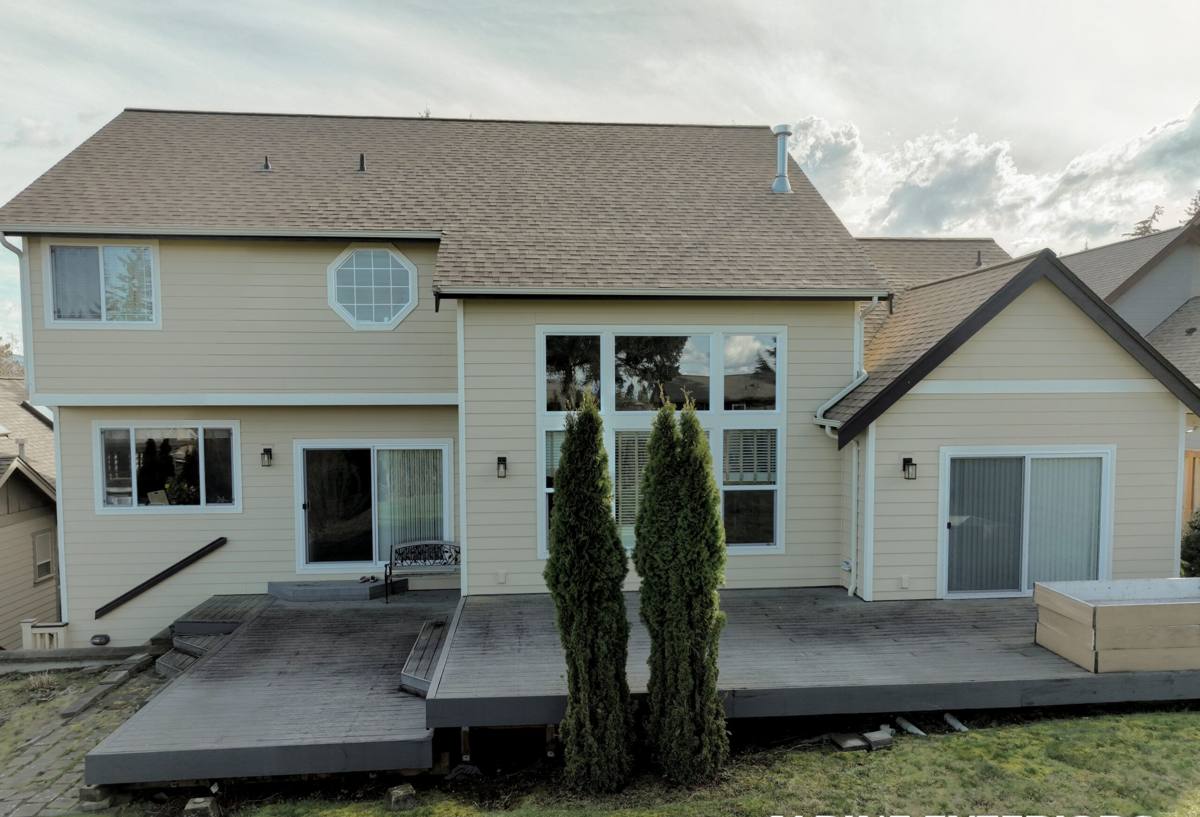
Signs an Indian Shores Home Is Overdue for Replacement
- Fogging or visible moisture trapped between panes on a double-pane window
- Frames that feel soft, chalky, or show visible pitting and corrosion on hardware
- Windows that are difficult to open, close, or lock the way they used to
- Noticeable drafts, whistling, or rattling during windy conditions
- Visible daylight or gaps where the frame meets the surrounding wall or siding
- Sills or trim that are discolored, soft, or show signs of water intrusion
- Windows that predate current impact standards and have never been upgraded
Any one of these on its own might be a minor repair. Several of them together, especially on a home with original or first-generation windows, usually means replacement is the more cost-effective path — patching a window that's failing in multiple places at once tends to cost more over time than doing the job right once.
What Florida Code Actually Requires Here
Pinellas County's wind-borne debris requirements apply to Indian Shores, and being on the barrier island puts these homes in one of the higher wind exposure categories in the county. In practical terms, that means replacement windows generally need to be impact-rated — either laminated impact glass or a comparable protective system — sized and rated to meet the wind pressure requirements for that specific address and exposure. It also means a permit and inspection are typically part of the process, not an optional step. This isn't a place where "close enough" on the rating is a safe bet; the requirement exists because these homes take the fuller force of hurricane-strength wind events with less buffer than properties set back from the coast.
The specific rating a window needs can vary even within Indian Shores, depending on how exposed a given wall is and how the home is oriented relative to the Gulf. That's a detail worth getting confirmed for your specific property rather than assuming a neighbor's rating automatically applies to your house.
Choosing a Replacement Window for a Barrier Island Home
Frame material and glazing both matter more here than they would on a typical inland job, simply because the exposure is higher. Vinyl and fiberglass frames generally hold up to sustained salt air and UV with less ongoing maintenance than an uncladded wood exterior finish, which is why we lead with them on Gulf-facing coastal replacements. That doesn't rule out wood entirely — a wood interior look with a properly protected, low-maintenance exterior cladding can still be the right call when the interior finish matters to a homeowner and the exterior is detailed correctly.
Frame and Glazing Options
| Option | Where It Fits Best | Trade-Off to Know |
|---|---|---|
| Vinyl impact frames | Most Indian Shores replacements, budget-conscious jobs | Generally the most cost-effective; color and profile options can be more limited than fiberglass |
| Fiberglass impact frames | Homes wanting a slimmer profile or paintable exterior | Higher upfront cost; very stable through temperature and UV cycling |
| Aluminum impact frames | Larger openings or sliding configurations needing structural strength | Strong and slim, but needs corrosion-resistant hardware and finish to hold up in salt air |
| Wood-interior, clad-exterior | Homeowners who want a wood look inside | Higher maintenance if the exterior cladding or seals aren't detailed correctly |
Impact Glass vs. Shutters
Laminated impact glass and accordion or roll-down shutters can both satisfy Florida's wind-borne debris requirements, but they behave differently day to day. Impact glass protects the home whether anyone is there to prepare or not, and it does its job every single day against UV and routine wind-driven rain, not just during a named storm. Shutters only protect the opening once someone has actually deployed them, and they don't do anything for the everyday wear a window faces the rest of the year. We'll walk through both options honestly for your specific home rather than assuming one is automatically right.
What a Correct Installation Actually Involves
Assessment
We start with a field measurement of the actual opening and an honest look at that wall's specific wind exposure — a Gulf-facing elevation gets treated differently than a more sheltered side of the same house. That assessment is what determines the impact rating the replacement window needs to meet for your address.
Removal and Substrate Check
Once the old window comes out, we check the framing and substrate underneath for hidden water damage, corrosion, or wood rot — issues that are common on older barrier island homes and easy to miss until the old unit is actually out. Anything found gets addressed as part of the job, not treated as a surprise change order after the fact.
Anchoring and Structural Attachment
An impact-rated window is only as good as its anchoring. We set attachment points to meet the wind-load requirement for the unit's size and the wall's exposure, not just a generic minimum.
Flashing and Weatherproofing
This is the step that determines whether a window replacement actually keeps water out during wind-driven rain. Flashing has to lap correctly with the surrounding wall so water sheds outward instead of working its way behind the trim, and every seam gets sealed with materials rated for sustained coastal moisture — not just standard caulk asked to do a job it was never designed for on its own.
Hardware and Finish
We spec corrosion-resistant hardware and fasteners as standard practice on coastal installs, since salt air will find and exploit anything less. Trim and sealant joints get finished to hold up to daily UV and salt exposure, not just look right on the day of install.
Our Process, Start to Finish
- On-site assessment — measure the opening, evaluate that wall's specific wind exposure, and check for existing substrate or framing issues
- Honest recommendation — the impact rating and window type that actually fits your home, explained plainly, with no upsell to a rating you don't need
- Permitting — we handle the permit and inspection requirements that apply to impact window replacement in Pinellas County
- Ordering — a realistic lead time, since impact-rated units are typically built to order rather than pulled off a shelf
- Removal and prep — old units come out carefully, with any hidden issues addressed before new ones go in
- Installation and anchoring — new units set and anchored to meet the wind-load requirement for their size and location
- Flashing, sealant, and finish — weatherproofing detailed for the specific opening, then finished to match the home
What Changes the Cost
| Factor | What Changes the Price |
|---|---|
| Impact rating required | Direct Gulf-facing exposures typically need a higher-rated unit than a more sheltered wall |
| Window size and count | Larger openings and full-home replacements have different per-unit economics than a one-off swap |
| Frame material | Vinyl generally costs less upfront than fiberglass or aluminum; each has different long-term maintenance |
| Substrate condition | Hidden rot, corrosion, or prior flashing failures found during removal add repair work before the new unit goes in |
| Configuration | Sliding, casement, and picture windows carry different hardware and structural requirements at the same size |
| Permitting scope | A full-home replacement generally requires the same permit process as a single window, so consolidating jobs can be more efficient |
Why a Crew That Already Works Indian Shores Matters
Manufacturer installation instructions are written for average conditions, and a barrier island home in Pinellas County isn't average. A crew that doesn't regularly work this kind of exposure can get the impact rating correct on paper and still miss the details that actually keep water and wind out over time — how much a flashing lap needs to overlap on a Gulf-facing wall, which anchoring pattern actually performs under real hurricane-force load rather than just the code minimum, and when a sealant joint needs extra attention because of daily UV and salt cycling rather than just a one-time storm event.
We work Indian Shores and the rest of the Largo area regularly, so we're not guessing at how a particular elevation or wall type tends to hold up here over several hurricane seasons. That experience shows up in the small decisions on the job — the ones that determine whether a window replacement is still performing well years later or starting to show problems again within a couple of seasons.
Ready to Talk Through Your Windows?
If you're dealing with drafty, foggy, or failing windows on an Indian Shores property, or you're just not sure whether your current windows meet today's wind-borne debris requirements, it's worth having someone take an honest look at the actual openings and exposure before you start pricing units. We offer free, no-pressure estimates for window replacement in Indian Shores and the surrounding Largo area — use the form below to get a time on the schedule.