 Largo Siding
 Siding Installation in Palm Harbor: Built for This Coastline, Not a Generic Climate
Palm Harbor homes sit in one of the more demanding exterior environments in the country. Between hurricane-force wind events, sun exposure that runs strong essentially year-round, wind-driven rain that gets forced sideways into laps and seams, and salt air rolling in off the Gulf and Tampa Bay, the siding on a Pinellas County home is under constant, compounding pressure. None of these forces act alone — they layer on top of each other, and the siding material and installation method that would hold up fine in a milder climate often can't keep pace here.
A siding installation done for Palm Harbor needs to be engineered for this specific combination, not adapted from a generic weather profile. That distinction — building for the actual conditions a house will face rather than the conditions a product was originally designed around — is the difference between an exterior that holds its line for decades and one that starts showing problems within a few storm seasons.
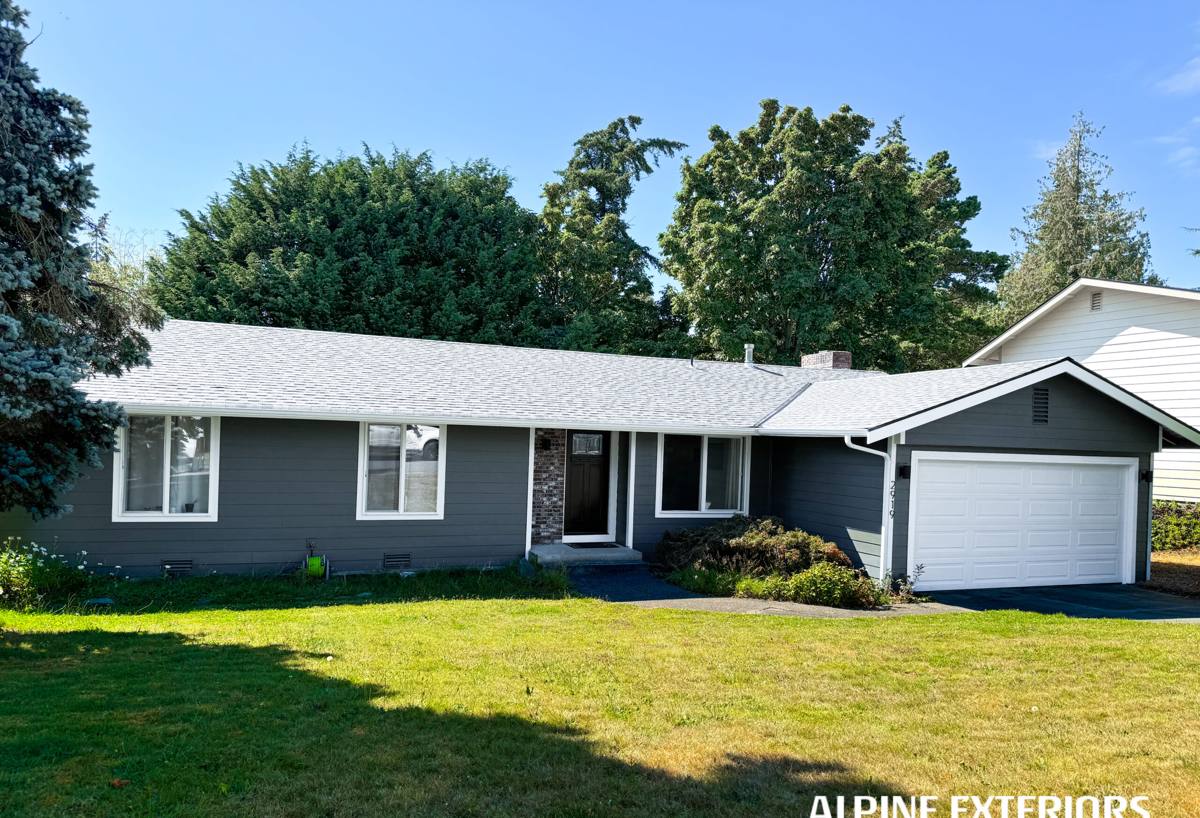
What Correct Siding Installation Actually Involves
Siding installation isn't just fastening panels to a wall in a straight line. The parts of the job that determine whether a home stays dry and intact through the next decade of Florida weather happen before a single piece of visible siding goes up, and in details most homeowners never see once the job is finished.
Water Management Comes Before the Panel
Every wall assembly needs a weather-resistive barrier installed correctly, with proper overlaps, and flashed at every penetration — windows, doors, hose bibs, light fixtures, vents. In a climate where wind-driven rain gets pushed horizontally instead of falling straight down, flashing details that would be "good enough" in a calmer climate aren't good enough here. Water that gets behind the cladding and has nowhere to drain is what causes rot, mold, and structural damage, and it's almost always a flashing or drainage-plane failure, not a failure of the siding material itself.
Fastening Patterns That Hold Through Wind Events
Pinellas County sits in a wind zone that calls for specific fastener types, spacing, and embedment depth, and those requirements exist because the county has seen what happens when siding isn't fastened to withstand real wind loads. Manufacturer installation instructions spell out exact nailing patterns for high-wind zones, and skipping or shortcutting them is one of the most common reasons siding fails during a storm — not because the material itself couldn't handle the wind, but because it wasn't attached the way it needed to be for this specific zone.
Clearances and Ventilation
Proper clearance from the ground, from roof lines, and from horizontal surfaces like decks and patios keeps siding away from standing water and splash-back, which matters even more in a humid, high-rainfall climate. Ventilation behind the cladding lets any moisture that does get in dry out instead of staying trapped against the wall, and that detail alone has a real effect on how long a siding system lasts in a coastal environment.
Why We Install Only James Hardie Fiber Cement
We install James Hardie fiber cement siding exclusively. We don't install vinyl, LP SmartSide, Cemplank, Allura, primed spruce, or cedar, and that's a deliberate professional standard, not a limitation in what we're capable of installing.
Fiber cement is non-combustible, which matters on its own merits, and it doesn't expand and contract with heat the way vinyl does — a real consideration under sustained Florida sun. James Hardie's HZ5 product line is engineered specifically for high-humidity, high-moisture climates like ours, with a formulation built to resist moisture-related damage better than standard fiber cement. The factory-applied ColorPlus finish is baked on under controlled conditions rather than field-painted, which gives it more consistent UV resistance than a site-applied coat, and it comes with a longer color warranty than most homeowners get from a standard paint job. Combined with a transferable product warranty, that's a combination we haven't found matched by the other materials on the market.
What That Standard Rules Out
Vinyl siding can soften, warp, or distort in sustained high heat, and it's a poor performer in a direct impact event. LP SmartSide and primed spruce are wood-based products — well-engineered wood in LP's case — but wood-based siding is inherently more sensitive to sustained moisture exposure than fiber cement, and that's a real factor in a climate with our humidity and rainfall totals. Cedar carries the same moisture sensitivity along with a maintenance schedule most homeowners underestimate when they choose it. Cemplank and Allura are also fiber cement products, and reasonable options in general — we simply standardized on James Hardie's specific formulations, factory finish process, and warranty structure, and we'd rather install one system extremely well than several systems adequately.
Comparing Siding Options for a Palm Harbor Home
| Material | Wind/Impact Resistance | Moisture Behavior | UV/Fade Resistance | Typical Maintenance |
|---|---|---|---|---|
| James Hardie Fiber Cement (HZ5) | Strong; engineered for high-wind zones | Formulated for humid climates | Factory ColorPlus finish, long color warranty | Periodic caulk/paint checks; no wood rot risk |
| Vinyl | Can crack or blow off in high wind | Doesn't rot, but traps moisture behind it if installed poorly | Can fade and grow brittle under sustained UV | Low, but limited repair options once damaged |
| LP SmartSide / Primed Spruce | Good when installed correctly | Wood-based; sensitive to sustained moisture | Field-applied paint fades faster than factory finish | Regular repainting and caulk maintenance |
| Cedar | Moderate; depends on grade and install | High moisture sensitivity | Requires sealing/staining to hold color | High — ongoing sealing and inspection |
Signs a Palm Harbor Home's Siding Needs Attention
Because Pinellas County's climate works on siding year-round rather than seasonally, problems tend to show up gradually and get dismissed as cosmetic until they aren't. Some of the more common signs we see on Palm Harbor homes:
- Visible cracking, buckling, or warping, especially on walls that face prevailing wind and rain
- Soft spots, discoloration, or a spongy feel near the bottom courses or around window and door trim
- Caulk joints that have pulled away, cracked, or gone brittle
- Fading or chalking that's noticeably uneven across different sides of the house
- Visible fastener heads, popped nails, or panels that have started to separate from the wall
- Musty odors or interior wall staining near exterior walls, which can point to moisture already behind the siding
Any one of these on its own might not be urgent. Several appearing together, or appearing sooner than the age of the siding would suggest, usually means water is getting behind the cladding somewhere and the installation — not just the material — is worth a closer look.
Our Installation Process
We walk every job through the same sequence, because skipping steps is how climate-related failures happen later:
- Inspection and measurement — we assess the existing wall assembly, identify any moisture damage or rot that needs to be addressed before new siding goes on, and take precise measurements.
- Tear-off and substrate check — old siding comes off and we confirm the sheathing underneath is sound, repairing or replacing anything compromised before moving forward.
- Weather-resistive barrier and flashing — a properly lapped barrier goes on first, with flashing detailed at every window, door, and penetration to route water out and away from the wall.
- James Hardie panel installation — installed to manufacturer specifications for our wind zone, with correct fastener type, spacing, and clearances from grade, roof lines, and other surfaces.
- Trim, caulking, and finish detail — joints and penetrations are sealed correctly, and every detail is checked against manufacturer specs before we call the job finished.
- Final walkthrough — we go through the completed work with the homeowner so there are no surprises about what was done or why.
Why a Crew That Already Works Palm Harbor Matters
Installation instructions on paper are the same everywhere. What actually holds up on a Palm Harbor home comes down to judgment calls made on-site — how much clearance to leave near a low-lying yard that holds water after a heavy rain, how a wall facing prevailing wind and rain needs extra attention at the flashing details, how salt air affects fastener choice over time. A crew that already works in this part of Pinellas County has made those calls repeatedly and knows where this climate tends to expose a weak installation before it ever gets the chance to.
That local familiarity also matters when it comes to permitting and wind-zone compliance. Palm Harbor and the surrounding Largo area fall under Pinellas County's wind-load requirements, and a crew that installs here regularly isn't learning those requirements for the first time on your house.
What Affects the Cost of a Siding Installation
Every home is different, but the same handful of factors drive most of the cost variation we see on Palm Harbor projects:
| Factor | Why It Matters |
|---|---|
| Home size and wall complexity | More square footage and more corners, gables, and trim details mean more material and labor |
| Condition of the substrate | Rot or moisture damage found during tear-off adds repair work before new siding can go on |
| Siding profile and accessories | Lap width, trim style, and accent details all affect material cost |
| Access and site conditions | Multi-story walls, tight lot lines, and landscaping can affect labor time |
| Existing siding removal | Tear-off and disposal of the old material adds time versus building on a bare wall |
We won't quote a number without seeing the house, but we can walk through these factors with you honestly during an estimate so there aren't surprises once work begins.
If your Palm Harbor home is due for new siding, or you're not sure whether what you're seeing is cosmetic or something more, we're happy to take a look. Reach out for a free, no-pressure estimate — the form below gets you started.