 Largo Siding
 New Roof Installation in Palm Harbor: Built for the Climate You Actually Live In
A new roof is one of the few home improvements where the installation matters more than the material. Two houses in Palm Harbor can have the exact same shingle on them, and one will still be performing at year fifteen while the other is leaking at year eight. The difference almost never comes down to bad luck. It comes down to what happened underneath the roof covering before the first shingle ever went down, and whether the crew understood what this part of Pinellas County actually does to a roof system over time.
This page is specifically about new roof installation for homes in and around Palm Harbor — not a generic overview of roofing in general. If you're comparing quotes, trying to figure out why one bid is thousands less than another, or just trying to understand what "correct" actually looks like, this is written to help you make that call.
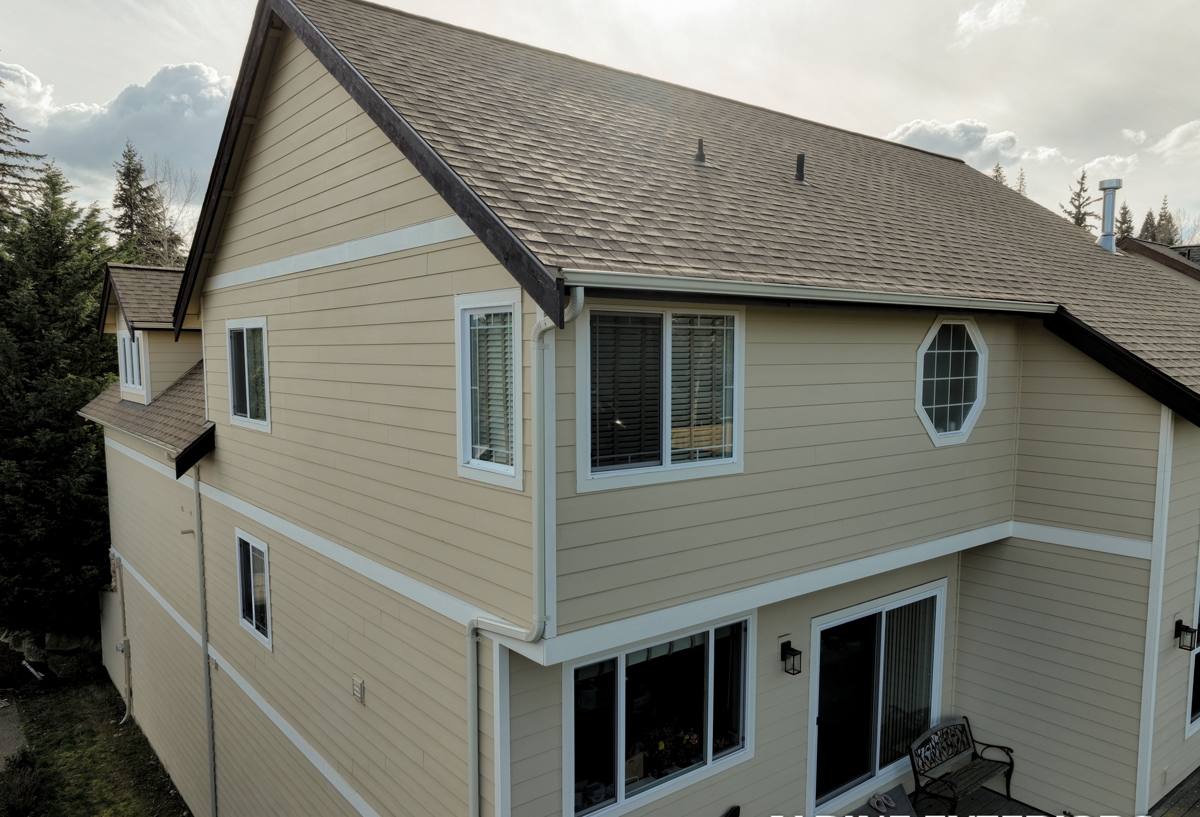
What Palm Harbor's Climate Does to a Roof
Palm Harbor sits close enough to the Gulf that roofs here take on a combination of stresses that inland roofs never see. None of these show up overnight — they accumulate, which is exactly why so many roof failures look sudden when they aren't.
Year-Round UV Exposure
Florida's sun angle and number of clear-sky days put shingles, membranes, and sealants through more UV cycling per year than almost anywhere else in the country. UV breaks down asphalt oils and rubberized compounds, which is why granule loss, brittleness, and sealant cracking tend to show up earlier here than the manufacturer's national averages suggest.
Wind-Driven Rain
Straight-down rain is easy for any roof to shed. Wind-driven rain — rain being pushed sideways and even upward under the roof edge — is what actually tests an installation. It finds gaps in flashing, undersized nail patterns, and underlayment laps that were installed backward or too short. A roof can look fine in a normal afternoon shower and still fail during a wind event because the water was never traveling straight down in the first place.
Hurricane-Force Wind Loads
Pinellas County roofs have to be designed around uplift, not just water shedding. Wind gets under a roof edge or a lifted shingle tab and creates negative pressure that pulls the covering upward. Fastener count, fastener placement, starter strip application, and edge metal are what resist that — and they're also the details that are cheapest to shortcut and hardest for a homeowner to verify after the fact.
Salt Air
Even a few miles from open water, salt-laden air accelerates corrosion on exposed metal — flashing, fasteners, vent stacks, and drip edge. Standard-grade metal and fasteners that would be fine in a drier inland climate can start showing rust and pitting well before a coastal-rated roof system would.
What a Correct New Roof Installation Actually Involves
A new roof isn't just "old shingles off, new shingles on." The parts of the job that determine whether it lasts are mostly invisible once it's finished, which is exactly why they're worth understanding before work starts.
Full Tear-Off and Deck Inspection
We remove the existing roof covering down to the deck rather than layering over it. That's the only way to actually see the plywood or OSB underneath — soft spots, delamination, or old water staining don't show up until the old layers are off. Any damaged decking gets replaced before anything else happens; installing a new roof over compromised decking just guarantees a shorter lifespan for the whole system.
Underlayment
This is the roof's real waterproofing layer — the shingles or tiles are the weather shield, but the underlayment is what protects the deck if wind or wear ever gets past that outer layer. In a wind-driven rain climate, underlayment selection and correct lap direction and overlap distance matter as much as the covering itself.
Flashing and Edge Details
Valleys, chimneys, wall intersections, and roof edges are where the overwhelming majority of leaks originate — not the open field of the roof. Correct step flashing, counterflashing, and drip edge, properly integrated with the underlayment (not just caulked over the top), is what actually keeps water out long-term.
Fastening for Wind Resistance
Nail count, nail placement, and starter strip installation at the eaves and rakes are what a roof's actual wind performance depends on. This is also the detail most likely to be shortcut on a rushed or underpriced job, because it costs labor time and material with nothing to show for it visually.
Ventilation
A hot, poorly ventilated attic shortens the life of the roof covering from underneath, drives up energy bills, and can contribute to moisture problems in the deck. Ventilation gets planned as part of the roof system, not treated as an afterthought.
Roofing Material Options for Palm Harbor Homes
There's no single "best" roofing material — the right choice depends on your home's roof pitch, your budget, how long you plan to stay in the home, and how much maintenance you're willing to do. Here's an honest comparison of what we install most often in this area.
| Material | Typical Lifespan (Coastal FL) | Wind Performance | Maintenance |
|---|---|---|---|
| Architectural asphalt shingle | 18–25 years | Good with correct high-wind fastening and rated shingle | Low |
| Standing seam metal | 35–50+ years | Excellent when properly fastened | Low |
| Concrete or clay tile | 30–50 years | Excellent for the tile itself; failure point is usually the underlayment beneath it | Moderate — underlayment needs replacement mid-life |
| 3-tab asphalt shingle | 12–18 years | Lower wind rating than architectural shingles | Low |
We'll walk you through which option fits your roof and your goals rather than pushing whatever happens to be sitting in inventory. If a product isn't a good fit for a given roof pitch, deck condition, or budget, we'll say so directly rather than installing it and letting the trade-offs show up later.
Our Installation Process, Step by Step
- Inspection and estimate — we assess the current roof, attic ventilation, and deck condition, and give you a clear, written scope before any work is scheduled.
- Material selection — we go over the honest trade-offs between materials for your specific roof rather than a one-size answer.
- Permitting — we pull the required permit through the local building department before work begins.
- Tear-off and deck inspection — full removal down to the deck, with any damaged sheathing replaced and documented.
- Underlayment and flashing installation — installed to current code and manufacturer specification, with attention to laps, valleys, and penetrations.
- Roof covering installation — installed with the fastening pattern and starter details appropriate for our wind zone, not just the manufacturer's minimum.
- Final inspection and cleanup — a walk-through with you, magnetic sweep for debris, and scheduling of the required inspection.
Permits, Wind Mitigation, and Insurance
Every new roof installation in Pinellas County requires a permit and a final inspection through the local building department — there's no legitimate shortcut around this, and a contractor who suggests skipping it is telling you something important about how they operate. We handle the permit process as a standard part of the job.
It's also worth knowing about the wind mitigation inspection. After a roof replacement, a licensed inspector can document the roof's construction details — deck attachment, roof shape, roof-to-wall connections, and the presence of a secondary water barrier — and that documentation can qualify you for meaningful discounts on your homeowners insurance premium. It's a separate inspection from the building permit process, but it's worth scheduling once your new roof is complete, since Florida insurers weight these credits heavily in coastal counties.
Signs Your Palm Harbor Home Needs a New Roof
Roofs rarely fail all at once. These are the signs worth acting on before a leak forces the decision for you:
- Granules collecting in gutters or at downspouts in noticeably larger amounts than before
- Shingles that are curling, cupping, or losing their tabs at the edges
- Visible daylight through the attic decking or fresh water staining on attic wood
- Soft or spongy spots when walking the roof deck
- Missing or lifted shingles after a wind event, even if no leak has appeared yet
- Rusted or deteriorating flashing around chimneys, vents, or roof-wall intersections
- A roof approaching or past 20 years old with no major work done since installation
- Rising energy bills that track with a hotter, poorly ventilated attic
What Drives the Cost of a New Roof
Every roof is priced individually after an inspection, but the same handful of factors move the number up or down on almost every job:
| Factor | Why It Matters |
|---|---|
| Roof size and number of facets | More valleys, hips, and penetrations mean more flashing labor per square |
| Deck condition | Rotten or delaminated decking found during tear-off adds material and labor to replace it correctly |
| Material choice | Metal and tile cost more upfront than shingle but last considerably longer |
| Roof pitch and access | Steep or hard-to-access roofs take longer and require more safety setup |
| Ventilation upgrades | Adding or correcting attic ventilation is best done at the same time as a full re-roof |
Be cautious of a bid that's dramatically lower than the others without a clear explanation — it's often a sign that flashing detail, fastening schedule, or underlayment quality is being cut to hit a number, and those are exactly the details that determine whether the roof survives the next major wind event.
Why a Crew That Already Works Palm Harbor Makes a Difference
A roofing crew that regularly works Palm Harbor and the surrounding Pinellas County area already knows the local permitting process, the wind zone requirements that apply to this part of the coast, and what actually fails first on roofs exposed to Gulf-driven weather versus a roof built for a drier, calmer climate. That familiarity shows up in decisions you'd never see on a proposal — how the crew laps underlayment at a valley, how they detail a wall-to-roof transition, and whether they treat the fastening schedule as a formality or as the thing that keeps the roof on the house during the next storm. We show up, do the work correctly the first time, and stand behind it — no gimmicks, no pressure, no shortcuts you'll pay for later.
If your roof is showing its age or you're planning ahead of storm season, we're happy to come out, take an honest look, and walk you through what we find. Use the form below to request a free, no-pressure estimate.