 Largo Siding
 Palm Harbor's Climate Is Hard on Siding — Here's Why
Homes in the Palm Harbor area sit in a stretch of Pinellas County that takes a real beating from the outside in. Hurricane-force winds test every fastener and seam. Intense, near year-round UV bakes paint and breaks down anything not built to hold color. Wind-driven rain finds its way into gaps that would never leak in a drier climate. And salt air off the Gulf slowly corrodes metal components and degrades lesser siding materials from the surface inward. Any one of these on its own is manageable. Together, they're why so many Palm Harbor homes end up re-siding well before they should have to.
The siding on a Palm Harbor home isn't just cosmetic — it's the first line of defense against water intrusion, wind uplift, and heat transfer. When it fails, the damage usually shows up somewhere more expensive: sheathing rot, mold behind the wall cavity, or a stucco-and-siding transition that's been letting water in for years unnoticed.
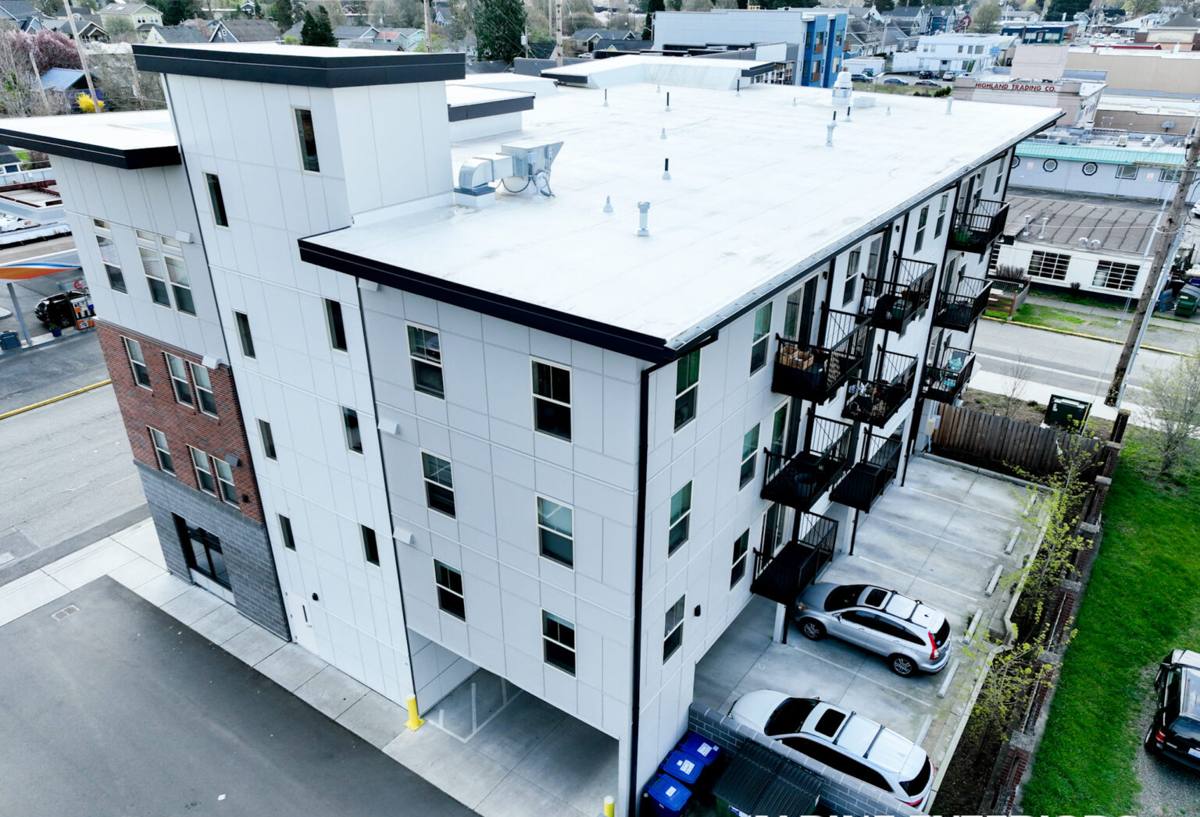
What Fiber Cement Actually Does for a Home Here
Fiber cement siding is a mix of cement, sand, and cellulose fibers, pressed and cured into planks. That composition matters a lot in this climate for a few specific reasons:
- It doesn't burn. Fiber cement is non-combustible, which matters in a region where dry lightning season and grass fires are a real seasonal risk alongside the hurricane threat.
- It doesn't rot or delaminate from moisture the way wood-based products can. Wind-driven rain during a tropical storm or hurricane will find every weak point in a home's exterior — fiber cement's cement-based core doesn't swell, warp, or feed fungal growth the way wood fiber products do when they take on water.
- It holds its shape in heat and humidity. Pinellas County summers run hot and humid for months at a stretch. Materials that expand and contract a lot with temperature swings eventually work their fasteners loose or open up seams. Fiber cement's dimensional stability is a genuine advantage here.
- It resists wind-borne debris better than thinner claddings. During named storms, siding takes hits from branches, palm fronds, and airborne grit. Fiber cement's density holds up to that abuse far better than vinyl.
None of this means fiber cement is maintenance-free or bulletproof. It means it's a material genuinely engineered for the abuse a Gulf-adjacent Florida exterior takes, rather than one that merely tolerates it.
Why We Only Install James Hardie
Fiber cement isn't a single product — several manufacturers make it, and the differences between brands show up over time, not on installation day. We standardized on James Hardie specifically because of how the company engineers its products for regional conditions, backs them with a real transferable warranty, and finishes them with a factory-applied color system instead of leaving color quality up to job-site paint application. For a Palm Harbor home exposed to sun, salt, and storms for decades, those differences compound.
We're not going to tell a homeowner that every other fiber cement brand is unusable — that wouldn't be honest. What we will say is that after years of installing and standing behind this work, James Hardie is the product we're willing to put our name on, and it's the only fiber cement brand we install.
HardieZone: Built for Where You Actually Live
James Hardie engineers its siding by climate zone rather than shipping one national product. Homes in Florida, including Palm Harbor, fall into the HZ5 zone — the line formulated specifically for high-humidity, high-moisture, storm-exposed regions. That engineering shows up in the product's resistance to moisture-related damage and its performance in the freeze-thaw-free but humidity-heavy conditions typical of the Gulf coast. It's a meaningfully different product from what gets installed on a home in a dry, low-humidity climate, and that distinction matters when you're deciding what goes on a Palm Harbor exterior.
What a Correct Fiber Cement Installation Involves
Fiber cement is only as good as its installation. A slightly wrong fastener pattern, a missed clearance, or skipped flashing detail can undercut everything the material is designed to do — and in a climate that stresses siding this hard, mistakes surface fast. A correct job includes:
- Proper water-resistive barrier and flashing at every window, door, and penetration before a single plank goes up
- Correct fastener type, spacing, and depth — over-driven or under-driven nails are one of the most common causes of early siding failure
- Minimum clearance maintained between the siding's bottom edge and roofing, decking, and grade, so water has somewhere to go
- Properly sized and caulked joints where panels meet, using sealants rated for sustained UV and coastal humidity exposure
- Correct overlap and shingle-lap on lap siding courses to shed wind-driven rain rather than trap it
- Factory-cut edges primed or sealed wherever field cuts expose raw material
Skipping any one of these doesn't usually cause a visible problem on day one. It shows up two, five, or ten years later as a soft spot, a paint failure, or water damage behind the wall — after the cause is buried and much harder to trace.
Our Process on a Palm Harbor Project
Assessment and Estimate
We start by walking the exterior, checking the current siding and the substrate underneath it for hidden moisture damage, and talking through what the home actually needs — not a generic package. Wind exposure, sun exposure by elevation, and the condition of existing trim and flashing all factor into the plan.
Preparation
Old siding comes off, the sheathing gets inspected and any damaged sections are addressed before anything new goes on, and a compliant water-resistive barrier is installed. This step gets skipped or rushed more often than any other in the industry — it's also the step that determines whether the new siding lasts.
Installation
James Hardie panels or lap siding go up to manufacturer specification: fastener schedule, clearances, flashing, and joint treatment all done to spec, not to the fastest possible pace.
Final Inspection
We walk the finished exterior looking specifically for anything that could become a wind or water entry point down the line — caulk lines, corner details, and penetrations get a final check before we call the job done.
What Fiber Cement Siding Costs to Factor In
Every home is different, and we don't quote a number without seeing the project, but these are the variables that actually move the price on a Palm Harbor fiber cement job:
| Cost Factor | Why It Matters |
|---|---|
| Home size and wall complexity | More corners, gables, and dormers mean more cutting, flashing, and labor time |
| Existing siding removal and disposal | Tear-off adds labor and disposal cost versus a bare or already-stripped substrate |
| Substrate repair needs | Rotted or water-damaged sheathing found during tear-off has to be fixed before new siding goes on |
| Siding profile chosen | Lap siding, shingle-style panels, and vertical panel systems differ in material and labor cost |
| Trim and accessory scope | Corner boards, window trim, and soffit work add to the overall job |
| Color and finish | Factory ColorPlus finishes cost more upfront than field-painted siding but remove a recurring repaint expense |
Broadly, fiber cement sits above vinyl and below full masonry or stone veneer in upfront cost, with the advantage of far lower long-term maintenance spend than either wood-based or field-painted alternatives.
Living With Fiber Cement in a Coastal Pinellas County Climate
Fiber cement is low-maintenance, not no-maintenance. In this environment, a few habits go a long way:
- Rinse the exterior periodically to clear salt residue, especially on homes closer to the water or exposed to prevailing coastal winds
- Inspect caulked joints annually, particularly after hurricane season, and re-caulk any that have cracked or pulled away
- Keep irrigation heads and sprinklers from soaking the siding directly — constant wetting shortens the life of any exterior finish
- Watch trim and corner details after major storms for any displaced or damaged sections rather than waiting for a full inspection cycle
A factory ColorPlus finish extends the repaint interval well beyond what field-applied paint achieves under this much UV exposure, which is a meaningful, ongoing savings over the life of the siding rather than just an installation-day upgrade.
Why Hiring a Crew That Already Works Palm Harbor Matters
Wind load requirements, local permitting expectations, and typical construction details vary by jurisdiction, and Pinellas County has its own rules and inspection process. A crew that regularly works in and around Palm Harbor already knows what local inspectors look for, what fastening schedules the wind zone here calls for, and how to sequence a job around this area's storm season rather than learning it on your project. That familiarity shows up in fewer surprises, fewer callbacks, and a job that passes inspection the first time.
It also means faster response if a named storm is approaching and homes in the area need siding secured or repaired quickly — a crew already working this market can mobilize faster than one coming from outside it.
If you're weighing siding options for a Palm Harbor home, we're happy to walk the exterior, look at what's there now, and talk through what James Hardie fiber cement would actually involve for your specific house — no pressure, no generic sales pitch. Use the form below to request a free estimate.