 Largo Siding
 New Roof Installation for Kenneth City Homes
Kenneth City sits in the middle of Pinellas County, close enough to the Gulf and Tampa Bay that every roof in this small town lives under the same conditions that wear down roofs anywhere in the Largo area: long stretches of intense UV, sudden wind-driven downpours, and the salt-laden air that moves inland off the water. A roof here isn't just shedding rain — it's fighting sun degradation twelve months a year and getting tested by tropical storm and hurricane winds during the season. When we install a new roof for a Kenneth City homeowner, we're building for that specific combination, not for a generic weather pattern.
This page covers what a correct new roof installation looks like for homes in and around Kenneth City, what our process involves from first visit to final inspection, and why it matters to hire a crew that already works this specific pocket of Pinellas County rather than a company that treats every zip code the same.
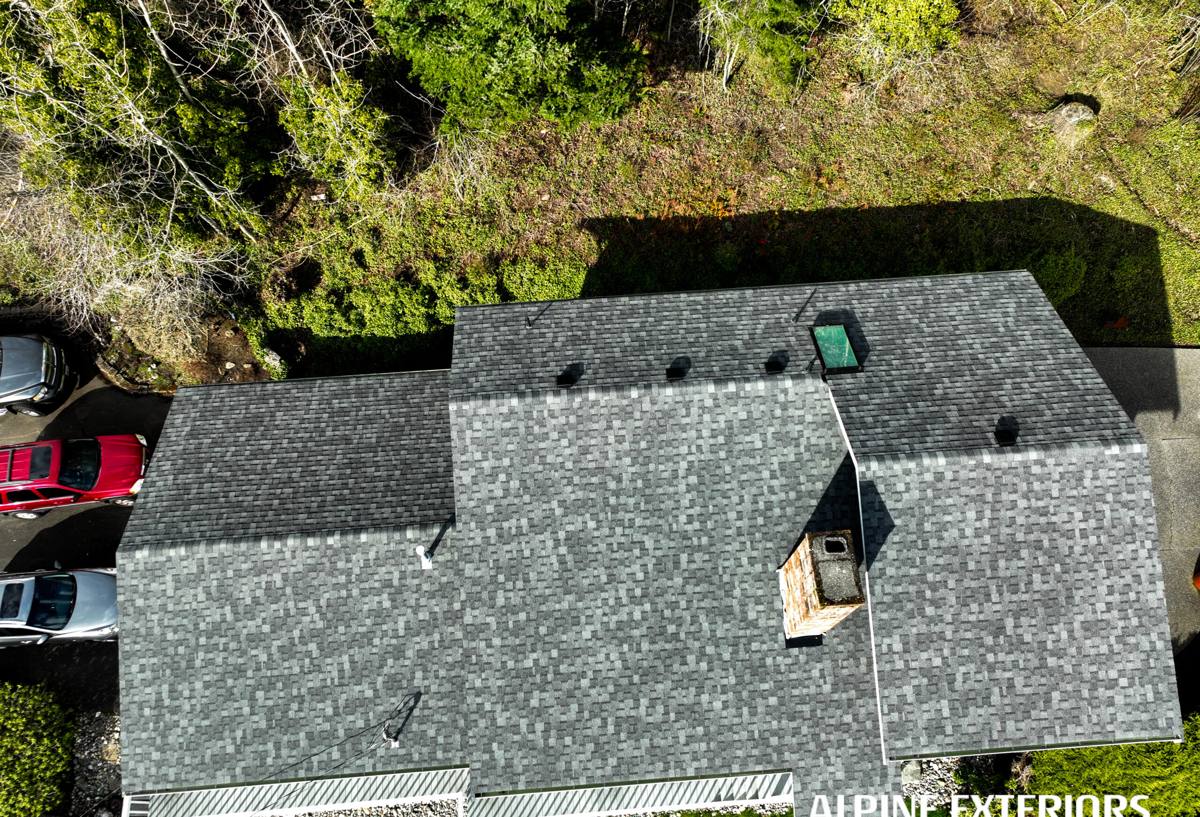
What Kenneth City's Climate Actually Does to a Roof
Most of the roofing problems we see on service calls in this area trace back to the same handful of stressors, repeated year after year:
- UV exposure: Central Florida sun bakes asphalt shingles and dries out sealants faster than in most of the country, which is why granule loss and brittle flashing show up earlier here than the manufacturer's rated lifespan would suggest.
- Wind-driven rain: It's rarely straight-down rain during a storm. Wind pushes water sideways and up under shingle edges and around penetrations, which means underlayment and flashing details matter more here than in calmer climates.
- Hurricane and tropical-storm wind loads: Pinellas County is squarely in the path of seasonal tropical systems, and every new roof installed here has to meet Florida Building Code wind requirements for this zone — not a lighter standard from somewhere inland.
- Salt air: Even a few miles from open water, airborne salt accelerates corrosion on exposed metal — fasteners, flashing, vent stacks, and drip edge — which is why material choice and metal quality matter as much as the shingle or panel itself.
- Humidity and attic moisture: Florida's humidity puts pressure on attic ventilation. A roof that isn't breathing correctly traps moisture, which shortens the life of decking and insulation from the inside out.
None of these are unique to Kenneth City, but together they define what "correct" looks like for a new roof anywhere in this part of the county — including the mostly single-story, older-stock homes common in this community.
What a Correct New Roof Installation Involves
Full Tear-Off, Not a Cover-Over
A proper new roof starts with removing the existing roofing material down to the deck. This lets us actually see the condition of the plywood or OSB underneath, catch any soft or water-damaged sections, and start the new system on a clean, sound surface. Roofing over an old layer hides problems instead of fixing them, and it's not something we do.
Deck Inspection and Repair
Any decking that's delaminated, soft, or damaged by past leaks gets replaced before anything new goes down. This is the step that determines whether the rest of the roof performs — underlayment and shingles can't compensate for a compromised deck.
Underlayment Built for Wind-Driven Rain
Given how much wind-driven rain this area sees, underlayment selection and installation matter more here than in drier, calmer climates. Correct lapping, sealing around penetrations, and coverage at vulnerable areas (valleys, eaves) are what actually keep water out during a sideways rain event, well before the shingles or panels are ever tested.
Flashing at Every Penetration
Chimneys, vent stacks, skylights, and wall-to-roof transitions are where the overwhelming majority of leaks originate — not the open field of shingles. New, properly formed and sealed flashing at every one of these points is non-negotiable on any roof we install.
Fastening and Attachment to Code
Florida Building Code sets specific nailing patterns and, depending on the product and roof geometry, may require enhanced attachment for wind resistance. In a coastal-influenced county like Pinellas, we install to the wind speed and exposure requirements that apply to this area — not a generic minimum.
Ventilation That Actually Works
Intake at the eaves and exhaust at the ridge (or through properly sized vents) need to work together as a system. Get this wrong and you trap heat and moisture in the attic, which shortens shingle life from underneath and can affect energy bills.
Roofing Material Options for This Area
There's no single "best" roofing material — the right choice depends on budget, how long you plan to stay in the home, and how much long-term maintenance you want to take on. Here's how the common options compare for a coastal Pinellas County climate like Kenneth City's:
| Material | How It Handles This Climate | Maintenance | Typical Lifespan Here |
|---|---|---|---|
| Architectural asphalt shingle | Good wind rating when properly fastened; UV and heat gradually reduce granules over time | Low to moderate | Roughly 15–25 years depending on product and exposure |
| Standing seam metal | Strong wind performance, sheds heat well, handles wind-driven rain very effectively | Low | Often 30–50 years with proper coastal-rated fasteners |
| Concrete or clay tile | Excellent UV and wind resistance when correctly installed; heavier system requires adequate structure | Low, but repairs require care | Often 30+ years, longer for the tile itself |
| 3-tab asphalt shingle | More affordable upfront, but lower wind rating and shorter service life than architectural shingles | Moderate | Shorter than architectural shingles; earlier replacement is common |
We'll walk through which of these fits your home, your roof's pitch and structure, and your budget honestly — including the trade-offs, not just the upside.
What Drives the Cost of a New Roof
Every roof is different, so we don't quote sight unseen — but these are the factors that actually move the price:
| Factor | Why It Matters |
|---|---|
| Roof size and square footage | More material and labor, straightforward scaling |
| Roof pitch and complexity | Steeper roofs and more valleys, hips, or dormers take more time and materials to flash correctly |
| Number of layers to remove | Tear-off labor increases with each existing layer |
| Deck condition | Rotted or damaged decking found during tear-off adds replacement cost |
| Material chosen | Asphalt, metal, and tile carry different material and labor costs |
| Ventilation and flashing upgrades | Bringing an older roof's ventilation and flashing up to current standards adds scope but improves performance |
| Permit and code requirements | Wind-rating and attachment requirements in this county affect labor and material specs |
We give a written estimate after seeing the actual roof, not a phone-quote guess — Kenneth City roofs vary enough in age and condition that a fair number has to be specific to your house.
Our Process, Start to Finish
- On-site inspection. We walk the roof and attic, check the deck where accessible, and note the roof's age, pitch, penetrations, and any existing damage.
- Written estimate and material options. You get a clear scope of work and a straightforward comparison of material choices, with honest trade-offs explained.
- Permitting. New roof installations require a permit through the applicable local building department, and inspections are part of that process. We handle this so you don't have to chase paperwork.
- Tear-off and deck inspection. Old roofing comes off, the deck is inspected, and any needed repairs are addressed before anything new goes on.
- Underlayment, flashing, and material installation. Installed to Florida Building Code requirements for this wind zone, with attention to every penetration and transition point.
- Cleanup and magnetic sweep. Job site and yard are cleared of debris and old material, including a pass for stray nails.
- Final walkthrough and inspection sign-off. We review the finished roof with you and make sure required inspections are closed out.
Signs a Kenneth City Home May Need a New Roof
Not every roof problem means a full replacement, but these are the signs worth having checked before they turn into interior damage:
- Shingles that are curling, cracking, or losing noticeable amounts of granules
- Visible sagging anywhere on the roof deck
- Daylight visible through the roof boards from inside the attic
- Frequent granule buildup in gutters
- Water stains on interior ceilings or in the attic after heavy rain
- A roof approaching or past the upper end of its expected lifespan for its material
- Rising insurance premiums or a carrier flagging roof age or condition
- Missing, lifted, or damaged shingles after a storm
Permits, Wind Mitigation, and Insurance
A new roof in Pinellas County has to go through the local building permit and inspection process — this isn't optional and it protects you as the homeowner, since it confirms the work meets current wind and construction standards. Once the roof is finished and inspected, it's also worth getting a wind mitigation inspection done. Many insurers offer meaningful discounts for roofs with modern attachment methods, hip roof geometry, and proper strapping, and a fresh roof is often the best time to capture those savings. We can point you toward what documentation is generated during installation that supports that inspection.
Why a Local Largo Crew Matters for Kenneth City
Kenneth City is a small community, and a roofing crew that regularly works this area and the surrounding Largo neighborhoods understands the practical realities that come with it — the age and construction style common to homes here, how the local permitting process runs, and what this stretch of Pinellas County actually experiences during a rough storm season versus what a national franchise assumes from a script written for a different climate. Being local also means we're reachable after the installation is done, not just during the sales process — if a question comes up during the next storm season, you're calling a crew that already knows your roof and your street, not starting over with a call center.
We're not the cheapest way to cover a roof, and we won't pretend otherwise — but we build every new roof to hold up against what this specific area throws at it, not a lighter standard from somewhere with calmer weather.
Questions to Ask Any Roofer Before You Sign
- Are you licensed to work in Florida, and can you provide proof of insurance?
- Will the job include a full tear-off, or is this a cover-over?
- Who pulls the permit, and who handles the required inspections?
- What underlayment and fastening method will be used, and does it meet the wind requirements for this area?
- What's the manufacturer's warranty, and what's covered under your workmanship warranty?
- How is decking damage, if found, communicated and priced before repairs proceed?
If you're weighing a new roof for a home in Kenneth City, we're happy to take a look and give you a straight answer about condition, options, and cost — no pressure, no scare tactics. Fill out the form below for a free, no-obligation estimate.