 Largo Siding
 Roofing in Belleair Bluffs Isn't a Generic Job
Belleair Bluffs sits close to the Intracoastal Waterway on Pinellas County's barrier-island side, which means the roofs here take on more punishment than a typical inland Florida home. Salt-laden air moves in off the water and works on exposed metal year-round. Summer sun bakes shingles from above nearly every day of the year. And when a tropical system or a strong summer thunderstorm rolls through, the wind doesn't just blow past the roof — it drives rain sideways under edges, lifts at eaves and rakes, and finds every weak seam. A new roof installed here needs to be built for that combination, not just installed to a generic spec.
As a Largo-based crew, we work in Belleair Bluffs and the surrounding Pinellas County communities regularly. This page walks through what a correct new roof installation looks like for a home in this specific area — what the climate demands, what the work actually involves, and what to look for in the contractor doing it.
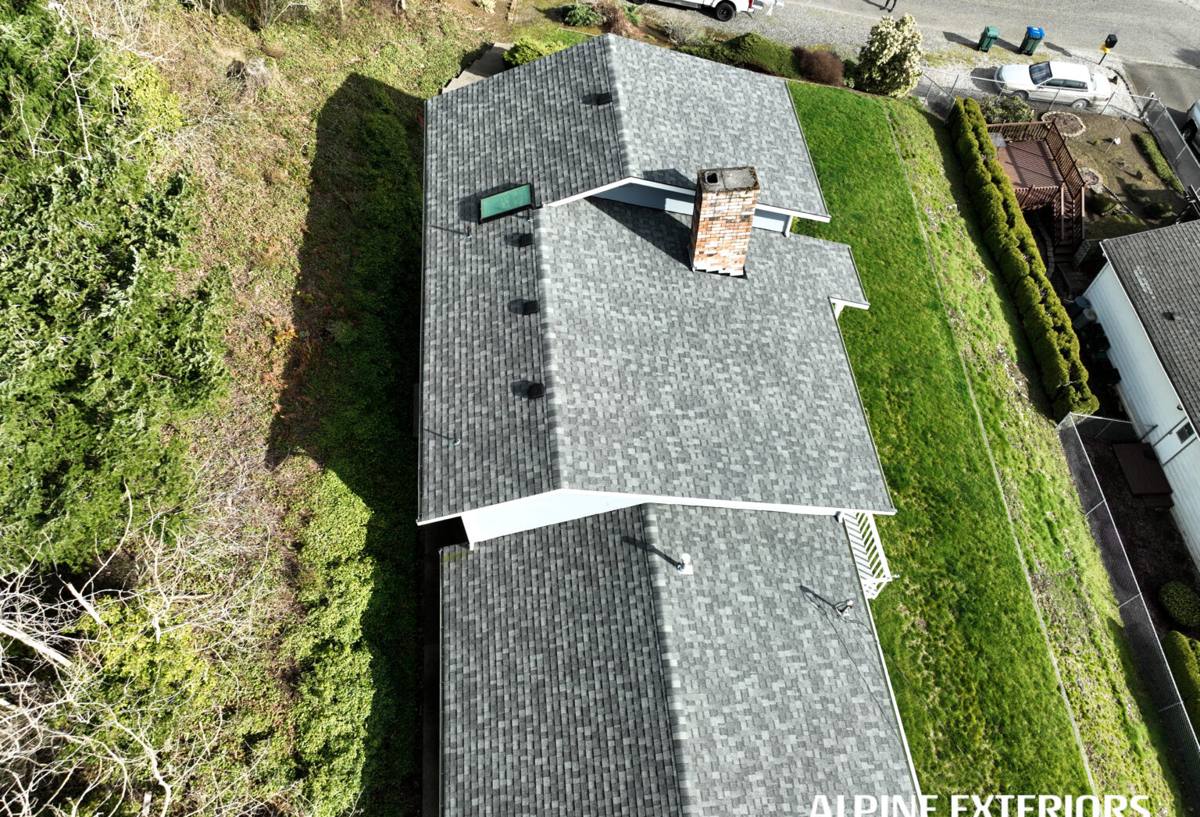
What This Climate Does to a Roof Over Time
Wind
Pinellas County's location on a peninsula means every hurricane season brings the possibility of sustained high winds and gusts well above what most of the country designs for. Roofs here need fastening patterns, underlayment, and edge details engineered for wind uplift — not just wind resistance on paper, but installation that actually achieves it.
UV Exposure
Florida sun is intense and consistent nearly twelve months a year. Asphalt shingles lose oils and granules faster here than in cooler climates, which is why manufacturer warranties often carry regional adjustments for Florida installations. A roof that would last 25+ years up north may realistically deliver a shorter service life here if the wrong product or a poor install shortens it further.
Wind-Driven Rain
It isn't just how hard it rains — it's the angle. Wind-driven rain pushes water sideways and upward under shingle tabs, around flashing, and into any gap an inland roof could get away with ignoring. Sealed-deck practices and correctly lapped underlayment matter more here than in drier, calmer climates.
Salt Air
Being close to the water means airborne salt accelerates corrosion on exposed fasteners, flashing, and metal roofing panels. Material selection and fastener grade should account for that proximity, not treat every part of Pinellas County the same.
Signs You Need a New Roof, Not Another Repair
Not every roof problem calls for full replacement — but there's a point where patching stops making financial sense. Common signs it's time for a new roof rather than another repair visit:
- Shingles that are curling, cupping, or losing granules across large areas, not just one spot
- Multiple leaks in different locations, rather than one isolated failure point
- Visible sagging in the roof deck, which points to underlying structural or moisture damage
- A roof approaching or past the manufacturer's expected service life for this climate
- Storm damage significant enough that insurance is more likely to approve full replacement than a patch
- Repeated repair costs that, added up, start approaching a meaningful share of replacement cost
A straightforward inspection can usually tell you which category your roof falls into. We'll always tell you honestly if repair is the smarter option — replacement isn't automatically the right call just because a roof is old.
What a Correct New Roof Installation Actually Involves
A new roof is more than laying down fresh shingles or panels over what's already there. Done correctly, the work includes several layers that most homeowners never see once the job is finished, but that determine how the roof performs in the next storm.
Full Tear-Off, Not Overlay
We remove the existing roofing down to the deck rather than installing over old layers. Overlaying hides existing deck damage, adds unnecessary weight, and voids most manufacturer warranties — it's a shortcut, not a standard.
Deck Inspection and Repair
Once the old roofing is off, the deck gets inspected for soft spots, rot, or delamination, particularly around old penetrations and low-slope areas where water tends to collect. Any compromised sheathing gets replaced before anything new goes down — a new roof over a bad deck is a new roof with a short remaining life.
Underlayment and Sealed-Deck Detailing
Given how much wind-driven rain this area sees, underlayment choice and lap direction matter. Synthetic underlayments generally hold up better than old-style felt under Florida heat and humidity, and correct sealing at seams, valleys, and penetrations is what actually keeps water out if a shingle or panel is ever compromised in a storm.
Flashing at Every Transition
Chimneys, skylights, sidewalls, and valleys are where most roof leaks actually originate — not the open field of shingles. New, correctly formed and sealed flashing at every one of these transitions is non-negotiable on a proper installation.
Ventilation
Proper intake (soffit) and exhaust (ridge or other) ventilation keeps attic temperatures and moisture in check. Under-ventilated attics run hotter, which shortens shingle life, and trap moisture, which invites rot — both accelerated by Florida's heat and humidity.
Wind-Rated Fastening
Nailing pattern and fastener count aren't just code minimums to satisfy an inspector — they're what keeps the roof attached during high wind events. This is an area where corners are easy to cut and hard to see once the job is done, which is exactly why it should never be treated as optional.
Roofing Material Options for a Belleair Bluffs Home
There's no single "best" roofing material for every home — the right choice depends on your budget, your home's style, and how much long-term maintenance you want to take on. Here's an honest comparison for this specific coastal environment:
| Material | Typical Lifespan Here | Wind/Storm Performance | Coastal Considerations |
|---|---|---|---|
| Architectural asphalt shingle | 18-25 years | Good, when installed with correct wind-rated fastening | Most affordable upfront; UV and salt exposure shorten life versus inland installs |
| 3-tab asphalt shingle | 12-18 years | Lower wind rating than architectural shingles | Lowest upfront cost, but generally not our recommendation this close to the water |
| Standing seam metal | 40+ years | Excellent when properly installed and fastened | Requires marine-grade or coated fasteners and trim to resist salt corrosion |
| Concrete or clay tile | 40-50+ years | Very good, but individual tiles can dislodge in extreme wind if not properly secured | Heavier — deck and structure must be rated to carry the load |
We'll walk through these trade-offs during your estimate based on your home's existing structure, your budget, and how long you plan to own the property.
Our New Roof Installation Process
Here's what to expect when you work with us on a new roof in Belleair Bluffs:
- Inspection and estimate. We assess the current roof, deck condition, and any problem areas, and give you a clear written estimate — no pressure, no vague pricing.
- Material selection. We go over options that fit your budget and this climate, including realistic expectations for lifespan and maintenance.
- Permitting. We handle the permit application with the appropriate local jurisdiction, so the job is inspected and documented correctly from the start.
- Tear-off and deck inspection. Old roofing comes off completely; any damaged decking is identified and repaired before installation begins.
- Installation. Underlayment, flashing, ventilation components, and the roofing material go on in the correct sequence, with fastening to wind-rated specifications.
- Final inspection and cleanup. The job is inspected, the site is cleared of debris and nails, and we walk the property with you before calling it done.
- Paperwork. You get your warranty documentation and, where applicable, the wind mitigation paperwork your insurance company will want.
Permits, Wind Codes, and Insurance in Pinellas County
New roof installations in Pinellas County require a permit, and the work has to meet current Florida Building Code wind-resistance requirements for this region — coastal areas like Belleair Bluffs are designed to higher wind-speed standards than many inland parts of the state, and your specific permit will spell out the exact requirements for your address. A licensed contractor pulls the permit, schedules the required inspections, and provides the completion documentation the county requires.
It's also worth asking your contractor about a wind mitigation inspection once the new roof is in. Many insurance carriers offer premium discounts for verified wind-resistant features — proper roof-to-wall connections, secondary water barriers, and impact-rated components can all factor in. It's a relatively small step that can meaningfully offset your insurance costs over time.
What to Ask Before You Sign a Roofing Contract
Roofing has more than its share of storm-chasing outfits that show up after a hurricane and disappear once the check clears. A few questions before you sign anything:
- Are you licensed to do roofing work in Florida, and can you provide your license number?
- Do you carry general liability and workers' compensation insurance, and can I see certificates?
- Will you pull the permit yourself, or is that left to me?
- What's in writing regarding materials, warranty terms, and the manufacturer's wind rating?
- Do you have an established local address and a track record of jobs in this area?
- What does the estimate include — tear-off, deck repair, disposal — and what could add to the cost?
A contractor who answers these plainly, without hedging, is generally the one worth hiring.
Why a Local Largo Crew Matters for Belleair Bluffs
Belleair Bluffs is a small community, and roofing work here comes with details that an out-of-area crew won't necessarily know going in — HOA or deed-restriction expectations on roof color and material, tight lots and narrow streets that affect how a crew stages equipment and dumpsters, and mature tree canopy that shapes how debris removal and access get planned. A crew that already works this area day to day has already solved those logistics on other jobs nearby, which means less friction and fewer surprises on yours.
Being based in Largo also means we're not disappearing after the invoice clears. If a question comes up during the next storm season, or a warranty issue needs attention years down the road, we're still local and reachable — not a name from a truck that worked the coast for one storm cycle and moved on.
After Your New Roof Is Installed
A new roof still needs basic upkeep to hit its expected lifespan in this climate. Keep gutters and downspouts clear so water isn't backing up at the eaves. After any significant storm, a quick visual check — from the ground, not the roof — for missing shingles, dislodged flashing, or debris buildup is worth the five minutes. And if you ever notice a stain on an interior ceiling or unusual granule buildup in a gutter, it's worth a call before it becomes a bigger repair. A properly installed roof shouldn't need much, but "shouldn't need much" isn't the same as "never check it."
If you're weighing repair versus replacement, or you're ready to get your Belleair Bluffs home under a roof built for what this coast actually throws at it, we're happy to come take a look. The estimate is free, there's no pressure, and you'll get a straight answer about what your roof actually needs — just fill out the form below to get started.